




Best way to keep fresh herbs vibrant for photo-worthy dishes?

The Secret to Picture-Perfect Plates: Vibrant Herbs
In the world of culinary artistry, the visual appeal of a dish is almost as important as its taste. And few elements contribute more to a dish’s vibrancy and freshness than perfectly preserved, bright green herbs. Whether you’re a home cook aspiring to magazine-worthy meals or a content creator snapping stunning food photos, keeping your fresh herbs looking their best is a non-negotiable step. Wilty, browning herbs can detract from even the most delicious creations, leaving your plate looking lackluster and uninspired.

Understanding Your Herbs: Tender vs. Hardy
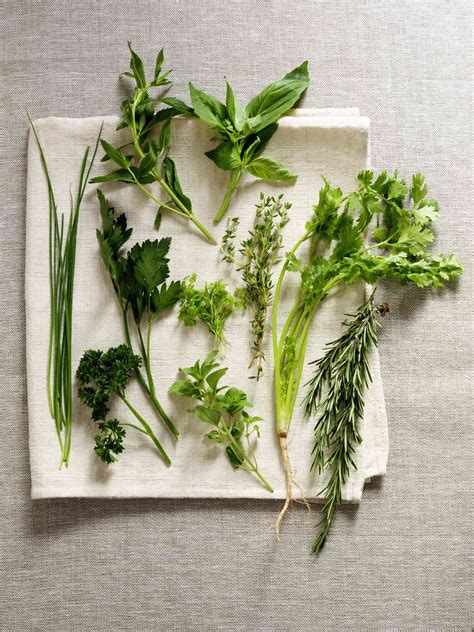
Not all herbs are created equal, and their diverse needs dictate different storage strategies. Generally, herbs fall into two categories:
- Tender Herbs: These include basil, cilantro, parsley, dill, mint, and tarragon. They have soft stems and delicate leaves that wilt quickly.
- Hardy Herbs: Rosemary, thyme, oregano, sage, and chives are examples of hardy herbs. They possess tougher, woody stems and more robust leaves, making them slightly more resilient.
Understanding these distinctions is the first step toward effective preservation.
Best Storage Practices for Tender Herbs
For tender herbs, the goal is to provide hydration without drowning them. Think of them as cut flowers:
- Trim & Hydrate: Upon bringing them home, trim about an inch off the bottom of the stems. Remove any lower leaves that would sit below the waterline.
- Water Bath Method: Place the herbs stem-down in a glass or jar filled with an inch or two of fresh water.
- Cover & Refrigerate: Loosely cover the herbs and jar with a plastic bag (a produce bag works perfectly) and place them in the refrigerator. Change the water every day or two. This method can keep herbs like parsley, cilantro, and mint vibrant for up to two weeks. Basil, however, prefers room temperature in a similar water bath, away from direct sunlight, as it’s susceptible to chilling damage.

Optimal Storage for Hardy Herbs
Hardy herbs prefer a slightly different approach, focusing on moisture retention and protection from air exposure:
- Wash & Dry Thoroughly: Rinse the herbs gently under cold water, then dry them meticulously. Excess moisture can lead to rot. A salad spinner is excellent for this, or pat them dry with paper towels.
- Paper Towel Wrap: Lay the dry herbs flat on a slightly damp paper towel. Roll them up gently.
- Airtight Container: Place the wrapped herbs inside an airtight container or a resealable plastic bag. Store them in the crisper drawer of your refrigerator. This method can keep rosemary, thyme, and sage fresh for 2-3 weeks.

Advanced Techniques: Freezing for Future Use
If you have an abundance of herbs or want to preserve them for longer, freezing is an excellent option, especially for herbs destined for cooked dishes:
- Herb Ice Cubes: Finely chop your herbs (parsley, cilantro, chives, oregano work well). Pack them into ice cube trays, then top with olive oil or water. Freeze until solid, then transfer the cubes to a freezer-safe bag. Pop one out whenever you need a burst of fresh flavor in soups, stews, or sauces.
- Blanched & Frozen: For herbs like basil or parsley, you can briefly blanch them, shock them in ice water, dry thoroughly, and then freeze them in a single layer before transferring to a bag. This helps retain color and flavor.
While frozen herbs are fantastic for flavor, they often lose their structural integrity and vibrant appearance, making them less ideal for garnishes where visual appeal is key. Save your fresh, carefully stored herbs for those photo-worthy finishing touches.
The Final Touch: Plating with Panache
Even with perfectly stored herbs, improper handling at the last minute can ruin their vibrant look. Here are tips for a flawless finish:
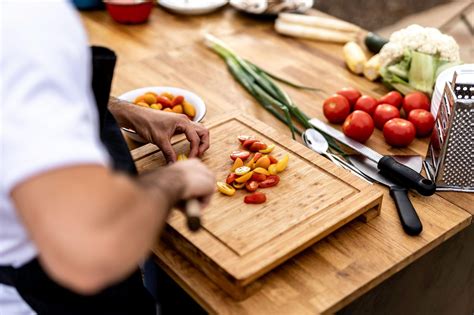
- Chop Just Before Serving: Chop or snip herbs only right before you’re ready to plate. Exposure to air causes oxidation, leading to discoloration.
- Gentle Handling: Handle herbs minimally. Use sharp knives or kitchen shears to make clean cuts, avoiding bruising.
- Less is More: Sometimes, a few perfectly placed, vibrant sprigs or a sprinkle of finely chopped herbs is more impactful than an overwhelming amount.
By implementing these storage and handling techniques, you’ll ensure your fresh herbs remain as visually appealing as they are flavorful, turning every dish into a photo-worthy masterpiece. Enjoy the process of creating and capturing culinary beauty!