



Visual meal prep hacks: How to store fresh produce for peak flavor all week?

Eating fresh, vibrant produce is a cornerstone of healthy meal prep. But the struggle is real: how do you keep your fruits and vegetables tasting peak-fresh for an entire week? The secret lies in understanding their unique needs and employing smart visual storage hacks that not only preserve flavor and nutrients but also make your fridge a beacon of organized freshness.
Understanding Your Produce’s Preferences
Not all produce is created equal when it comes to storage. Some thrive in cool, dark environments, while others prefer the crisp embrace of your refrigerator. Understanding these fundamental preferences is the first step to becoming a produce preservation pro. Factors like moisture, temperature, and even the presence of other fruits (ethylene gas emitters) can drastically impact shelf life.

Leafy Greens: The Moisture Balance Act
Leafy greens like spinach, kale, and lettuce are notorious for wilting quickly. The key here is moisture management. Wash them thoroughly, then dry them completely using a salad spinner or paper towels. Store them in airtight containers lined with a dry paper towel to absorb excess moisture, changing the towel if it becomes damp. This creates a slightly humid, yet not soggy, environment that keeps them crisp for days.

Herbs: The Bouquet Method
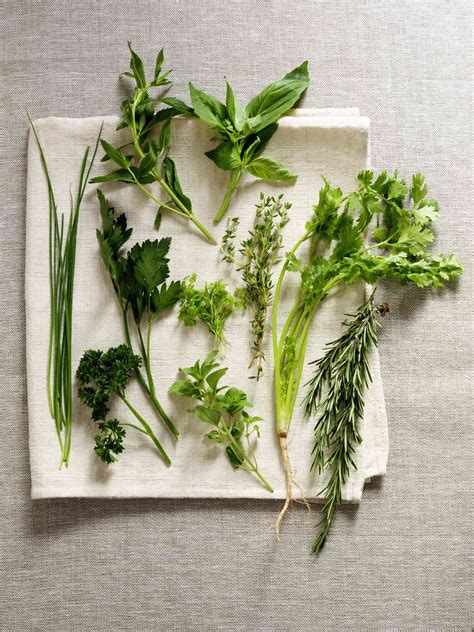
Fragile herbs like cilantro, parsley, and dill benefit from being treated like fresh flowers. Trim the bottoms of the stems and place them upright in a jar with a couple of inches of water. Cover loosely with a plastic bag (or an inverted jar) and refrigerate. Basil, however, prefers room temperature and should also be stored in water, but kept on your counter away from direct sunlight. This visual method keeps them vibrant and accessible.
Berries: The Vinegar Rinse & Airflow Strategy
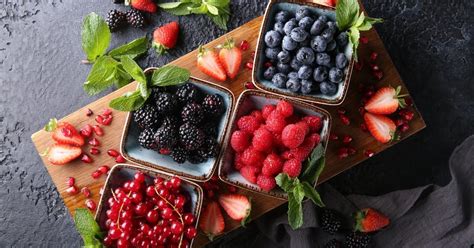
Berries are delicate and prone to mold. A quick vinegar rinse can work wonders. Mix a ratio of 1 part white vinegar to 3 parts water, quickly dip your berries, then rinse thoroughly with plain water. Pat them dry gently, and store them in a single layer in a breathable container (like one with ventilation holes) lined with a paper towel. The vinegar helps inhibit mold growth, and proper airflow prevents sogginess.
Root Vegetables & Sturdy Produce: Hydration & Separation
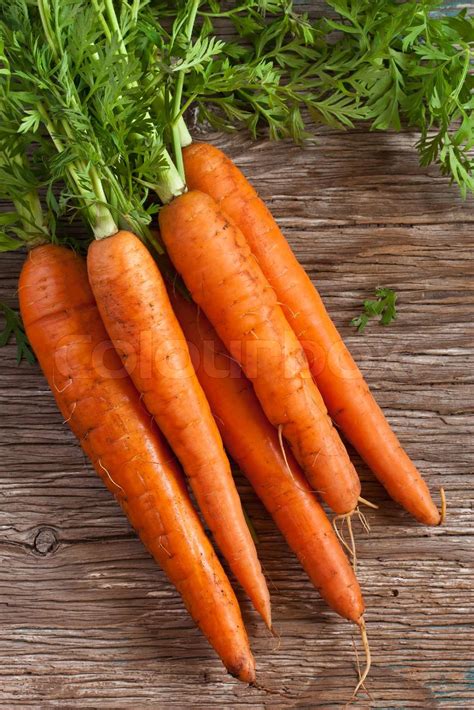
Carrots, celery, and radishes love hydration. Trim off any greens (which draw moisture) and store them submerged in water in an airtight container in the fridge. For hardier vegetables like bell peppers or cucumbers, simply wash, dry, and store them in the crisper drawer. Keep apples, bananas, and tomatoes separate from other produce, especially delicate greens, as they emit ethylene gas which can accelerate ripening and spoilage in other items.
The Visual Appeal: Organization for Success
Beyond specific storage methods, the visual organization of your fridge plays a massive role in successful meal prep. Clear containers allow you to see exactly what you have, reducing forgotten produce and food waste. Group similar items together, and consider labeling containers with the date of storage. A well-organized, visually appealing fridge encourages you to use what you have and stay consistent with your healthy eating goals.

Conclusion
Mastering produce storage is a game-changer for meal preppers. By applying these visual hacks – from bouquet-like herbs to perfectly stacked greens – you’ll not only extend the life of your fresh ingredients but also ensure your meals are bursting with flavor and nutrients all week long. Say goodbye to sad, wilted veggies and hello to a vibrant, efficient kitchen!