



Secrets to perfectly seared, photo-ready proteins?

Achieving that coveted deep brown crust on your favorite protein isn’t just about flavor; it’s about creating a visual masterpiece that begs to be photographed. Whether it’s a succulent steak, a flaky fish fillet, or perfectly crisped chicken skin, a masterful sear elevates the dish from good to gourmet. But what are the precise steps to consistently achieve that irresistible exterior while maintaining a juicy interior, all while making it look like it belongs on the cover of a food magazine?
The Foundation: Quality, Prep, and Pan Selection
The journey to a perfect sear begins long before the protein hits the heat. Start with high-quality ingredients – fresh, well-marbled cuts for meat, and firm, fresh fillets for fish. Crucially, your protein must be as dry as possible. Moisture creates steam, which hinders the Maillard reaction responsible for browning. Pat it rigorously with paper towels, or even let it air-dry in the fridge for an hour or two. Season generously and just before cooking.
Equally important is your equipment. A heavy-bottomed pan, such as cast iron or stainless steel, is non-negotiable. These pans retain heat exceptionally well, providing the consistent, high temperature needed for a proper sear. Avoid non-stick pans, as they generally don’t get hot enough and can degrade at high temperatures.

The Right Heat: Oil, Temperature, and Timing
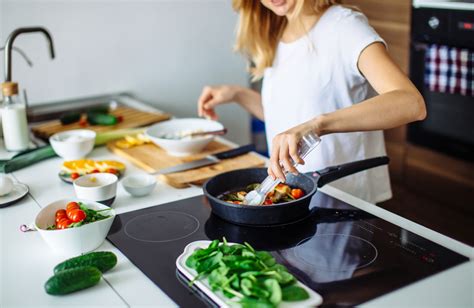
Once your protein is prepped and seasoned, it’s time to talk heat. Choose an oil with a high smoke point, like grapeseed, canola, or avocado oil. Olive oil’s smoke point is too low for effective searing. Add just enough oil to lightly coat the bottom of your pan – a tablespoon or two, depending on the size of your protein. Place the pan over medium-high to high heat and allow it to preheat until the oil just begins to shimmer and perhaps slightly smoke. This indicates it’s hot enough.
Carefully place your protein into the hot pan. Do not overcrowd the pan; if you’re cooking multiple pieces, sear them in batches. Overcrowding drops the pan’s temperature and leads to steaming rather than searing. Lay the protein away from you to avoid splashes.
The Maillard Magic: Patience and Precision
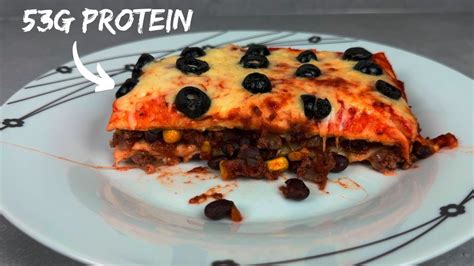
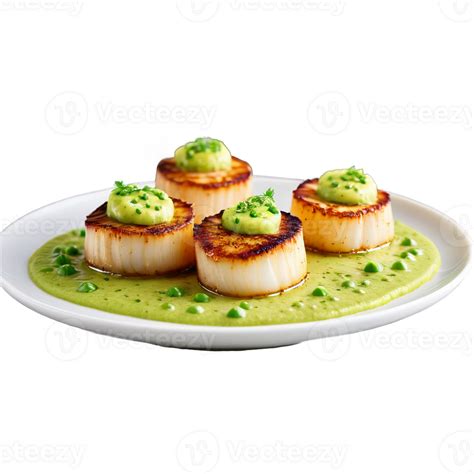
Now comes the hardest part for many home cooks: patience. Once the protein is in the pan, resist the urge to move it. Let it cook undisturbed. The goal is to allow the Maillard reaction to occur, developing that beautiful golden-brown crust. For most proteins, this will take 3-5 minutes per side, but timing varies based on thickness and desired doneness. You’ll know it’s ready to flip when it easily releases from the pan without sticking and has formed a deep, even crust.
Flip only once. Continue cooking on the second side until a similar crust forms and the protein reaches your desired internal temperature. For thicker cuts, you might finish them in a preheated oven after searing, which helps achieve even cooking without over-browning the exterior.
Resting and Basting: The Final Flavor Boost
After searing, it’s absolutely crucial to let your protein rest. Transfer it to a cutting board or wire rack and tent loosely with foil. This allows the juices to redistribute throughout the meat, resulting in a more tender and succulent bite. For most proteins, a rest of 5-10 minutes is sufficient.
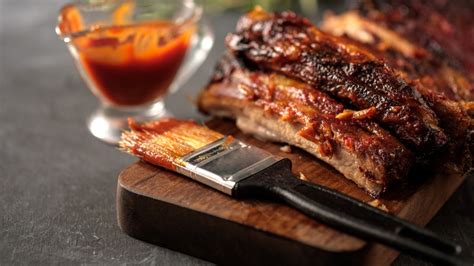
During the last minute or two of searing, or during the rest, you can also introduce basting. Add a knob of butter, some fresh herbs (like thyme or rosemary), and smashed garlic cloves to the pan. Tilt the pan slightly and continuously spoon the flavored butter over the protein. This adds incredible depth of flavor and a glossy sheen, perfect for photography.
Picture Perfect: Plating for the Lens
Finally, to make your perfectly seared protein photo-ready, presentation is key. Slice against the grain if it’s a larger cut, revealing that beautiful, juicy interior. Arrange thoughtfully on a plate, perhaps with a simple, contrasting garnish like fresh herbs, a vibrant sauce, or a sprinkle of flaky sea salt. Use natural light whenever possible, and keep your background clean and uncluttered. Remember, sometimes less is more when it comes to visual appeal.
With these secrets in your culinary arsenal, you’re not just cooking; you’re crafting edible art. Get ready for delicious results and plenty of compliments, both on taste and presentation.