



What’s the secret to plating dishes beautifully for amazing food photography?

Elevating Your Dish from Plate to Pixel
In the age of Instagram and culinary blogs, a dish’s visual appeal is almost as important as its taste. For food photographers, beautiful plating isn’t just a nicety; it’s the bedrock of a successful shot. It’s about transforming ingredients into a feast for the eyes, telling a story, and making viewers crave what they see. But what precisely is the ‘secret sauce’ to achieving this level of culinary artistry?
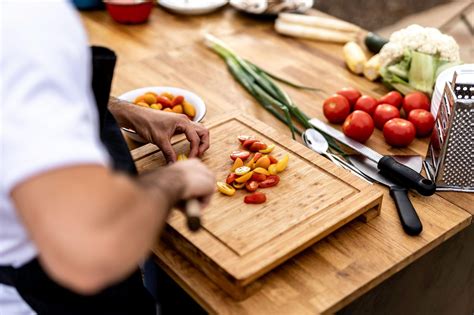
The truth is, there’s no single secret, but rather a collection of fundamental principles and techniques that, when applied thoughtfully, elevate your food presentation from ordinary to extraordinary. It begins long before the camera shutter clicks, right at the preparation stage in your kitchen.
The Foundation: Choosing Your Canvas Wisely
Your plate is more than just a holder for food; it’s the canvas upon which your edible art will be displayed. The right plate can complement your dish, making colors pop and textures stand out, while the wrong one can detract. Opt for neutral colors like white, cream, or slate grey, as they provide a clean backdrop that allows the food to be the star. Consider the shape and size; a wide rim offers negative space for composition, and an appropriate size prevents the dish from looking either sparse or overcrowded.
Building Blocks: Structure, Height, and Focus
Think three-dimensionally. Flat food rarely photographs well. Introduce height and structure by layering ingredients, stacking, or creating intentional mounds. This adds depth and interest. Identify a focal point – often the hero ingredient – and arrange other elements around it to draw the eye. Using rings or molds can help create clean, professional shapes for starches or purees.
The Palette: Color and Contrast
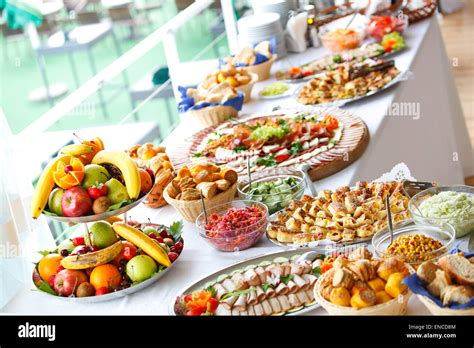
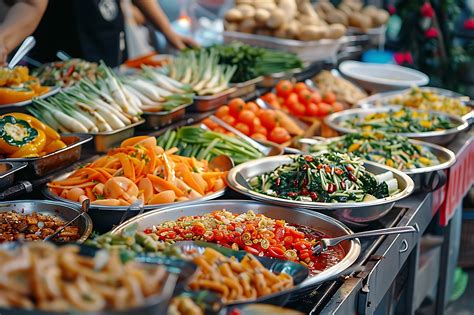
Color is arguably the most powerful tool in your plating arsenal. Aim for a vibrant, diverse palette. If your main ingredient is monochromatic (e.g., a brown stew), introduce contrasting colors through garnishes like fresh herbs, vibrant purees, or colorful vegetables. Red bell peppers, green onions, orange carrots, and yellow lemon zest can add visual excitement. Use complementary colors to create dynamic shots, or analogous colors for a harmonious feel.
Texture: Adding Visual Interest
A variety of textures isn’t just good for the palate; it’s excellent for the lens. Combine soft elements with crunchy ones, smooth with rough, and moist with dry. Think about a creamy risotto topped with crispy fried sage, or a tender steak alongside charred asparagus. These textural contrasts create depth and make the dish look more appealing and intriguing.
The Finishing Touches: Garnish and Sauce Artistry
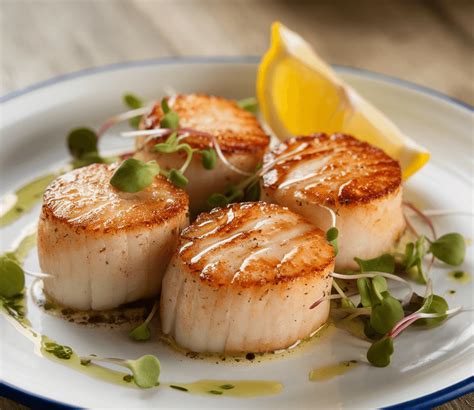
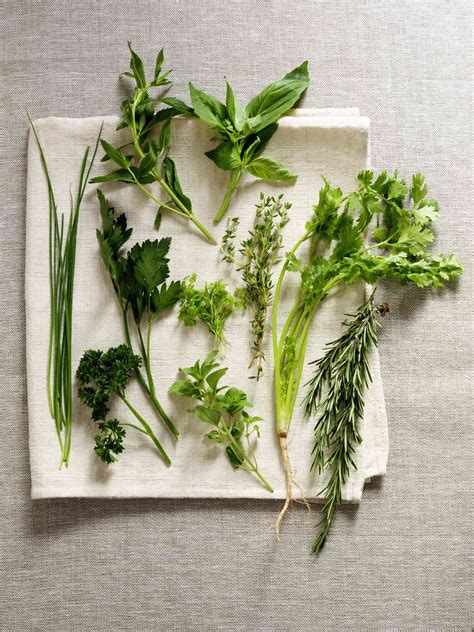
Garnish isn’t just for show; it’s the final flourish that elevates a dish. Fresh herbs (parsley, cilantro, dill), microgreens, edible flowers, a sprinkle of spices, or a dusting of powdered sugar can add freshness, color, and elegance. When it comes to sauces, think of them as paint. Drizzle strategically, create deliberate swipes, or use dots to guide the eye. A well-placed reduction or vibrant coulis can tie all the elements together and add a professional touch.

Composition: Telling a Story with Your Plate
Ultimately, plating for photography is about composition. The ‘Rule of Thirds’ is a classic guideline: imagine dividing your plate into nine equal sections with two horizontal and two vertical lines, and place key elements along these lines or at their intersections. Embrace negative space; don’t feel the need to fill every inch of the plate. Consider leading lines, symmetry or asymmetry, and the overall balance of the dish. Each element should have a purpose and contribute to the visual narrative.

Practice Makes Perfect
Like any art form, mastering beautiful plating for food photography takes practice. Experiment with different ingredients, plate styles, and arrangements. Study the work of professional food stylists and photographers. Pay attention to how light interacts with your plated elements. With patience, observation, and a dash of creativity, you’ll soon be transforming your culinary creations into stunning visual masterpieces, ready for their close-up.