




How can Visual Bites best convey a recipe’s authentic taste to Real Foodies?

In the digital age, where culinary inspiration often begins with a scroll, “Visual Bites”—food photography and videography—bear the significant responsibility of not just presenting a dish, but truly conveying its essence. For Real Foodies, those discerning individuals who seek depth, authenticity, and a genuine connection to their food, a pretty picture isn’t enough. The challenge lies in translating the intangible experience of taste, aroma, and texture into a compelling visual narrative that resonates with their sophisticated palate.
Understanding the Real Foodie’s Palate
Real Foodies are connoisseurs of authenticity. They aren’t swayed by mere aesthetics; instead, they crave a deeper understanding of a recipe’s heritage, its ingredients’ provenance, and the craftsmanship involved in its creation. To truly capture their attention, Visual Bites must speak to their innate desire for transparency and truth, showcasing not just the final plated masterpiece, but the story that leads to it.
They look for clues that hint at homemade goodness, traditional techniques, and the genuine joy of cooking. This means moving beyond highly stylized, often artificial, perfection to embrace the rustic, the handmade, and the true character of the food.

The Power of Sensory Storytelling
Taste is a multi-sensory experience, and while Visual Bites primarily engage sight, they can cleverly allude to other senses. Consider the glistening fat on a perfectly seared steak, suggesting succulence, or the steam rising from a bowl of hearty soup, implying warmth and comfort. Textural cues—crisp crusts, tender interiors, gooey centers—are paramount.
High-definition visuals can highlight the granular details of spices, the marbling of meat, or the delicate layers of a pastry. Dynamic video content, even without sound, can capture the sizzle, the pour, or the gentle bubbling of a sauce, engaging the viewer’s imagination to “hear” and “smell” the dish.
Beyond the Plating: Showcasing Process and Ingredients
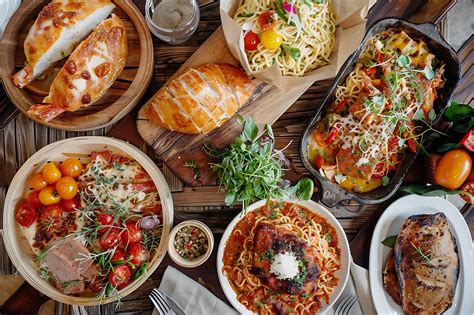
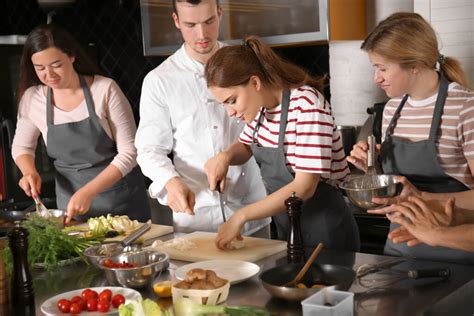
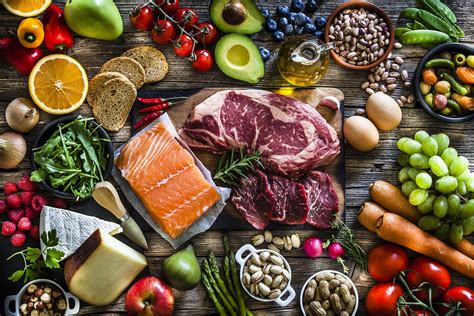
Authenticity for a Real Foodie often stems from the journey, not just the destination. Visual Bites can elevate a recipe by showcasing the quality of raw ingredients – vibrant vegetables, fresh herbs, ethically sourced proteins. A glimpse into the preparation process, from chopping and mixing to kneading and baking, builds trust and demonstrates the recipe’s integrity.
Highlighting traditional tools, handmade elements, or even the subtle imperfections that speak of genuine human effort, helps to convey the “realness” of the food. These visual cues assure Real Foodies that the dish isn’t just a pretty facade, but a labor of love.
Context and Culture: The Narrative Behind the Dish
Every authentic recipe has a story – a cultural heritage, a family tradition, or a regional specialty. Visual Bites can effectively communicate this narrative by incorporating contextual elements. Imagine a rustic background for a farmhouse dish, or traditional pottery for an ethnic recipe. These details immerse the viewer in the dish’s origin.
Showcasing the dish in its intended setting – a family dinner, a bustling market, or a serene picnic – further enriches the story and emphasizes its authentic purpose. This storytelling aspect connects the food to its roots, a vital element for Real Foodies who appreciate depth and meaning.

Interactive and Immersive Experiences
The evolution of Visual Bites points towards more interactive and immersive experiences. High-quality food videography, with its ability to capture movement, sound, and the progression of a recipe, is incredibly powerful. Short, engaging videos that demonstrate key techniques or the final moments of preparation can be far more convincing than static images alone.
Emerging technologies like 360-degree views, virtual reality tours of kitchens or farms, and augmented reality overlays that provide ingredient information or cooking tips, could offer unprecedented ways to engage Real Foodies and truly convey the authenticity and taste profile of a dish before they even take the first bite.
For Visual Bites to truly convey a recipe’s authentic taste to Real Foodies, they must transcend mere visual appeal. It requires a strategic approach that engages multiple senses, celebrates the transparency of process and ingredients, embeds cultural context, and embraces the evolving landscape of interactive media. By focusing on these elements, Visual Bites can build trust, ignite desire, and ultimately, transport the viewer from screen to palate, making the promise of authentic taste a tangible reality.