



Mastering food styling: Quick tricks for stunning recipe photos?

In the age of social media and food blogs, a delicious recipe isn’t truly complete until it looks as good as it tastes. Mastering food styling can elevate your culinary creations from simple dishes to Instagram-worthy masterpieces, drawing in viewers and encouraging them to try your recipes. You don’t need a professional studio or expensive equipment to achieve stunning results; a few quick tricks and a keen eye for detail are all it takes to transform your recipe photos.
Embrace the Magic of Natural Light
The single most important factor in stunning food photography is good lighting. Artificial flash can often create harsh shadows and unflattering colors. Instead, seek out natural, diffused light, ideally from a window. Position your food near the light source, but not directly in harsh sunlight. Use a white foam board or reflector on the opposite side to bounce light back onto your dish, filling in shadows and creating an even glow. Overcast days are often perfect for soft, ambient light, enhancing textures and making colors pop.
Plate with Purpose: Composition is Key
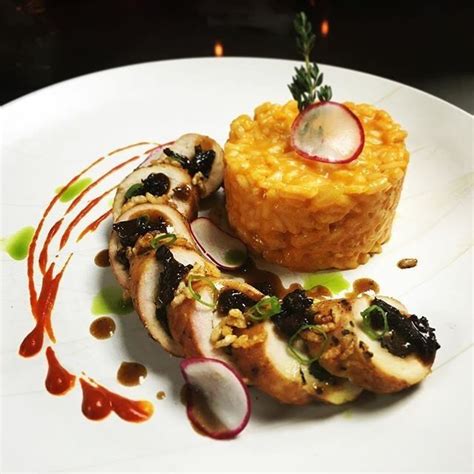
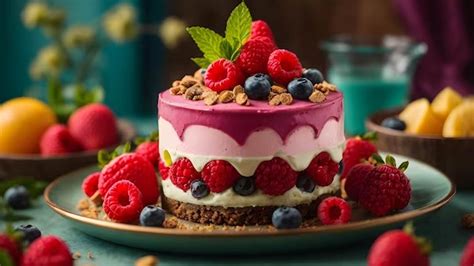
Think of your plate as a canvas. Start with clean, simple dinnerware that doesn’t distract from the food. Arrange elements deliberately, often following the “rule of odds” (odd numbers of items are more visually appealing) and leaving some negative space to allow the dish to breathe. Build height where appropriate, using main ingredients as the focal point and secondary elements to complement them. A drizzle of sauce, a sprinkle of fresh herbs, or a strategically placed crumble can add depth and interest without overcrowding.
Simple Props, Big Impact
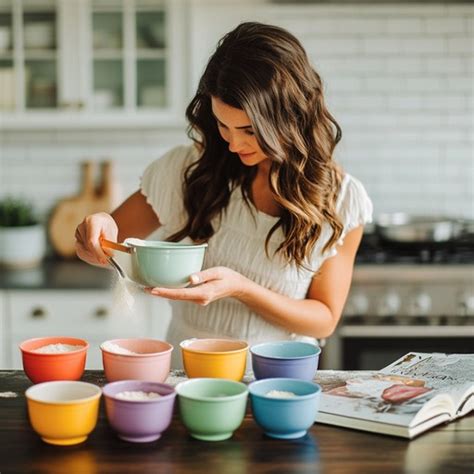
While the food should always be the star, carefully chosen props can tell a story and add context to your recipe. Think about simple, rustic textures like wooden cutting boards, linen napkins, or ceramic bowls. Consider a single ingredient used in the recipe, like a sprig of rosemary or a whole lemon, placed artfully in the background. Avoid overly busy or shiny props that might distract or create unwanted reflections. The goal is to enhance, not overshadow.
Garnish for Glory: The Finishing Touch
Garnishes are not just for decoration; they add freshness, color, and texture that can dramatically improve a dish’s visual appeal. A sprinkle of freshly chopped herbs (parsley, cilantro, dill), a dusting of powdered sugar on a dessert, a zest of citrus, or a swirl of sauce can transform a drab dish into something vibrant. Ensure garnishes are fresh and well-placed, adding to the composition rather than looking like an afterthought.
Master Your Angles and Focus
Experiment with different camera angles. An overhead “flat lay” shot works wonderfully for bowls, pizzas, or dishes with many components. A 45-degree angle is great for showing depth and dimension in dishes like casseroles or layered desserts. Eye-level shots are perfect for burgers, sandwiches, or drinks, making them feel more approachable. Always ensure your focal point (the most important part of the dish) is sharp and clear, with a pleasing background blur (bokeh) if possible.

Quick Fixes for Common Challenges
Sometimes food doesn’t cooperate. If greens look wilted, give them an ice bath before plating. Use a pastry brush to apply a little oil or water for a fresh, glistening look. For soups or stews, a spoonful of crème fraîche or a drizzle of olive oil on top can add visual richness. A warm, damp cloth can quickly clean up any spills on the plate’s rim. Remember, these are quick tricks to enhance, not to mislead.
The Art of Imperfection and Storytelling
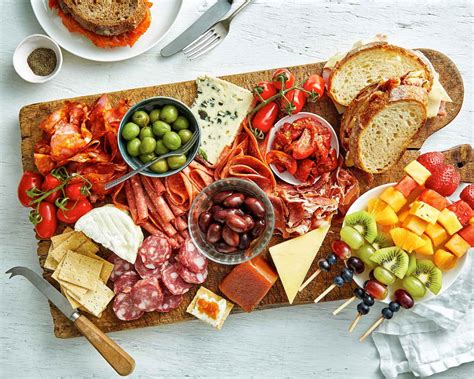
Sometimes, the most appealing food photos aren’t perfectly polished. A crumb near a cookie, a drip of sauce on the side of a bowl, or a fork just entering the frame can add a sense of authenticity and invite the viewer into the scene. Think about the story your food is telling. Is it comfort food? A quick weeknight meal? A celebratory dessert? Let your styling choices reflect that narrative.
With these quick and effective food styling tricks, you’re well on your way to capturing stunning recipe photos that not only showcase your culinary skills but also inspire others to get cooking. Practice makes perfect, so don’t be afraid to experiment and find your unique visual voice.