




What’s the best trick for keeping fresh herbs vibrant for a week or more?

Fresh herbs elevate any dish, adding vibrant flavor and aroma. However, their delicate nature often means they wilt and spoil quickly, leading to wasted ingredients and disappointment. The good news is, with a few simple tricks, you can significantly extend their life, keeping them fresh and potent for a week, or even beyond.
The Secret to Long-Lasting Freshness: Understanding Herb Types
The best preservation method largely depends on the type of herb. Herbs generally fall into two categories: tender herbs and hardy herbs. Understanding this distinction is the first step to successful storage.
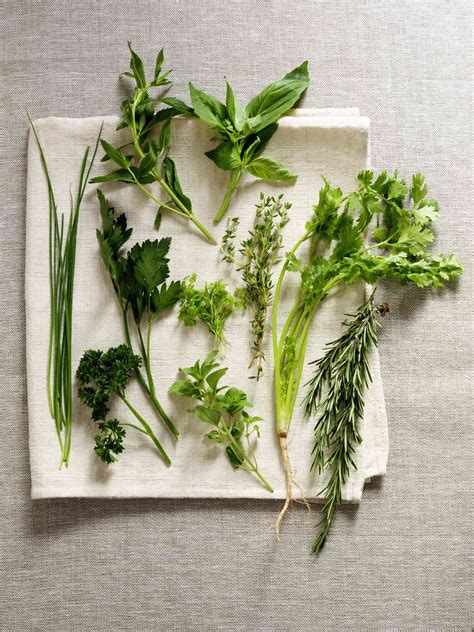
Tender herbs, such as basil, cilantro, parsley, mint, and dill, have soft, leafy stems and bruise easily. They thrive in conditions that mimic their natural growing environment: moist and humid. Exposing them to dry refrigerator air often causes them to blacken and wilt quickly.
Hardy herbs, like rosemary, thyme, oregano, and sage, have woody stems and tougher leaves. They are more robust and tolerate drier conditions better, but still benefit from proper care to prevent drying out and losing their flavor.

The “Bouquet” Method for Tender Herbs (Basil, Cilantro, Parsley, Mint)
This method is exceptionally effective for keeping tender herbs vibrant and is often referred to as the ‘flower bouquet’ technique. It protects them from dehydration and premature wilting.
- Trim the Stems: Upon bringing them home, trim about half an inch off the bottom of the stems, just like you would with fresh flowers. Remove any leaves that would fall below the waterline in your container.
- Water Immersion: Place the trimmed herbs upright in a glass jar or a small vase with about an inch of fresh, cool water at the bottom. The stems should be submerged.
- Cover Loosely: Loosely cover the entire setup (herbs and jar) with a plastic bag. You can use a clean plastic grocery bag, a produce bag, or even cling film, ensuring it doesn’t seal tightly but creates a humid microclimate around the leaves.
- Refrigerate (mostly): For most tender herbs (cilantro, parsley, dill, mint), place the covered jar in the refrigerator. For basil, which is sensitive to cold and can blacken, it’s often best to keep it on the counter away from direct sunlight, changing the water daily.
The “Damp Paper Towel Roll” Method for Hardy Herbs (Rosemary, Thyme, Oregano, Sage)
Hardy herbs prefer a slightly different approach that still provides moisture without over-saturating them.
- Wash and Dry Thoroughly: If desired, gently wash the herbs under cool water. The most crucial step here is to dry them completely. Excess moisture can lead to mold. Use a salad spinner or gently pat them dry with paper towels.
- Wrap in Damp Paper Towels: Lay the dried herbs in a single layer on a lightly dampened paper towel. The towel should be moist, not dripping wet.
- Roll and Bag: Tightly roll the herbs within the paper towel. Place this roll into a resealable plastic bag or an airtight container.
- Refrigerate: Store the bagged or contained herbs in the crisper drawer of your refrigerator.

Advanced Tips for Maximum Longevity
- Regular Water Changes: For the ‘bouquet’ method, change the water every 1-2 days to keep it fresh and prevent bacterial growth.
- Inspect Regularly: Remove any leaves that show signs of wilting, discoloration, or mold to prevent spoilage from spreading.
- Freezing for Long-Term: If you have an abundance of herbs, consider freezing them. Chop them fine, pack them into ice cube trays, cover with a little olive oil or water, and freeze. Once solid, transfer the cubes to a freezer bag. This method works especially well for basil, parsley, and cilantro.

Troubleshooting Common Herb Storage Mistakes
One of the biggest mistakes is washing herbs and then not drying them completely before storage, especially for the paper towel method. This traps moisture and accelerates spoilage. Another common error is storing tender herbs in an open container in the fridge, exposing them to dry air that quickly dehydrates them.
By implementing these simple yet effective storage techniques, you’ll find your fresh herbs staying vibrant, aromatic, and ready to use for much longer. No more tossing out wilted greens – enjoy the full flavor and nutritional benefits of your herbs throughout the week, making every meal a little more special.