




How to achieve vibrant colors in everyday cooking?

Beyond just taste and aroma, the visual appeal of food plays a crucial role in our dining experience. Vibrant colors in your everyday cooking not only make dishes more appetizing but can also indicate a richer nutrient profile. Incorporating a spectrum of hues into your meals is simpler than you might think, requiring just a few thoughtful choices and techniques.
The Power of Colorful Ingredients
The first step to a colorful plate is selecting ingredients that are naturally bright. Embrace the diversity of fresh produce available. Think beyond the usual and explore a rainbow of fruits and vegetables.
Prioritize seasonal produce, as it tends to have the most intense colors and flavors. Bell peppers in red, yellow, and orange, deep purple eggplant, bright green spinach, ruby red pomegranates, and golden turmeric are just a few examples that can instantly elevate the visual richness of any dish.
Cooking Methods for Color Retention
How you cook your ingredients significantly impacts their final color. Overcooking can dull vibrant hues, while proper techniques can lock them in.
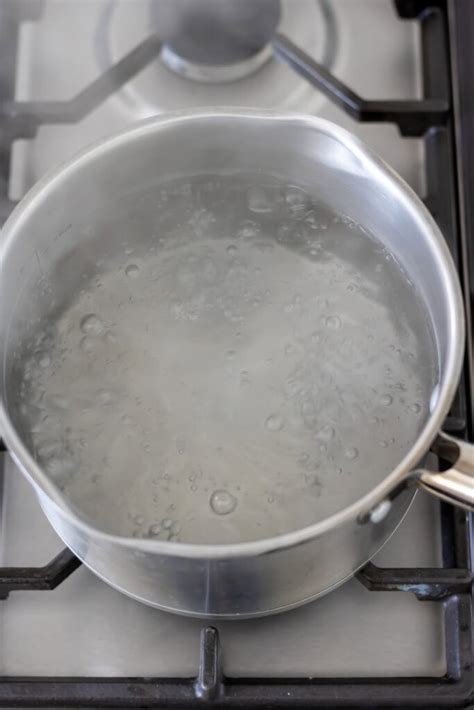
For green vegetables like broccoli or green beans, blanching (a quick dip in boiling water followed by an ice bath) is key to preserving their brilliant green. Steaming is another gentle method that helps retain both color and nutrients. When roasting, avoid overcrowding the pan to allow for proper caramelization and vibrant browning without dulling the colors.
Strategic Plating and Garnishing
Even the most colorful ingredients can fall flat if not presented well. Thoughtful plating can transform a simple meal into a feast for the eyes. Consider contrast when arranging your food – a sprinkle of fresh green herbs against a creamy sauce, or bright red cherry tomatoes alongside a golden pasta dish.
Garnishes are your secret weapon. Fresh herbs like parsley, cilantro, or chives add an instant pop of green. A squeeze of lemon juice not only brightens flavors but can also enhance the natural colors of certain foods. Edible flowers, citrus zests, or a drizzle of vibrant pesto or balsamic glaze can add the perfect finishing touch.

Natural Color Boosters and Enhancers
Beyond whole ingredients, certain spices and additions can naturally boost the color of your dishes. Turmeric lends a warm, golden hue to rice, curries, and scrambled eggs. Paprika adds a rich red or orange, while saffron can infuse a luxurious yellow.
Acidic elements, such as lemon juice or vinegar, can also brighten the colors of vegetables and fruits, making them appear more vibrant. For a natural pink or purple, consider incorporating beetroot juice or red cabbage into your cooking, especially for pickling or adding to smoothies.

Maintaining Freshness and Hydration
The key to vibrant food often lies in its freshness. Always store your produce correctly to maintain its crispness and color. Wilting vegetables quickly lose their visual appeal and often their flavor too.
Additionally, ensuring adequate hydration in dishes, where appropriate, can keep components looking plump and juicy, reflecting light beautifully. Don’t overcook to the point of dryness, as this can leach out both moisture and color.
Conclusion
Achieving vibrant colors in your everyday cooking is an enjoyable and rewarding process. By consciously choosing colorful ingredients, employing smart cooking techniques, paying attention to plating, and utilizing natural enhancers, you can transform ordinary meals into visually stunning and delicious culinary creations. Embrace the rainbow on your plate, and you’ll find that eating well has never looked so good!