
Actionable tips to capture stunning food adventure visuals without pro gear?
Unlocking Culinary Visuals on a Budget
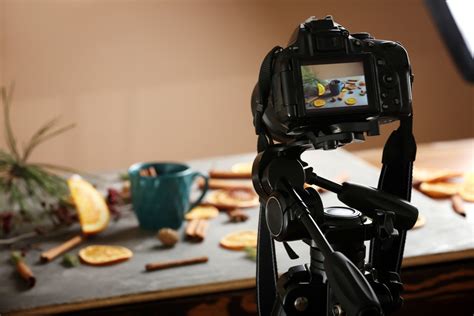
Embarking on a food adventure is an experience for all senses, and capturing those delectable moments is often as important as savoring the dishes themselves. While professional photographers might carry an arsenal of expensive gear, the good news is you don’t need a fancy camera or a studio setup to snap stunning, share-worthy food photos. Your smartphone or a basic point-and-shoot is more than capable, especially when armed with a few simple, actionable techniques.
Mastering Natural Light: Your Best Ally
Light is the single most important ingredient in any photograph. For food photography, natural light is almost always your best friend. Look for window light – soft, diffused light coming from the side or slightly behind your dish works wonders. Avoid harsh overhead lighting, which can create unflattering shadows and make food look flat. If you’re outdoors, seek out shaded areas or wait for the ‘golden hour’ (shortly after sunrise or before sunset) for warm, inviting tones.
Experiment with different angles relative to your light source. Sometimes, simply rotating your plate a few degrees can dramatically improve the shot by highlighting textures and reducing glare. If the light is too strong, you can diffuse it with a thin white cloth or even a napkin held between the light source and your food.
Composition: Framing Your Feast
Composition is how you arrange the elements within your frame. It’s what guides the viewer’s eye and tells your story. One of the easiest rules to apply is the ‘rule of thirds’: imagine your frame divided into nine equal sections by two horizontal and two vertical lines. Place your main subject (the food) along these lines or at their intersections for a more dynamic and engaging shot.
Consider different perspectives: an overhead ‘flat lay’ can be great for a spread of dishes, while a 45-degree angle often captures both the food and some of its surroundings. Get closer to fill the frame, or include just enough background to give context without distracting from the main subject. Think about leading lines – utensils, table edges, or patterns in the food itself can draw the viewer’s eye toward the star of your shot.
Highlighting the Delicious Details
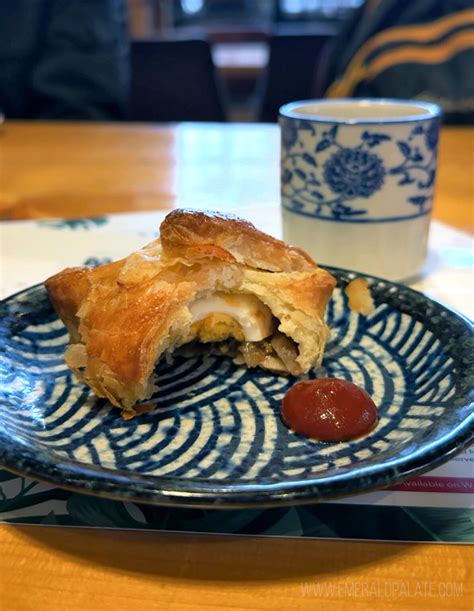
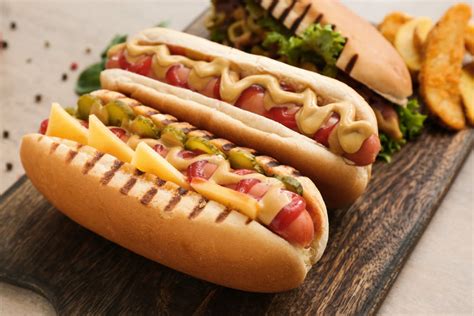
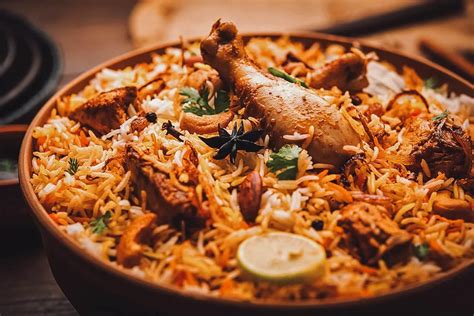
What makes a dish truly mouth-watering? Often, it’s the small details: the glistening sauce, the crispiness of a fried outer layer, the steam rising from a hot bowl of ramen. Get close! Don’t be afraid to take macro-style shots that focus on these appealing textures and intricate elements. Use your phone’s portrait mode (if available) to create a shallow depth of field, blurring the background and making your food pop.
Pay attention to the freshness of ingredients. Garnish thoughtfully, but don’t overdo it. A sprig of herbs or a sprinkle of spice can elevate a dish, but too much can make it look cluttered. Capture the food at its prime – before it wilts, melts, or cools down too much.
Storytelling with Backgrounds and Props
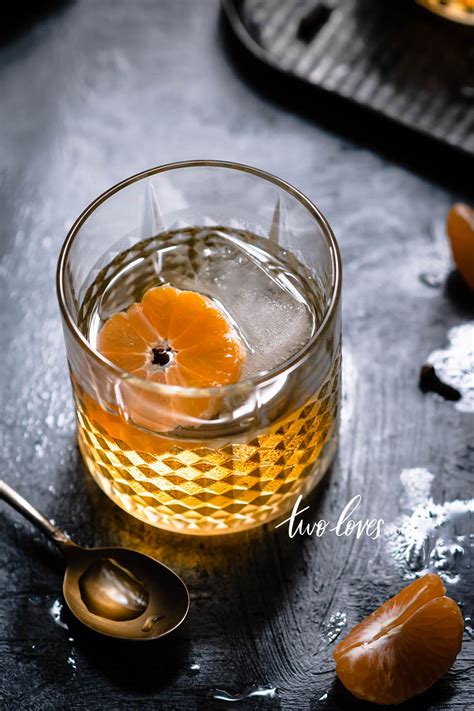
Food adventures are about more than just the food; they’re about the experience and the place. Use your background and props to tell that story. Is there a local craft beer, a unique plate, or a vibrant tablecloth that speaks to your destination? Include them. A subtle blur of a bustling market in the background, or a hand reaching for a piece of bread, can add a human element and a sense of place.
Keep props simple and complementary. Don’t let them overshadow the food. Fresh ingredients that went into the dish, a simple coffee cup, or a local newspaper can add authenticity. If your background is too busy, try moving your plate or getting closer to create more separation between the food and its surroundings.
Simple Editing for Impact
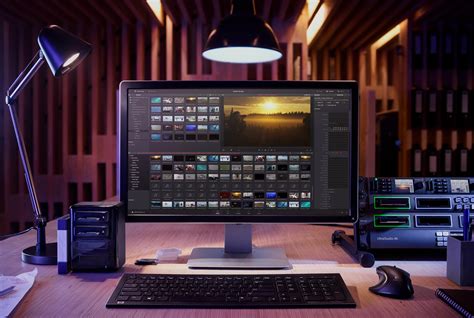
Even without pro software, basic editing on your phone can take your photos from good to great. Most smartphones have built-in editing tools, and there are many free apps (like Snapseed, Lightroom Mobile, or Google Photos) that offer powerful features. Focus on subtle enhancements rather than drastic changes.
Key adjustments include: increasing brightness (especially if taken indoors), adjusting contrast to make elements pop, slightly boosting saturation to enhance colors, and sharpening details. Cropping can also refine your composition, removing distractions and focusing the viewer’s eye. Remember, the goal is to enhance the natural appeal of the food, not to make it look artificial.
Conclusion: Shoot, Share, Savor
Capturing stunning food adventure visuals is an art that doesn’t require an expensive ticket. By harnessing natural light, thinking about your composition, focusing on delicious details, using props for storytelling, and making simple edits, you can create images that are as appetizing as the food itself. Practice makes perfect, so don’t be afraid to experiment. Most importantly, remember to put the camera down occasionally and fully savor the incredible culinary journey unfolding before you.