



How to achieve vibrant colors & perfect textures for stunning foodie plates?

The Art of Visual Gastronomy: Beyond Taste
In the world of food, we often eat with our eyes first. A dish that looks incredible instantly elevates the dining experience, promising a feast for all senses. Achieving vibrant colors and compelling textures isn’t just for professional chefs or food stylists; it’s a skill every home cook can cultivate to transform ordinary meals into extraordinary culinary masterpieces. This guide will walk you through the essential techniques to make your foodie plates truly stunning.

Cultivating Vibrant Colors: A Feast for the Eyes
Color is the first thing that grabs attention. A spectrum of hues suggests freshness, variety, and health. Here’s how to maximize and maintain brilliant colors in your cooking:
- Start with Fresh, High-Quality Ingredients: The most straightforward way to ensure vibrant colors is to use produce at its peak ripeness. Brightly colored fruits and vegetables naturally pop.
- Strategic Cooking Methods:
- Blanching: For green vegetables like broccoli or asparagus, a quick dip in boiling, salted water followed by an ice bath (blanching and shocking) locks in their bright green hue and keeps them crisp-tender.
- Roasting & Sautéing: High heat can caramelize natural sugars, deepening the colors of vegetables like carrots, bell peppers, and sweet potatoes, adding rich, inviting tones.
- Avoid Overcooking: Excessive cooking dulls colors and often compromises texture. Cook just until tender-crisp.
- Incorporate Natural Color Boosters: A squeeze of lemon juice can brighten certain vegetables. Herbs like parsley, cilantro, and mint add bursts of fresh green. Spices such as turmeric (yellow) and paprika (red) can also lend beautiful color.
- Think Contrast: Juxtapose colors that complement each other. A dark protein against a bright purée, or a vibrant garnish on a neutral base, creates dynamic visual interest.
Mastering Textures: The Hidden Dimension of Delight
Texture provides intrigue and satisfaction. A truly great dish offers a variety of textures – crisp, creamy, tender, crunchy – to keep the palate engaged. Without good texture, even the most flavorful dish can fall flat.
Understanding and Creating Textural Contrasts:
- Crisp & Crunchy:
- Frying or Roasting: Achieve crispy exteriors on potatoes, chicken skin, or vegetables.
- Toasted Nuts & Seeds: Sprinkling toasted almonds, sesame seeds, or croutons adds a delightful crunch.
- Fresh Vegetables: Raw or lightly blanched vegetables like radishes, cucumbers, or celery offer natural crispness.
- Creamy & Smooth:
- Purées: Smooth vegetable purées (carrot, cauliflower, pea) provide a luxurious base or accompaniment.
- Sauces: Velvety sauces, rich gravies, or creamy dressings add a comforting, silken texture.
- Dairy: A dollop of crème fraîche, a swirl of yogurt, or melted cheese can introduce richness.
- Tender & Succulent:
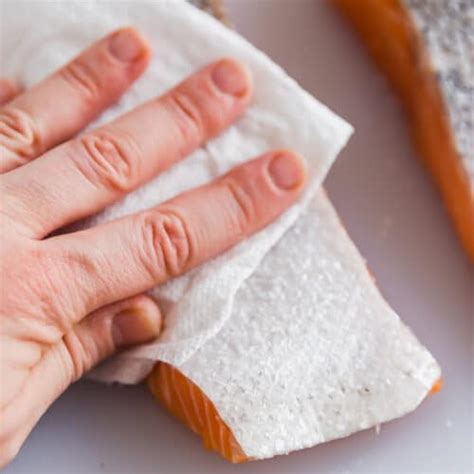
- Properly Cooked Proteins: A perfectly seared steak, flaky fish, or slow-braised meat offers a tender, melt-in-your-mouth experience.
- Al Dente Pasta & Grains: Cook pasta, rice, or quinoa just right to maintain a slight bite.
The key is to combine these different elements on one plate. Imagine a dish with tender seared scallops, accompanied by a creamy cauliflower purée, topped with crispy bacon bits and fresh chives. Each bite is a journey of textures.

Plating for Impact: Bringing It All Together
Once you’ve perfected your colors and textures, strategic plating is the final touch that transforms food into art. Think of your plate as a canvas.
- Composition:
- Rule of Odds: Arrange items in odd numbers for a more natural and appealing look (e.g., 3 scallops, 5 asparagus spears).
- Height & Layers: Build upward to add dimension. Stack ingredients or lean them against each other.
- Focal Point: Designate a main component and arrange other elements around it to draw the eye.
- Saucing & Garnishing:
- Strategic Drizzles: Instead of drowning your food, drizzle sauces artistically, creating swirls or dots.
- Fresh Garnishes: A sprig of fresh herbs, a sprinkle of zest, or edible flowers add final pops of color and often fresh aroma.
- Clean Edges: Use a clean cloth or brush to wipe away any drips or smudges from the rim of the plate.

Photography Tips for Capturing the Beauty
After all your hard work, you’ll want to capture your stunning creation. While not directly about cooking, good photography highlights your efforts:
- Natural Light is Your Best Friend: Position your plate near a window with indirect natural light. Avoid harsh direct sunlight or overhead artificial lights.
- Simple Backgrounds: Let your food be the star. Use neutral-colored plates and backgrounds.
- Shoot from Different Angles: Experiment with overhead shots, eye-level, or 45-degree angles to find what best showcases your dish.

Conclusion: Elevate Every Meal
Achieving vibrant colors and perfect textures is an ongoing journey of experimentation and refinement. By paying attention to ingredient quality, mastering various cooking techniques, and practicing thoughtful plating, you’ll consistently create dishes that not only taste incredible but also look irresistibly beautiful. Start incorporating these principles into your cooking today and watch your foodie plates transform into stunning works of culinary art.