



What “Visual Bites” visual cues compel foodies to click for recipes?
In the bustling digital realm of food blogs and social media feeds, a captivating image is no longer just an aesthetic bonus – it’s the primary gateway to a recipe. Foodies, by nature, are highly visual creatures, and their decision to click, save, or share a recipe often hinges on that split-second impression. But what precisely are these ‘visual bites’ – the specific visual cues that compel them to take the plunge from admiring glance to eager click?
The Science of Seduction: Decoding Foodie Psychology
At its core, compelling food photography taps into primal desires: hunger, comfort, pleasure, and the aspiration for culinary achievement. A great food image doesn’t just show food; it evokes a sensory experience, making the viewer almost taste, smell, and feel the dish. It sparks curiosity and promises a delicious reward, acting as a visual invitation to recreate that experience in their own kitchen.
Key Visual Cues That Command Attention
Several elements consistently stand out in their ability to magnetize foodies:
Vibrant Colors and Freshness
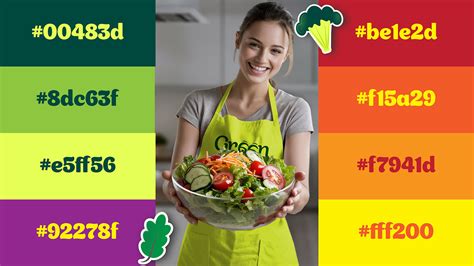
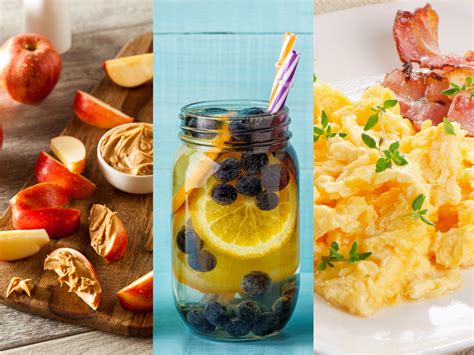
Rich, natural hues that pop – think a bright ruby strawberry, verdant herbs, or a golden-brown crust – immediately signal freshness, quality, and deliciousness. Overly desaturated or artificial colors tend to deter. The visual appeal of fresh, wholesome ingredients is undeniable.
Irresistible Texture and Detail
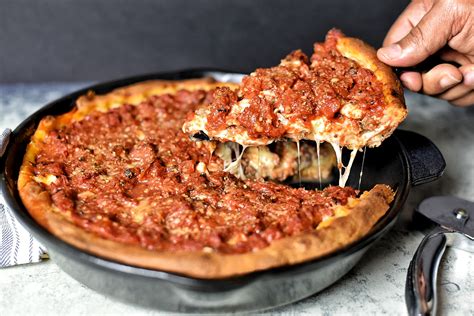
Close-up shots that highlight texture are incredibly powerful. Glistening sauces, perfectly caramelized edges, flaky pastry layers, the delicate crumb of a cake, or the gentle steam rising from a hot dish engage the viewer on a tactile level. These details suggest a well-executed recipe and a delightful eating experience.

Appetizing Composition and Styling
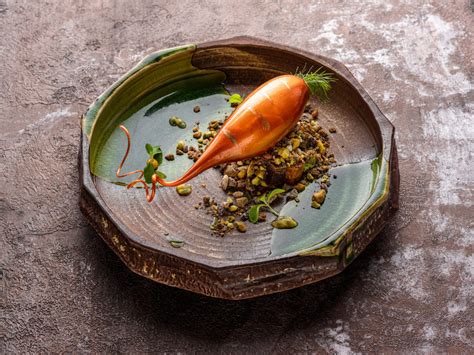
The way food is arranged on a plate and within the frame speaks volumes. Thoughtful plating, balanced proportions, and the strategic use of props (rustic cutlery, a patterned napkin, a sprig of herb) create a harmonious and inviting scene. A clean background ensures the food remains the hero, minimizing distractions.
The Magic of Lighting
Lighting is perhaps the most crucial element. Natural light, whether soft and diffused or bright and airy, enhances food’s natural beauty, making it look vibrant and real. Dramatic shadows can add depth and mood, while strategic highlights can make ingredients sparkle. Poor lighting, conversely, can make even the most delicious dish appear unappetizing.
Storytelling and Aspiration
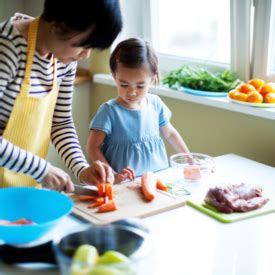
Some images go beyond just showcasing food; they tell a story or evoke a feeling. A cozy scene with a warm bowl of soup, hands reaching for a shared dish, or a beautifully set table suggests comfort, community, or culinary aspiration. These images connect emotionally, making the viewer imagine themselves in that moment.
Action Shots and Dynamic Elements
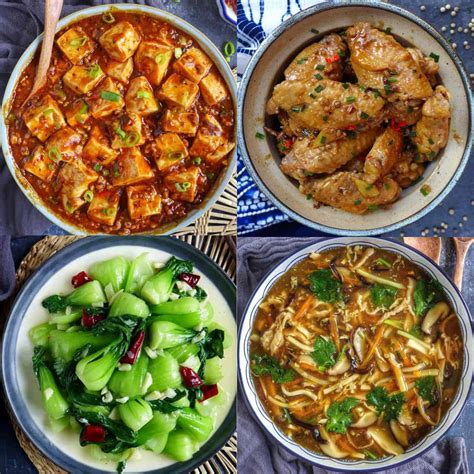
A drizzle of sauce, a sprinkle of garnish, a knife slicing into a freshly baked loaf, or a fork lifting a perfect bite – these dynamic elements add movement and excitement. They suggest immediacy and freshness, making the viewer feel like they are part of the preparation or about to enjoy the first bite.
Beyond the Lens: Optimizing for Click-Throughs
While stunning visuals are paramount, understanding where and how these visual bites are consumed is also key. Consistency in a distinct visual style helps build brand recognition. Ensuring images are high-resolution and load quickly across devices enhances the user experience. Ultimately, the most compelling visual cues are those that not only stop the scroll but also promise a satisfying culinary journey that awaits just one click away.
Conclusion
By mastering the art and science of visual cues – from vibrant colors and captivating textures to thoughtful composition and evocative lighting – creators can transform simple food photos into irresistible invitations. For foodies, these ‘visual bites’ are more than just pretty pictures; they are tantalizing glimpses into culinary possibilities, driving the irresistible urge to click for the full recipe.