




How do real foodies visually discover truly authentic local eats?

The Unspoken Language of Authentic Cuisine
For the true food enthusiast, the quest for authentic local eats is more than just finding a good meal; it’s about uncovering a destination’s culinary soul. While guidebooks and online reviews can point you in a direction, real foodies know that the deepest discoveries often come from a more primal sense: keen visual observation. Bypassing the glossy tourist traps, these culinary detectives rely on a sophisticated set of visual cues to zero in on the genuine articles. So, what exactly are they looking for?
Observe the Local Clientele: The Ultimate Indicator
The first and most telling visual cue is often the crowd. A restaurant bustling with locals – especially during non-peak tourist hours – is a strong indicator of authenticity. Look for multi-generational families, animated conversations in the local tongue, and patrons who seem to know the staff or the menu intimately. A restaurant packed with cameras and fanny packs, on the other hand, might offer a ‘local experience’ but is rarely the real deal.
Additionally, pay attention to the flow. A steady stream of people, even during off-hours, suggests consistent quality and local loyalty. Are people waiting patiently in line? That’s another excellent sign that something truly delicious awaits inside.
Decoding the Aesthetics of Authenticity
Authentic local eateries often wear their history and purpose on their sleeves. Visually, this can translate to a few key characteristics:
- Unpretentious Decor: Oftentimes, the less ‘designed’ a place looks, the more authentic it might be. Faded paint, mismatched chairs, or simple, utilitarian furnishings can be a sign that the focus is entirely on the food, not the ambiance.
- Visible Kitchen Action: If you can catch glimpses of the kitchen, look for fresh ingredients being prepped, dishes being cooked from scratch, and a generally busy, purposeful environment.
- Local Language Menus: Menus primarily in the local language, perhaps with handwritten additions, indicate catering to a local audience rather than international visitors. A short, focused menu can also suggest mastery over a few signature dishes.

The Visual Language of the Food Itself
Once you’ve scoped out the establishment, turn your attention to the food itself – either being served to other diners or displayed. What visual signals scream authenticity?
- Freshness of Ingredients: Bright, vibrant colors in vegetables, glistening seafood, and well-marbled meats are all indicators of fresh, quality produce.
- Homemade Appearance: Dishes that look handmade, not mass-produced or overly styled, often signify a personal touch and traditional preparation methods. Imperfections can be a good thing!
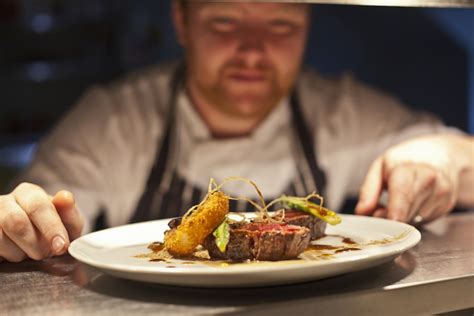
- Portion Sizes and Plating: Authentic local food is often hearty and unpretentious in its presentation. It’s about nourishment and flavor, not necessarily Michelin-star aesthetics.

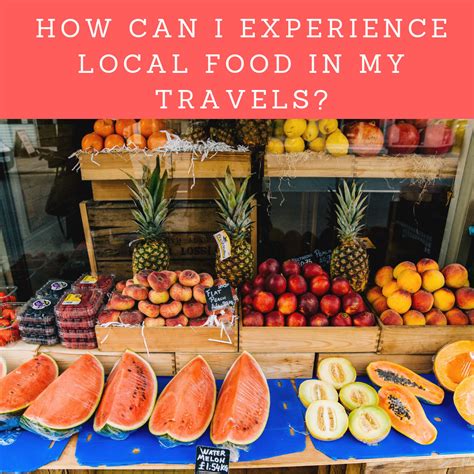
Street Vendors and Market Stalls: A Visual Feast
For many cultures, the truest culinary heart beats on the street or within bustling local markets. Here, visual cues are paramount:
- Vibrant Stalls: Look for stalls overflowing with fresh, seasonal produce, aromatic spices, and sizzling pans.
- Long Queues: A line of locals, especially during peak meal times, is a universal sign of deliciousness. Don’t be afraid to join it!
- Hygiene and Preparation: While ‘rustic’ is often a good sign, basic cleanliness in food handling is still important. Observe the vendor’s practices and the general upkeep of the stall.

Conclusion: Trusting Your Eyes (and Your Gut)
Ultimately, discovering truly authentic local eats is a skill honed through practice and observation. It’s about more than just finding a meal; it’s about connecting with a culture through its cuisine. By training your eyes to decode the visual language of local dining — from the composition of the crowd to the honest presentation of the food itself — you’ll unlock a world of genuine culinary experiences that most tourists simply walk past. So next time you’re exploring, put down the guidebook, look up, and let your foodie senses guide you to a truly memorable feast.