




Visual hacks: How do foodies keep produce vibrant and fresh for longer?
The Secret to Longevity: Understanding Produce Needs
For foodies, the appeal of a dish begins long before the first bite – it starts with the vibrant colors and crisp textures of fresh ingredients. Keeping produce looking and tasting its best for longer isn’t just about reducing waste; it’s about preserving the integrity and visual allure that makes cooking and eating such a joy. While it might seem like a simple task, there’s an art and science to extending the life of your fruits and vegetables. Food enthusiasts often employ a range of clever ‘visual hacks’ that go beyond basic refrigeration, ensuring their ingredients remain photo-ready and delicious.
The key lies in understanding the unique needs of different produce types. What keeps leafy greens crisp might spoil berries, and what extends the life of a tomato could ruin a potato. This guide delves into the tried-and-true methods that keep your kitchen stocked with fresh, vibrant produce, ready for your next culinary adventure.
Mastering the Basics: Temperature, Humidity, and Airflow
Before diving into specific hacks, it’s essential to grasp the fundamental principles of produce preservation. Temperature is critical; most fruits and vegetables thrive in cool environments, but some are sensitive to refrigeration (like tomatoes and basil). Humidity control is equally important, as too much moisture can lead to rot, while too little causes wilting. Lastly, proper airflow prevents the buildup of gases and moisture, which can accelerate spoilage.
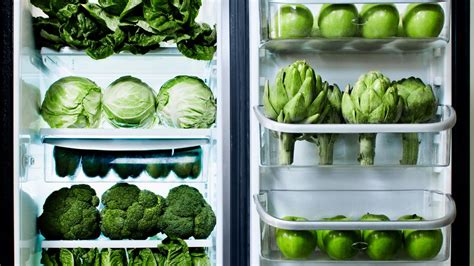
Your refrigerator’s crisper drawers are designed to manage these elements. The ‘high humidity’ drawer is ideal for leafy greens and vegetables that tend to wilt, while the ‘low humidity’ drawer suits fruits and vegetables that emit ethylene gas or prefer a drier environment.
Tailored Techniques for Specific Produce
Leafy Greens and Herbs: The Hydration Heroes
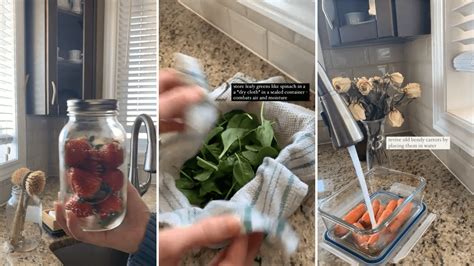
Wilting greens are a foodie’s nightmare. To keep lettuce, spinach, kale, and other leafy greens crisp, wash them thoroughly, then dry them completely. Wrap them in a paper towel before storing them in an airtight container or zip-top bag in the refrigerator. The paper towel absorbs excess moisture, preventing sliminess, while the container maintains a humid, yet not wet, environment.
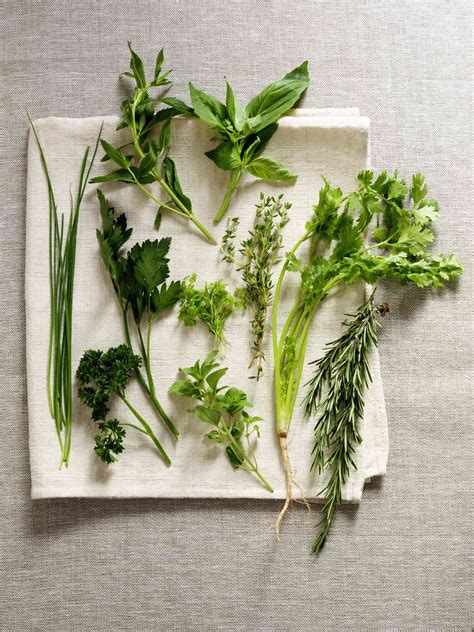
Fresh herbs, such as cilantro, parsley, and basil, can be treated like a bouquet of flowers. Trim the stems, place them in a jar with an inch or two of water, and cover loosely with a plastic bag. For basil, keep it on the counter; for others, refrigerate. Change the water every couple of days.
Berries: The Gentle Touch
Berries are delicate and prone to mold. A quick vinegar bath can work wonders. Mix one part white vinegar with ten parts water, dip the berries briefly, then rinse gently and dry thoroughly before storing them in a single layer in a breathable container in the refrigerator.
Root Vegetables: Cool, Dark, and Dry
Potatoes, onions, and garlic prefer cool, dark, and dry places, but never together! Onions emit gases that can cause potatoes to sprout prematurely. Keep them separate and away from direct sunlight.
Ethylene Gas: The Ripening Regulator
Some fruits, like apples, bananas, and avocados, release ethylene gas, a natural ripening agent. While beneficial for ripening other fruits and vegetables, it can also cause premature spoilage. Store ethylene-producing produce separately from ethylene-sensitive items like leafy greens, broccoli, and carrots. For instance, keep bananas away from most other fruits, or ripen avocados faster by placing them in a paper bag with an apple.
Innovative Tools and Smart Storage Solutions
Beyond traditional methods, modern kitchens offer specialized tools that help foodies maintain produce vibrancy. Produce bags with ventilation, humidity-controlled storage containers, and even specialized crisper drawer liners can significantly extend shelf life. Some high-tech refrigerators even come with dedicated zones for different types of produce, controlling temperature and humidity with precision.
Another hack involves blanching and freezing certain vegetables like broccoli or green beans. This quick process preserves their color, texture, and nutrients, making them perfect for future meals without losing their appeal.

Beyond Storage: Smart Shopping and Usage
The journey to long-lasting produce also starts at the grocery store. Choose items that are firm, unblemished, and already vibrant. Avoid buying more than you can reasonably consume before spoilage. Practicing ‘first-in, first-out’ (FIFO) with your produce helps ensure nothing gets forgotten. Prepping certain items, like chopping bell peppers or washing grapes, as soon as you get home can also make them more accessible and likely to be used.
Conclusion: A Feast for the Eyes and the Palate
Keeping produce vibrant and fresh for longer is an art honed by foodies who understand that the visual appeal and taste are intrinsically linked. By understanding the specific needs of different fruits and vegetables, employing smart storage techniques, and utilizing clever hacks like vinegar baths or proper separation, you can significantly extend the life of your ingredients. Not only does this reduce food waste and save money, but it also ensures that every dish you create is a feast for both the eyes and the palate, reflecting the true beauty of fresh, wholesome food.