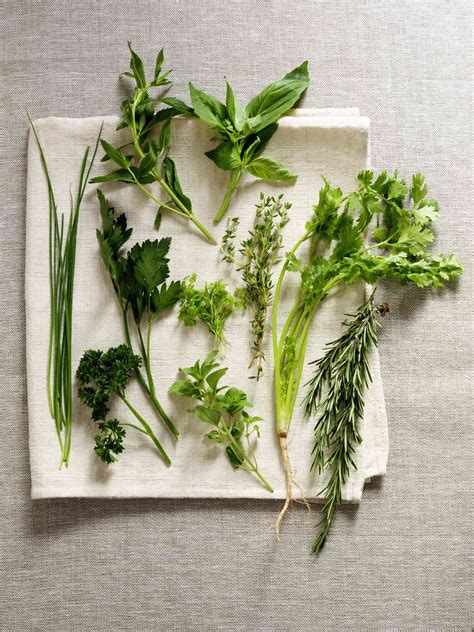





Optimal visual storage for vibrant leafy greens, keeping them crisp?

Few things are as disappointing in the kitchen as reaching for a fresh bunch of vibrant leafy greens only to find them limp, discolored, and destined for the compost bin. The quest for crisp, long-lasting greens is a common challenge for home cooks. But what if there was a way to extend their life, maintaining their visual appeal and delightful crunch?
The Science of Spoilage: Why Greens Go Limp
To master the art of green preservation, it helps to understand why they spoil. Leafy greens are mostly water, and their wilting is primarily due to moisture loss. Once picked, greens continue to respire, releasing water vapor and ethylene gas. Excessive air exposure, improper temperature, and residual moisture can accelerate this process, leading to sad, saggy leaves much faster than desired.

Common Mistakes That Cut Short Your Greens’ Life
Before diving into solutions, let’s identify common missteps that often lead to premature wilting:
- Washing Too Soon: Introducing excess moisture before storage creates a humid environment ripe for bacterial growth and faster decomposition.
- Storing in Open Containers: Direct exposure to the refrigerator’s dry air sucks moisture out of your greens, making them wilt rapidly.
- Bundling Too Tightly: Lack of air circulation can trap moisture, promoting rot.
- Incorrect Fridge Placement: The warmest or coldest spots in your fridge can be detrimental.
Pillars of Optimal Green Storage
The core principles for keeping greens vibrant and crisp revolve around:
- Dryness is Key (Initially): Avoid washing until just before use. If you must wash, dry thoroughly.
- Controlled Humidity: You want a moist, but not wet, environment.
- Minimal Air Exposure: Protect greens from the dehydrating effects of open air.
- Consistent Cool Temperature: The crisper drawer is your best friend.
Top Methods for Crispy, Long-Lasting Greens
Method 1: The Paper Towel & Air-Tight Container Technique
This is arguably the most effective and widely used method for most leafy greens (spinach, lettuce, kale, collards).
- Do NOT Wash: Store greens unwashed. If they are particularly dirty, gently wipe off visible soil with a dry cloth.
- Wrap Generously: Place greens loosely in a dry paper towel. For larger quantities, use several layers. The paper towel absorbs excess moisture while creating a humid microclimate.
- Containerize: Place the wrapped greens into a zip-top plastic bag, an air-tight container, or even a glass casserole dish with a lid. Ensure there’s minimal air trapped inside but don’t pack them too tightly.
- Refrigerate: Store in the crisper drawer. Replace paper towels if they become overly damp.
Method 2: The Water Jar Method (Ideal for Hearty Greens & Herbs)
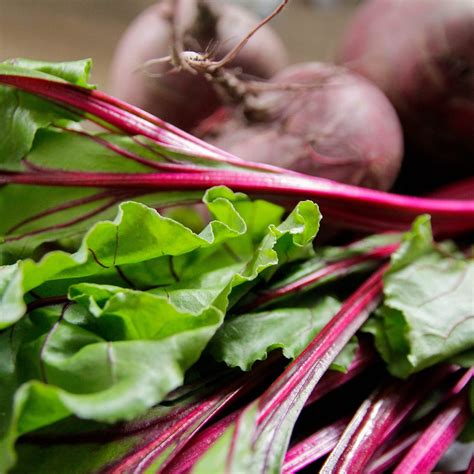
Think of this like storing flowers in a vase; it’s perfect for heartier greens with stems (kale, chard, collards, romaine hearts) and most herbs.
- Trim Stems: Trim about half an inch off the bottom of the stems.
- Hydrate: Place the greens (or herbs) stem-side down into a glass jar or a tall cup with about an inch of fresh water.
- Cover Loosely: Loosely cover the top of the greens with a plastic bag to create a mini-greenhouse effect, or simply place a lid over the jar if it accommodates the greens.
- Refrigerate: Store on a fridge shelf, changing the water every 1-2 days to prevent bacterial growth.

Method 3: The Salad Spinner (for Quick Use)
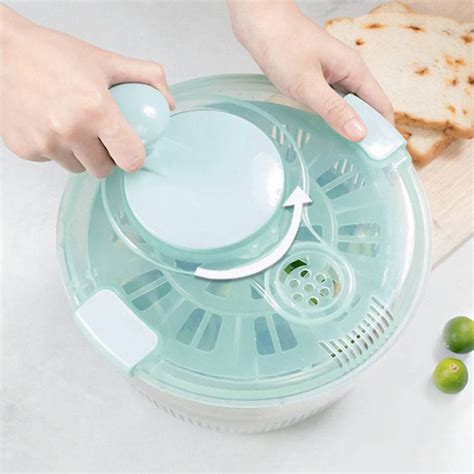
If you’re planning to use your greens within a day or two and prefer to wash them immediately, a salad spinner is indispensable.
- Wash Thoroughly: Rinse greens under cold water.
- Spin Dry: Use a salad spinner to remove as much water as possible. This step is crucial.
- Store in Bag/Container: Transfer the spun-dry greens to a clean, dry zip-top bag with a dry paper towel, or an air-tight container.
- Use Quickly: Even with a good spin, these greens won’t last as long as unwashed ones.
Special Considerations for Different Greens
- Delicate Greens (Spinach, Arugula, Mixed Greens): Best with the paper towel and container method. Handle gently to avoid bruising.
- Sturdy Greens (Kale, Collards, Chard): Both the paper towel and water jar methods work well. They are more forgiving.
- Heads of Lettuce (Romaine, Butter, Iceberg): Keep the head intact and use the paper towel method, or the water jar method for romaine.
The Importance of the Crisper Drawer
Your refrigerator’s crisper drawers are designed to create different humidity environments. For most leafy greens, the high-humidity setting (often labeled ‘vegetables’) is ideal. This helps prevent moisture loss without creating excessive dampness.

Conclusion
With a little planning and the right storage techniques, you can banish limp, lifeless greens from your fridge. By understanding their needs—dryness, controlled humidity, and cool temperatures—you can extend the life of your leafy greens, ensuring they stay vibrant, crisp, and ready to elevate your meals. Say goodbye to food waste and hello to consistently fresh, delicious produce!