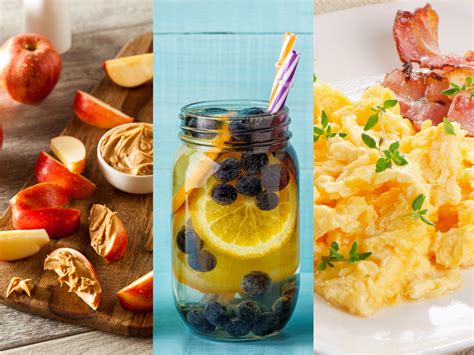




Which Visual Bites framing or lighting technique most entices foodies to save recipes?
The Visual Gateway to a Foodie’s Recipe Box
In the bustling digital culinary world, where countless recipes compete for attention, a compelling visual is no longer a luxury—it’s a necessity. For foodies, the decision to save a recipe often hinges on that initial ‘visual bite.’ It’s the photograph that stops the scroll, sparks craving, and ultimately, prompts action. But what specific framing and lighting techniques truly captivate this discerning audience and compel them to hit that ‘save’ button?
Understanding the psychological impact of food photography is key. A well-executed shot doesn’t just display food; it tells a story, evokes emotion, and makes the dish feel attainable and delicious. Let’s delve into the techniques that consistently rise to the top for engaging food enthusiasts.
Mastering Framing for Maximum Appeal
Framing dictates what the viewer sees and how they perceive the dish. Different approaches can highlight various aspects, appealing to different foodie sensibilities:
-
The Alluring Close-Up
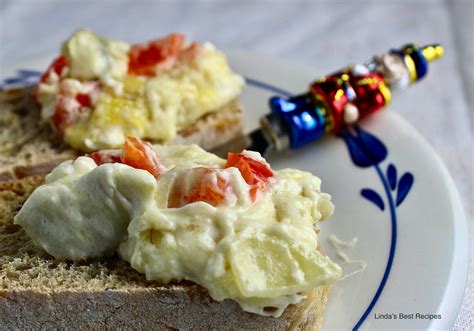
A tight close-up shot focuses on texture, steam, or a glistening sauce, creating an intimate connection with the food. This technique often emphasizes the sensory experience, making the viewer almost taste the dish. It’s particularly effective for highlighting intricate details or the freshness of ingredients.
-
The Ever-Popular Flat Lay (Overhead Shot)
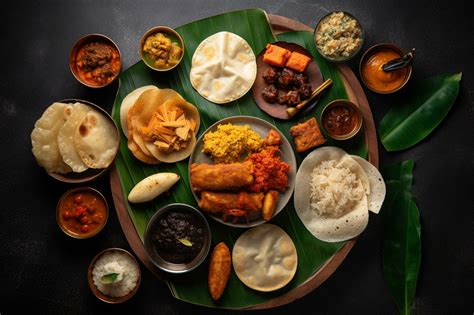
The flat lay, or ‘table shot,’ provides context by showcasing multiple elements of a meal, prep ingredients, or the entire dining setup. It’s excellent for illustrating a complete breakfast, a spread of appetizers, or a step-by-step recipe visual. Foodies love flat lays for their ability to tell a broader story and offer inspiration for plating or pairing.
-
The Relatable Eye-Level Shot
Capturing food from an eye-level perspective makes it feel accessible and real, as if the dish is right in front of the viewer. This angle works wonders for dishes with impressive height, such as towering burgers, layered cakes, or drinks with garnishes. It creates a sense of immediate gratification and realism.

Illuminating Dishes: The Art of Lighting
Lighting is arguably the most critical element in food photography, transforming an ordinary dish into an extraordinary one. It shapes mood, reveals texture, and defines visual temperature.
-
The Warmth of Natural Light
Soft, diffused natural light (often from a window) is the gold standard for many food photographers. It creates beautiful, even illumination, minimizing harsh shadows and enhancing the food’s natural colors. Food shot with natural light often appears fresh, inviting, and authentic, resonating deeply with foodies who appreciate wholesome aesthetics.
-
Dramatic Backlighting
Positioning the light source behind the food can create a stunning halo effect, adding depth and highlighting edges. This technique is particularly effective for translucent foods, liquids, or anything with a delicate sheen, making it sparkle and appear incredibly appetizing. It adds a touch of drama and elegance.
-
Texture-Enhancing Side Lighting
Side lighting casts subtle shadows that emphasize the texture and contours of the food. It’s perfect for showcasing the crispness of a crust, the ridges of pasta, or the flakiness of a pastry. This technique helps the viewer ‘feel’ the food through the image, increasing its allure.
Combining Techniques for Irresistible Content
While individual techniques are powerful, their synergy can produce truly captivating results. A common winning combination is soft, diffused natural light paired with a flat lay or a slightly overhead close-up. This setup provides both context and appealing detail, all bathed in flattering light.
The choice of technique often depends on the food itself and the story you want to tell. A hearty stew might benefit from an eye-level shot with warm, side lighting to emphasize its comforting texture, while a vibrant salad might shine brightest in a flat lay with bright, natural light.

Which Technique Reigns Supreme?
Based on extensive observation of foodie engagement across platforms, the techniques that most consistently entice foodies to save recipes are those that evoke authenticity, clarity, and sensory appeal. This often translates to:
- **Soft, Diffused Natural Light:** It’s universally appealing, making food look fresh and inviting without artificiality.
- **Flat Lays (Overhead Shots):** Especially for complex dishes, spreads, or baked goods, they offer comprehensive visual information and inspire plating.
- **Close-Ups:** For showing intricate details, textures, or ‘money shots’ that make the viewer salivate.
While backlighting adds drama, and eye-level shots offer realism, the consistent winners lean towards natural light and framing that provides either comprehensive context or tantalizing detail. The key is to make the food look approachable, delicious, and easy to recreate.
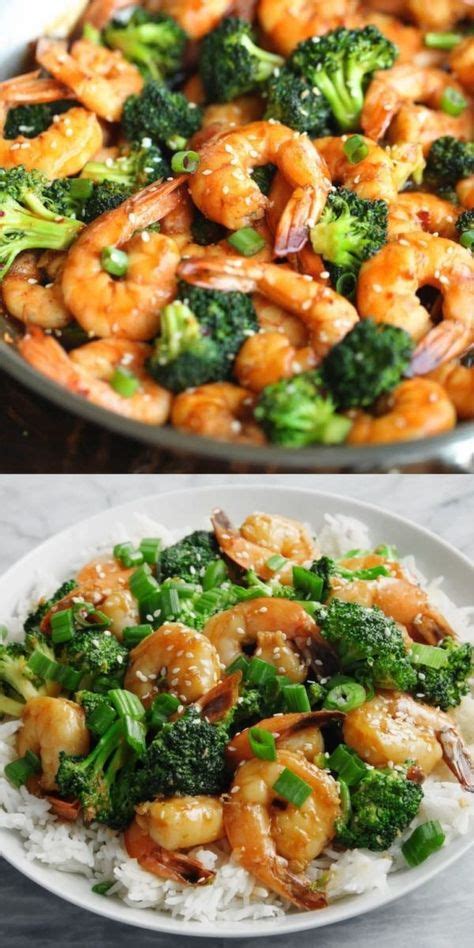
Ultimately, the most enticing visual bite is one that feels genuine, highlights the best features of the dish, and makes the viewer imagine enjoying that very meal. By strategically employing natural light and choosing framing that best showcases the dish’s narrative, content creators can significantly boost their chances of landing their recipes in a foodie’s cherished digital collection.