




Secrets to maintaining vibrant color & texture in your cooked dishes?

The magic of a well-cooked dish extends far beyond taste; it encompasses a symphony of visual appeal and delightful textures. A plate bursting with vibrant colors and perfectly tender-crisp components not only tantalizes the eyes but also signals freshness and skillful preparation. But how do professional chefs consistently achieve this culinary artistry? The secret lies in understanding and applying a few fundamental principles throughout the cooking process.
The Foundation: Quality Ingredients & Proper Preparation
It all begins with selecting the freshest produce and proteins available. High-quality ingredients inherently possess stronger pigments and better structural integrity, making them easier to maintain. Once selected, proper preparation is key. Gently washing vegetables, rather than scrubbing vigorously, prevents bruising and maintains their natural protective layers. Cutting ingredients uniformly ensures even cooking, which is crucial for consistent texture and color. For example, unevenly chopped carrots will result in some pieces being mushy while others are still hard.
Mastering Cooking Techniques for Preservation
The cooking method itself plays a pivotal role. Different techniques suit different ingredients, and knowing which to employ can make all the difference.
Blanching and Shocking
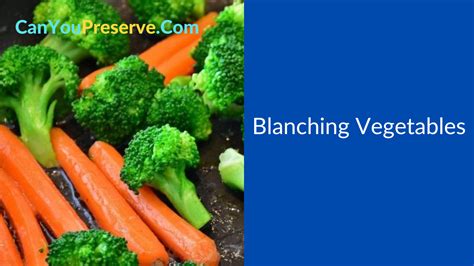
This technique is a game-changer for green vegetables like broccoli, asparagus, and green beans. Briefly boiling them in salted water then immediately plunging them into an ice bath halts the cooking process, locking in their bright green color and tender-crisp texture. The quick exposure to heat intensifies their chlorophyll, while the cold bath prevents overcooking and oxidation.
Sautéing and Stir-Frying
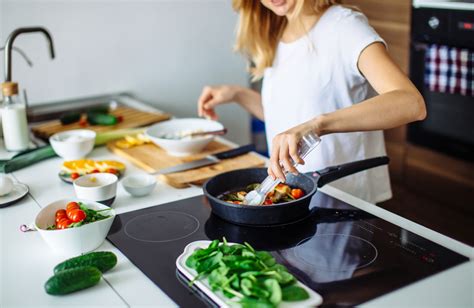
For vegetables and even some proteins, quick cooking over high heat is ideal. A hot pan and a small amount of fat create a rapid sear, developing flavor and a slight char without allowing the ingredients to leach out their color or become limp. Crucially, avoid overcrowding the pan, as this lowers the temperature and leads to steaming rather than searing, resulting in duller colors and softer textures.
Gentle Steaming and Roasting
Steaming is a gentle method that preserves nutrients and color, particularly for delicate vegetables. Roasting, while adding delicious caramelized flavors, needs careful monitoring. High heat can brown and crisp surfaces, but prolonged roasting can dull colors and soften textures too much. Aim for vibrant, slightly charred edges without turning the entire vegetable brown and lifeless.
Timing and Acidity: Your Culinary Allies
Beyond the primary cooking method, timing and the strategic use of acid are powerful tools. Incorporate more delicate vegetables towards the end of the cooking process when preparing multi-ingredient dishes, such as stir-fries or stews. This ensures they retain their structure and color rather than turning to mush.
Acidity, such as a squeeze of lemon juice, a splash of vinegar, or a dash of lime, can work wonders. Added just before serving, it brightens flavors and has a remarkable ability to ‘pop’ the colors of your dish, especially with vegetables and certain sauces. Be mindful, however, as adding acid too early during cooking can sometimes set colors (especially green ones) or toughen proteins.
Avoiding Common Pitfalls for Perfection
Knowing what not to do is as important as knowing what to do. The cardinal sin is overcooking – it’s the quickest way to destroy both color and texture. Vegetables turn drab and mushy, meats become dry and grey. Always aim for al dente or just cooked through. Another common mistake is cutting ingredients too small or unevenly, leading to inconsistent results. Lastly, prolonged exposure to air can cause oxidation, especially in fruits and some vegetables, leading to browning. Prepare ingredients closer to cooking time or use techniques like soaking cut apples in acidulated water.
Post-Cooking Care for Lasting Brilliance
Once your dish is cooked to perfection, how you handle it afterward can still impact its appeal. Serve dishes promptly to enjoy them at their peak color and texture. If storing leftovers, allow them to cool quickly (to stop residual cooking) and then refrigerate them in airtight containers. Reheating should be done gently and quickly, preferably using methods that don’t dry out or overcook the ingredients further, such as a quick sauté or microwave burst, rather than prolonged oven reheating.
Conclusion
Mastering the art of maintaining vibrant color and texture in your cooked dishes is a journey of understanding ingredients, practicing precise techniques, and paying attention to detail. By implementing these secrets—from selecting fresh produce and employing proper cooking methods like blanching and quick sautéing, to strategic timing and a final touch of acidity—you’re well on your way to creating meals that are as stunning to behold as they are delicious to savor. Happy cooking!