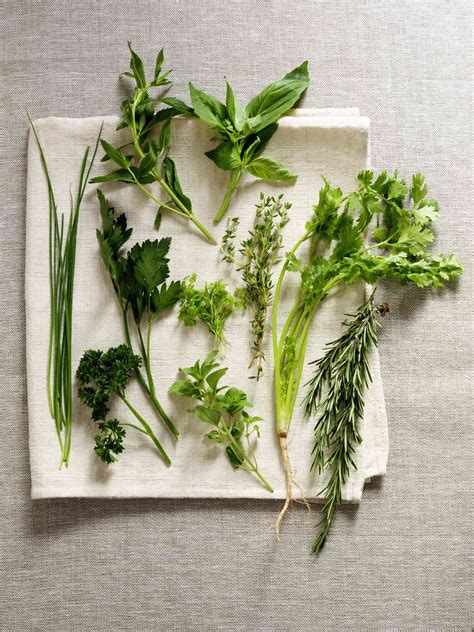





Keep greens vibrant: best fresh herb storage hacks?

Maintaining the vibrant freshness of your culinary herbs is key to elevating your dishes from good to great. Nothing is more disappointing than reaching for a bunch of basil or cilantro only to find it wilted and lifeless. Fortunately, with a few simple techniques, you can significantly extend the life of your fresh greens, ensuring they’re ready to infuse your meals with peak flavor whenever inspiration strikes.
The Science of Freshness: Why Herbs Wilt
Understanding why herbs spoil quickly is the first step to preventing it. Most fresh herbs are delicate, high in water content, and susceptible to both dehydration and excessive moisture, which can lead to mold. The goal of proper storage is to strike a balance, controlling moisture and temperature to slow down the natural wilting process.

Method 1: The “Bouquet” Approach for Sturdier Herbs
This method works wonders for herbs with sturdier stems, such as parsley, cilantro, mint, dill, and even asparagus. Treat them like a bouquet of flowers:
- Trim Stems: Snip off the very ends of the stems, just as you would with cut flowers.
- Water Bath: Place the trimmed herbs upright in a glass or jar with about an inch of water at the bottom.
- Cover & Refrigerate: Loosely cover the herbs with a plastic bag (like a produce bag) or plastic wrap, creating a mini-greenhouse effect. Store in the refrigerator.
- Change Water: Change the water every 1-2 days to keep it fresh.
This method keeps leaves hydrated and can extend their life for up to two weeks.
Method 2: The Paper Towel Roll for Tender Leafy Herbs
Tender, leafy herbs like basil, chives, tarragon, oregano, and marjoram benefit from a different approach, particularly basil, which dislikes cold temperatures.
- Gently Wash (Optional): If you must wash, do so very gently and ensure they are thoroughly dry. Excess moisture promotes spoilage.
- Damp Paper Towel: Lay the herbs flat on a slightly damp paper towel.
- Roll & Refrigerate: Gently roll the herbs within the paper towel. Place the roll inside a resealable plastic bag or an airtight container. Store in the refrigerator (except for basil, which prefers a cool spot on the counter).
This method helps maintain moisture without waterlogging the delicate leaves and can keep herbs fresh for 1-2 weeks.
Method 3: Freezing Herbs for Long-Term Preservation
When you have an abundance of herbs or want to preserve them for several months, freezing is an excellent option. This works well for most herbs, especially those used in cooked dishes, like basil, parsley, cilantro, dill, mint, and chives.
- Chop Finely: Wash and thoroughly dry the herbs. Chop them finely.
- Ice Cube Trays: Pack the chopped herbs into ice cube trays.
- Add Liquid: Cover the herbs with a neutral oil (like olive oil) or water.
- Freeze Solid: Freeze until solid.
- Transfer to Bag: Once frozen, pop out the herb cubes and transfer them to a freezer-safe bag or container.
These frozen herb cubes can be added directly to soups, stews, sauces, or stir-fries, providing a burst of fresh flavor months later.

Additional Tips for Herb Longevity
- Don’t Wash Until Ready: Washing herbs before storage can introduce excess moisture, accelerating spoilage. Only wash right before use.
- Check for Spoilage: Before storing, remove any bruised, discolored, or slimy leaves. One bad leaf can spoil the whole bunch.
- Airtight is Key: Whether in water or wrapped, minimizing air exposure helps prevent oxidation and dehydration.
- Consider Herb Keepers: Specialized herb keepers are available and can be effective, often combining elements of the bouquet method with an airtight container.

Conclusion: Fresh Herbs, Always Within Reach
Implementing these simple fresh herb storage hacks will not only reduce food waste but also ensure you always have vibrant, flavorful greens at your fingertips. No more last-minute grocery runs for a sprig of parsley or a handful of basil. With a little care, your kitchen will always be stocked with fresh inspiration.