




How to keep fresh herbs vibrant longer for gourmet meals?

The Secret to Long-Lasting Freshness for Gourmet Meals
Fresh herbs are the soul of gourmet cooking, adding vibrant flavors, aromatic nuances, and beautiful garnishes that elevate a simple dish into a culinary masterpiece. However, their delicate nature often means they wilt and lose their potency quickly after purchase. Don’t let your precious cilantro or basil go limp before you can use it! Mastering the art of herb preservation is a game-changer for any home chef aspiring to consistently create restaurant-quality meals.
This guide will walk you through proven techniques to keep your fresh herbs vibrant and flavorful for significantly longer, ensuring they’re always ready to infuse your gourmet creations with unparalleled freshness.
Understanding Herb Types: Tender vs. Woody
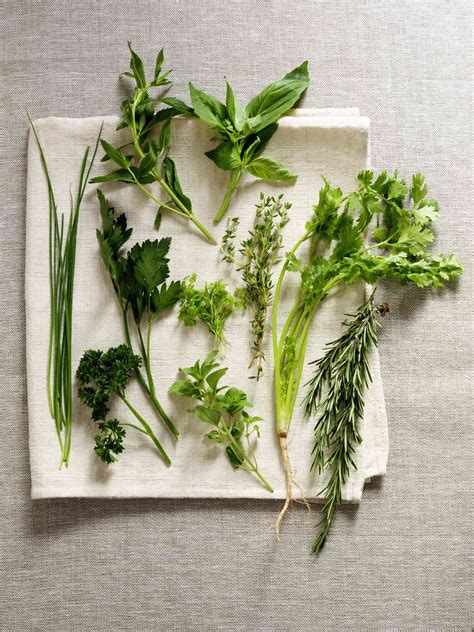
The first step to effective herb storage is understanding the two main categories: tender and woody. Tender herbs, like parsley, cilantro, basil, mint, and dill, have soft stems and delicate leaves. They are generally more perishable but also more versatile in their use. Woody herbs, such as rosemary, thyme, oregano, and sage, have tougher stems and often smaller, more robust leaves. They tend to have a slightly longer shelf life but still benefit immensely from proper storage.
General Principles for Herb Preservation
Regardless of the herb type, a few universal rules apply. Always inspect your herbs upon purchase, removing any damaged, yellowed, or rotting leaves. Avoid washing herbs until just before use, as excess moisture can accelerate spoilage. If you must wash them, ensure they are thoroughly dry before storage—a salad spinner or gentle patting with paper towels works wonders.
Method 1: The Water Bath Technique (Tender Herbs)
This method mimics how flowers are kept in a vase and is ideal for tender, leafy herbs such as parsley, cilantro, dill, and even basil (with a slight modification). Trim the very ends of the stems, much like you would cut flower stems. Place the herbs upright in a glass or jar with about an inch of water at the bottom. Cover loosely with a plastic bag (or even a reusable produce bag) and store in the refrigerator. For basil, which is sensitive to cold, keep it on the countertop away from direct sunlight. Change the water every day or two.
Method 2: The Damp Paper Towel Roll (Most Herbs)
This technique is a versatile choice for many herbs, both tender and woody. Gently wash the herbs and ensure they are thoroughly dry. Lay them flat on a slightly damp paper towel, then roll them up snugly. Place the rolled herbs inside a plastic freezer bag or an airtight container. Store this in the crisper drawer of your refrigerator. The damp paper towel provides just enough moisture to keep them hydrated without promoting mold.
Method 3: Freezing for Longer Term Storage
When you have an abundance of herbs or want to prepare them for future use in cooked dishes, freezing is an excellent option. Finely chop your herbs and pack them into ice cube trays. Cover with olive oil (for savory dishes) or water, then freeze until solid. Once frozen, pop the herb cubes out and store them in an airtight freezer bag. These cubes are perfect for tossing directly into soups, stews, sauces, or roasts, offering a burst of fresh flavor even months later.

Key Herbs and Their Specific Needs
- Basil: Loves warmth. Store on the counter in water, covered loosely, or use the damp paper towel method in a cool pantry.
- Rosemary, Thyme, Oregano, Sage: These woody herbs do well with the damp paper towel method in the refrigerator.
- Mint: Thrives in a water bath, covered and refrigerated.
- Chives: Wrap in a slightly damp paper towel and store in a zip-top bag in the refrigerator.
Troubleshooting Common Herb Issues
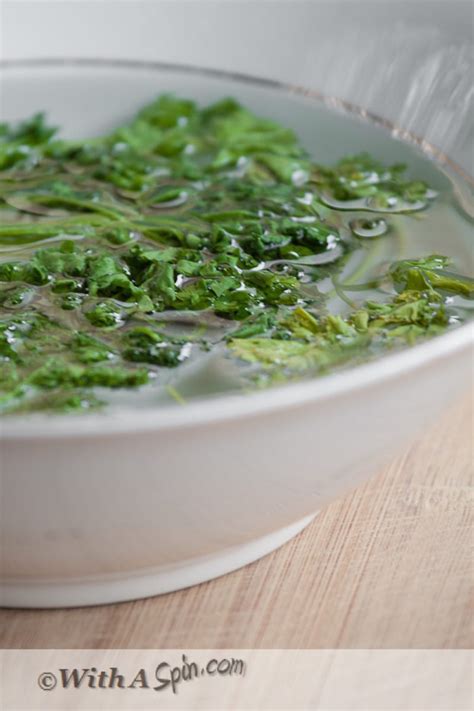
If your herbs are looking a little limp but not yet yellowed or slimy, you might be able to revive them. Trim the ends of the stems and place them in a glass of ice water for 30 minutes to an hour. This can often rehydrate them, bringing back their crispness. Always keep an eye out for mold or strong off-odors; once herbs have gone bad, it’s best to discard them.
Integrating Fresh Herbs into Gourmet Meals
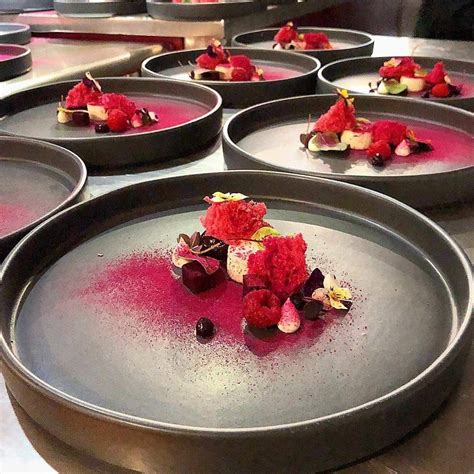
With a reliable method for keeping your herbs fresh, you’ll find yourself reaching for them more often. Don’t limit their use to just garnishes; infuse them into oils, chop them into marinades, whisk them into dressings, or fold them into risottos and pasta dishes. The vibrant flavors of perfectly preserved herbs will undeniably elevate your home cooking to gourmet levels, making every meal a celebration of taste and aroma.
Conclusion: Elevate Your Culinary Creations
By implementing these simple yet effective herb storage techniques, you can significantly extend the life of your fresh herbs, reducing waste and ensuring a constant supply of potent flavors for your kitchen. No more compromising on taste with dried alternatives when fresh is truly best. Embrace these methods, and watch as your gourmet meals become even more extraordinary, bursting with the unparalleled vibrance and aroma that only fresh herbs can provide.