




How to keep vibrant produce fresh longer for stunning food photography?

The Importance of Freshness in Food Photography
In the world of food photography, the visual appeal of your subjects is paramount. Vibrant, crisp, and fresh produce doesn’t just look delicious; it tells a story of quality, vitality, and natural beauty. Wilting greens, dull fruits, or shriveled vegetables can instantly detract from an otherwise well-composed shot, making your dish look unappetizing. This guide delves into practical strategies to extend the life and maintain the pristine appearance of your produce, ensuring your food photography always stands out.

Smart Shopping & Immediate Care: The First Step to Longevity
The journey to long-lasting produce begins even before you get home. When selecting items, look for firm textures, bright colors, and an absence of blemishes, soft spots, or excessive moisture. Avoid pre-cut or damaged produce as it degrades much faster. Once home, resist the urge to wash everything immediately. Most produce benefits from being stored dry and washed only right before use. Excess moisture can accelerate spoilage and mold growth.
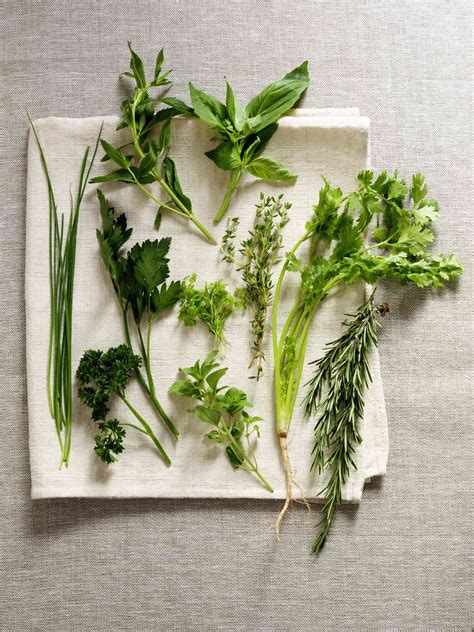
For leafy greens and herbs, a gentle pat dry with a paper towel and storing them loosely wrapped in a damp paper towel inside a plastic bag or airtight container can significantly prolong their crispness. Berries, on the other hand, should be spread out in a single layer on a paper towel-lined container to prevent bruising and moisture build-up.
Mastering Storage Techniques for Peak Freshness
Refrigeration Strategies
Understanding which produce belongs in the fridge and where is key. Most fruits and vegetables thrive in the crisper drawers, but segregation is important. The “high humidity” drawer is ideal for leafy greens, broccoli, carrots, and other vegetables that wilt easily. The “low humidity” drawer is better for fruits and vegetables that emit ethylene gas, such as apples, pears, and some stone fruits, which can cause other produce to ripen and spoil faster. Always store them separately from ethylene-sensitive items.
Room Temperature Heroes
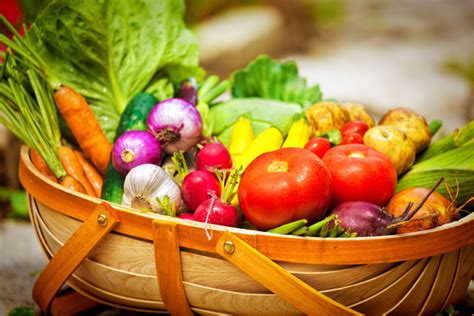
Not everything belongs in the cold. Tomatoes, potatoes, onions, garlic, and bananas prefer to be stored at room temperature, away from direct sunlight. Storing them in a cool, dark, well-ventilated space helps prevent sprouting in potatoes and onions, and maintains the flavor and texture of tomatoes.
Pre-Shoot Preparation & Revitalization
Even with perfect storage, sometimes produce needs a little boost before its close-up. For wilted greens or herbs, an ice bath can work wonders. Submerge them in a bowl of ice water for 15-30 minutes; they’ll often perk up dramatically. For firmer vegetables like carrots or celery, a quick trim of the ends and a soak in cold water can rehydrate them. Always wash produce thoroughly right before you’re ready to shoot, using cold water to keep it firm.
A fine misting spray bottle filled with water can also be a food photographer’s best friend on set, used sparingly to add a dewy, fresh look to fruits and vegetables just before the shutter clicks.

On-Set Strategies for Sustained Vibrancy
Once you’re ready to shoot, efficiency is key. Work quickly to minimize the produce’s exposure to air and light, which can accelerate degradation. Handle items gently to avoid bruising. If you’re working with delicate herbs or cut fruits that oxidize quickly (like apples or avocados), prepare them last or have a small bowl of lemon water nearby for a quick dip to prevent browning.
Consider using stand-ins for initial lighting and composition setup, only bringing in your pristine hero produce when you’re almost ready for the final shots. This reduces unnecessary handling and exposure.

Conclusion
Capturing the essence of fresh produce in stunning food photography is an art that begins long before the camera shutter clicks. By implementing smart shopping habits, mastering proper storage techniques, and employing savvy pre-shoot and on-set strategies, you can significantly extend the life and visual appeal of your ingredients. These efforts ensure your culinary creations always look as vibrant and delicious as they taste, elevating your food photography to a professional standard.