



How to keep vibrant colors in cooked veggies for beautiful plating?

The visual appeal of a dish is just as important as its taste, and vibrant, colorful vegetables are key to creating stunning culinary presentations. Dull, drab veggies can detract from even the most delicious meal. But how do professional chefs manage to keep their greens bright, their reds bold, and their yellows sunny even after cooking? It’s a combination of science and technique that’s surprisingly easy to master.
The Science Behind Vegetable Colors
Understanding what gives vegetables their color is the first step to preserving it. The primary pigments are chlorophyll (greens), carotenoids (yellows, oranges, reds), and anthocyanins (reds, purples, blues). Each reacts differently to heat, pH levels, and cooking methods. Chlorophyll, for instance, is highly sensitive to acid and prolonged heat, which can break it down into pheophytin, turning vibrant green to an unappetizing olive-brown. Carotenoids are more stable under heat, while anthocyanins can shift dramatically with changes in pH, turning redder in acidic conditions and bluer/purpler in alkaline ones.
Mastering Essential Color Retention Techniques
Blanching and Shocking: The Green Vegetable Secret
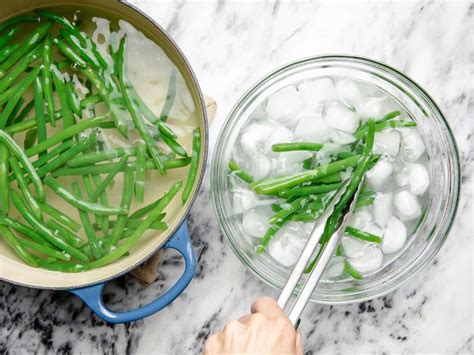
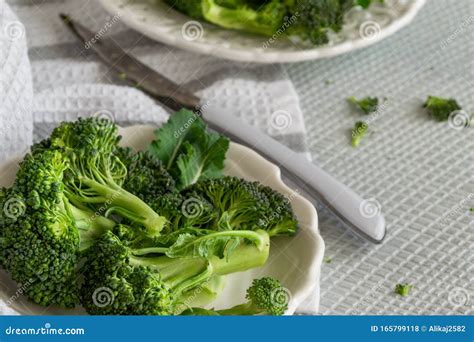
For most green vegetables like broccoli, asparagus, green beans, and spinach, blanching followed by an ice bath (shocking) is the gold standard. This process briefly cooks the vegetables, locking in their vibrant green color by denaturing enzymes that cause browning and enhancing the chlorophyll. The ice bath immediately stops the cooking process, preventing overcooking and further color degradation.
Quick Cooking Methods
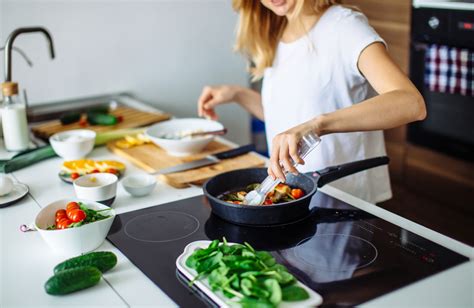
Minimizing cooking time is crucial for preserving color and nutrients across all vegetables. Methods like stir-frying, steaming, and quick sautéing expose vegetables to heat for the shortest duration possible. High heat for a short time helps to set the color without overcooking, maintaining crispness and brightness.
Balancing pH: Acid vs. Alkali
The pH of your cooking liquid can dramatically impact vegetable color. For green vegetables, avoid cooking with acidic ingredients like vinegar or lemon juice until serving, as they can quickly dull the green. However, a pinch of baking soda (alkali) can sometimes enhance green color, though it can also make vegetables mushy and destroy nutrients if overused. For red and purple vegetables (like red cabbage or beets), adding a touch of acid (like lemon juice or vinegar) can intensify their vibrant red and purple hues, preventing them from turning blue or dull.

Preventing Overcooking
Perhaps the most common culprit for dull vegetables is simply overcooking. Vegetables lose their crispness, nutrients, and, most visibly, their vibrant color when cooked for too long. Aim for al dente—tender-crisp—for most varieties. This not only preserves their visual appeal but also their texture and nutritional value.
Pre-Cooking Preparation for Success
The journey to vibrant veggies starts before they even hit the pan. Always opt for the freshest produce you can find. Older vegetables naturally lose some of their pigment intensity. Wash vegetables thoroughly and cut them uniformly to ensure even cooking, preventing some pieces from overcooking while others remain undercooked.
Post-Cooking & Plating Considerations
Once cooked, serve vegetables immediately to enjoy them at their peak color and texture. If preparing in advance, ensure they are properly cooled and stored to prevent further cooking or oxidation. When plating, arrange colorful vegetables thoughtfully to create contrast and visual interest, making your dish truly pop.

Specific Tips for Different Vegetable Colors
- Green Vegetables (e.g., spinach, broccoli, snap peas): Always blanch and shock. Avoid prolonged cooking and acidic environments.
- Red/Purple Vegetables (e.g., red cabbage, beets, red onions): A touch of acid (vinegar, lemon juice) can enhance their color. Cook gently to maintain integrity.
- Orange/Yellow Vegetables (e.g., carrots, bell peppers, corn): These are generally more stable. Quick cooking methods like roasting or sautéing work well.

Conclusion
Transforming dull vegetables into dazzling components of your meal is an attainable skill. By understanding the science of pigments, employing techniques like blanching, quick cooking, and mindful pH management, and prioritizing fresh ingredients, you can consistently achieve beautifully vibrant vegetables that elevate your plating and delight the senses. Experiment with these tips, and watch your dishes come alive with color!