




How do real foodies keep fresh herbs vibrant for visually stunning dishes?

Fresh herbs are the unsung heroes of magnificent culinary creations. They infuse dishes with unparalleled flavor and aroma, but their visual impact—a burst of vibrant green, purple, or red—is equally crucial for a truly stunning presentation. A wilting sprig of parsley or dull basil leaves can diminish even the most meticulously prepared meal. So, how do seasoned foodies maintain that ‘just picked’ freshness, ensuring their garnishes and ingredients remain lively and appealing?
The Art of Freshness: Why It Matters Beyond Taste
For a true foodie, cooking is an art form that engages all the senses. While flavor and aroma are paramount, the visual appeal of a dish speaks volumes before the first bite is even taken. Vibrant, crisp herbs elevate a plate from merely delicious to truly extraordinary. They add contrast, texture, and a touch of organic elegance that signals freshness and care. This attention to detail is what sets a memorable meal apart, making herb preservation an essential skill in any discerning kitchen.

Foundational Principles for Herb Longevity
Before diving into specific methods, a few universal rules apply to almost all fresh herbs. First, handle them gently; bruising accelerates spoilage. Second, avoid washing them until just before use, unless explicitly instructed by a storage method. Excess moisture is the enemy of freshness, promoting rot and mold. If you do wash them for immediate storage, ensure they are thoroughly dried using a salad spinner or by gently patting them with paper towels. Air circulation is also key, so never pack herbs too tightly.
Tailored Storage Methods for Different Herb Types
Not all herbs are created equal, and their ideal storage varies significantly:
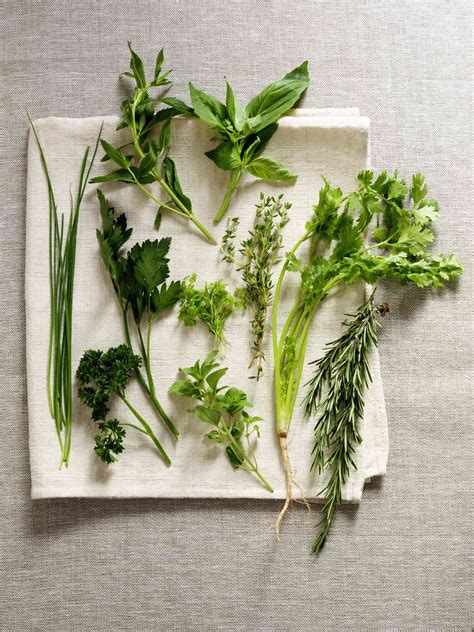
Soft Herbs (Cilantro, Parsley, Basil, Mint, Dill, Tarragon)
These delicate herbs thrive on hydration. The best method mimics a bouquet of flowers:
- Trim about an inch off the bottoms of the stems.
- Place the herbs stem-down in a glass jar or vase with about an inch of fresh water.
- For most soft herbs (parsley, cilantro, dill), cover the leaves loosely with a plastic bag (like a produce bag) and refrigerate. Change the water every 1-2 days.
- Basil is an exception: it hates the cold. Store it on the counter away from direct sunlight, uncovered or very loosely covered, changing the water daily. Refrigerating basil will turn its leaves black.
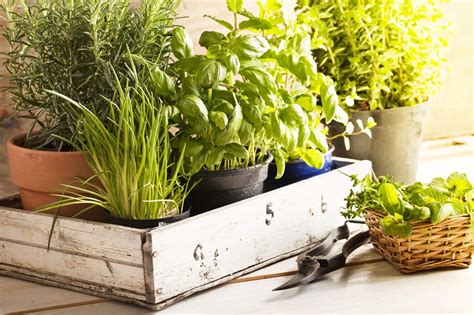
Hardy Herbs (Rosemary, Thyme, Oregano, Sage, Chives, Bay Leaves)
These herbs are more robust and prefer a drier environment:
- Wrap the unwashed herbs loosely in a slightly damp paper towel.
- Place the wrapped herbs inside a resealable plastic bag or an airtight container.
- Store in the refrigerator. The damp towel provides just enough moisture without promoting mold.
Beyond the Fridge: Advanced Techniques for Long-Term Freshness
Sometimes, you have an abundance of herbs and want to preserve them for longer than a week or two. Freezing is an excellent option:
- Herb Ice Cubes: Finely chop herbs like parsley, cilantro, or basil. Pack them into ice cube trays, then fill with olive oil, melted butter, or water. Freeze until solid, then transfer the cubes to a freezer-safe bag or container. These are perfect for adding flavor to soups, stews, and sauces.
- Blanching & Freezing: For some herbs (like basil or parsley), blanching quickly in boiling water for 10-15 seconds then shocking in ice water can help preserve their color before freezing whole or chopped in freezer bags.

Common Mistakes That Lead to Wilting Woes
Even with the best intentions, herbs can quickly lose their luster. Avoid these common pitfalls:
- Overwashing and Not Drying: Excess moisture invites mold and rot.
- Storing Too Cold or Too Warm: Basil’s dislike for the fridge is a prime example.
- Airtight Containers Without Air: While good for hardy herbs, soft herbs in water need some air circulation.
- Storing Near Ethylene Producers: Fruits like apples, bananas, and tomatoes release ethylene gas, which ripens (and spoils) nearby produce, including herbs.

Reviving Wilting Herbs & Presentation Tips
If your herbs look a little sad but aren’t entirely gone, an ice bath can work wonders. Trim the ends and submerge the herbs in a bowl of ice water for 15-30 minutes. The cold water will help them rehydrate and perk up.
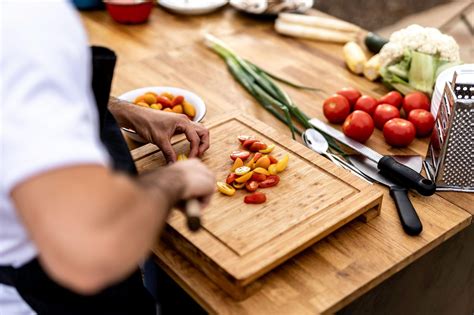
When it comes to presentation, remember that fresh herbs are both flavor and garnish. A final sprinkle of finely chopped chives on a creamy soup, a vibrant sprig of rosemary tucked alongside roasted vegetables, or delicate cilantro leaves scattered over tacos can transform a dish. Always add fresh, delicate herbs at the very end of cooking or as a garnish to preserve their color, texture, and aroma.

Conclusion: Elevate Your Culinary Creations
Mastering the art of herb preservation is a hallmark of a truly skilled foodie. By understanding the unique needs of different herb varieties and implementing smart storage techniques, you can ensure your kitchen is always stocked with vibrant, fresh garnishes ready to transform any dish. Not only will your food taste better, but its visual appeal will reach new heights, making every meal a feast for the eyes as well as the palate.