




How to keep fresh herbs vibrant longer for gorgeous foodie dishes?

Elevate Your Culinary Creations with Lasting Freshness
Fresh herbs are the soul of many gourmet dishes, providing bright flavors, vibrant colors, and intoxicating aromas. Yet, all too often, these delicate greens wilt and lose their vitality mere days after purchase, turning your culinary dreams into a race against time. Fear not, home cooks and food enthusiasts! With a few simple techniques, you can extend the life of your fresh herbs, ensuring they remain crisp, fragrant, and ready to transform your meals into extraordinary experiences.

The Golden Rules of Herb Preservation
Before diving into specific methods, understanding a few universal principles will dramatically improve your success rate:
- Handle with Care: Herbs are delicate. Avoid bruising them, as this accelerates spoilage.
- Keep Dry (Mostly): Excess moisture can lead to mold and rot. While some methods involve water, the leaves themselves often need to be dry.
- Trim Stems: Just like cut flowers, trimming the stems allows for better water absorption when needed.
- Avoid Extreme Temperatures: Freezing can damage delicate leaves, and too much warmth encourages wilting.
Method 1: The “Bouquet” Approach for Tender Herbs
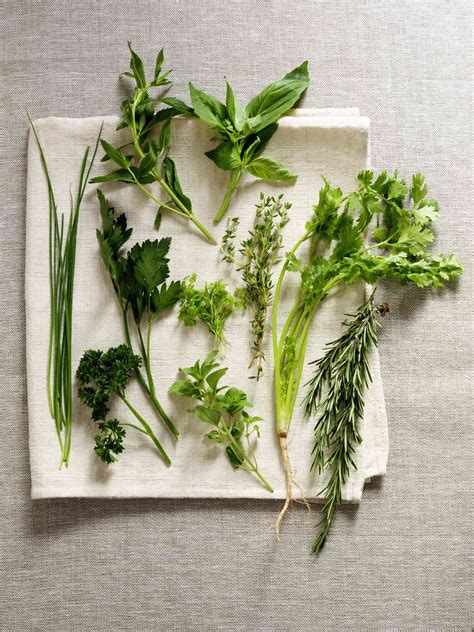
Tender herbs like cilantro, parsley, basil, mint, dill, and tarragon thrive when treated like a floral bouquet. This method keeps them hydrated without making the leaves soggy.
- Trim Stems: Snip off about an inch from the bottom of the stems. Remove any lower leaves that would be submerged in water.
- Water Bath: Place the trimmed herbs upright in a glass or jar with about an inch of fresh, cool water, similar to flowers.
- Cover & Refrigerate: For most tender herbs (excluding basil), loosely cover the entire setup with a plastic bag (e.g., a produce bag or Ziploc bag) to create a humid microclimate. Place in the refrigerator.
- Basil Exception: Basil prefers room temperature. Keep it on your countertop, away from direct sunlight, and only cover with a plastic bag if your home is very dry. Refrigeration can cause basil leaves to blacken.
- Change Water: Change the water every day or two to prevent bacterial growth.
Method 2: The “Burrito” Wrap for Hardy Herbs
Hardy herbs such as rosemary, thyme, oregano, chives, sage, and bay leaves prefer a slightly different approach. They don’t need constant hydration from a water bath, but rather a consistently damp environment.
- Wash & Dry: Gently wash the herbs if necessary, then thoroughly dry them using a salad spinner or by patting them carefully with paper towels. Excess moisture is the enemy here.
- Damp Paper Towel: Lay the herbs flat on a slightly damp (not soaking wet) paper towel.
- Roll & Refrigerate: Gently roll them up into a “burrito” and place the wrapped herbs inside a resealable plastic bag or an airtight container. Store in the refrigerator.
- Check Periodically: Check the paper towel every few days and re-dampen if it starts to dry out.

Beyond Fresh: Freezing for Long-Term Storage
When you have an abundance of herbs or want to preserve their flavor for months, freezing is an excellent option.
- Herb Cubes in Oil: Chop herbs finely and pack them into ice cube trays. Cover with olive oil or melted butter, then freeze. Once solid, transfer the cubes to a freezer-safe bag. These are perfect for starting soups, sauces, or sautéing vegetables.
- Blanched & Frozen: For herbs like parsley or cilantro, you can blanch them briefly, cool in an ice bath, dry thoroughly, then chop and freeze in freezer bags.
- Whole Leaf Freezing: Some hardy herbs (like rosemary or thyme) can be frozen directly on their stems in freezer bags, though they might lose some texture when thawed.

Reviving Slightly Wilted Herbs
Accidentally let your herbs wilt a little? Don’t despair! A quick ice bath can often bring them back to life. Trim the stems, place the herbs in a bowl of ice water for 15-30 minutes, and watch them perk up. This works particularly well for parsley, cilantro, and mint.
Conclusion: Savor Every Sprig
With these simple yet effective strategies, you can significantly extend the freshness and vibrancy of your culinary herbs. No more sad, soggy greens languishing in your fridge! By investing a few minutes in proper storage, you’ll ensure that every dish you create is infused with the bright, aromatic essence that only truly fresh herbs can provide. Get ready to elevate your foodie creations and savor the difference!