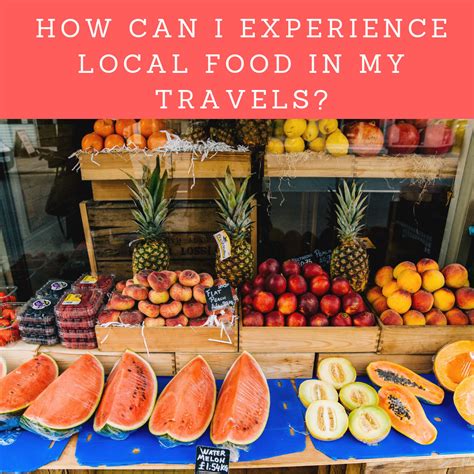





How do real foodies find authentic local eats & capture them beautifully?
The Quest for Unforgettable Flavors
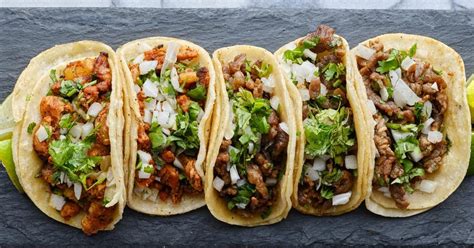
For true food enthusiasts, the quest for authentic local flavors is more than just eating; it’s an immersive cultural journey. It’s about diving deep into a destination’s culinary soul, far from tourist traps, to discover the dishes that tell a story, prepared by hands that carry generations of tradition. But how do these culinary adventurers unearth these hidden gems, and once found, how do they preserve the moment with stunning photography?
Unearthing Local Culinary Treasures
The journey begins with diligent research, often long before packing bags. Forget generic guidebooks; real foodies tap into local blogs, niche food forums, and social media groups where residents share their favorite haunts. Geo-tagged posts on Instagram, specific hashtags, and even food-focused travel shows can provide initial leads. However, the most potent tool remains direct human interaction.

Engaging with locals – hotel staff, taxi drivers, shopkeepers – can unlock a treasure trove of recommendations that no algorithm can match. They know the unassuming spots, the bustling markets, and the hole-in-the-wall eateries that serve truly authentic fare.
Venturing Off the Beaten Path
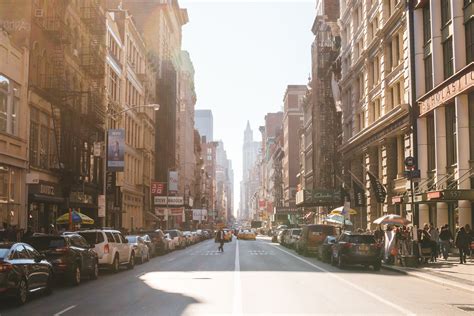
Authenticity rarely resides on the main thoroughfare. Foodies often embrace the unknown, wandering through side streets, exploring vibrant markets, and following their noses to enticing aromas. These are the places where grandmothers still cook family recipes, where street vendors have perfected a single dish over decades, and where the decor is secondary to the deliciousness. Don’t be afraid to try places where menus are in the local language, or where you’re the only tourist; these are usually the best indicators of a genuine experience.
Mastering the Art of Food Photography
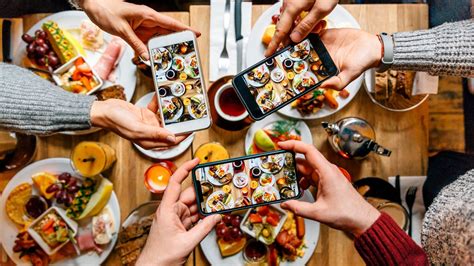
Once the authentic dish is found, the next step is to capture its essence beautifully. This isn’t just about snapping a picture; it’s about telling a story.
Lighting is Your Best Friend
Natural light is a food photographer’s best friend. Seek out window seats, outdoor tables, or indirect light sources that illuminate the food without harsh shadows. Avoid using flash, which flattens textures and washes out colors.
Composition Matters for Impact
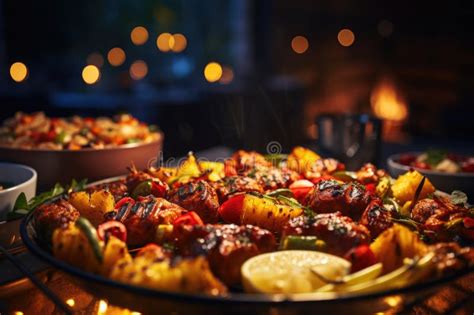
Think about angles. Overhead shots work well for colorful spreads, while eye-level shots highlight height and texture. Use leading lines, the rule of thirds, and negative space to draw the viewer’s eye. Don’t be afraid to get close to capture details like glistening sauces or crispy textures.
Context and Storytelling
A beautiful shot of food alone is good, but including elements that provide context makes it great. A glimpse of the local street scene, the hands preparing the dish, or the vibrant market stalls can add depth and narrative to your photos, transporting the viewer to the experience.
Ethical Considerations and Respect
Always be mindful of your surroundings and the people working and dining around you. Ask permission before photographing people, especially in more intimate settings. Be quick and discreet; the primary goal is to enjoy the meal, not turn it into a photoshoot marathon. Respect the culture, the space, and the people who make these culinary experiences possible.
Conclusion: The Full Foodie Experience
The pursuit of authentic local eats and the art of capturing them is a deeply rewarding endeavor for any foodie. It’s a blend of adventurous spirit, cultural curiosity, and a keen eye for beauty. By embracing local insights, venturing beyond the obvious, and approaching food photography with respect and artistry, real foodies transform simple meals into unforgettable memories and inspiring visual tales for others to savor.