




Best techniques to retain vibrant color in roasted vegetables for plating?

The Art of Preserving Color in Roasted Vegetables
Roasted vegetables are a staple for many meals, offering a delightful combination of caramelized flavors and tender textures. However, often the beautiful, vibrant colors of fresh produce can dull or brown during the roasting process, leading to a less appealing dish, especially when presentation is key. Retaining those bright hues is not just about aesthetics; it often signifies proper cooking and nutrient preservation. Mastering this art ensures your roasted vegetables are as visually stunning as they are delicious.

Start with the Right Vegetables and Preparation
The journey to vibrant roasted vegetables begins even before they hit the oven. Opt for the freshest produce available, as older vegetables tend to lose their natural vibrancy quicker. Wash and dry them thoroughly; any residual moisture can steam the vegetables instead of roasting them, leading to dullness. Cut vegetables into uniform sizes to ensure even cooking. Smaller, delicate vegetables might require less time or a slightly different approach than heartier ones.
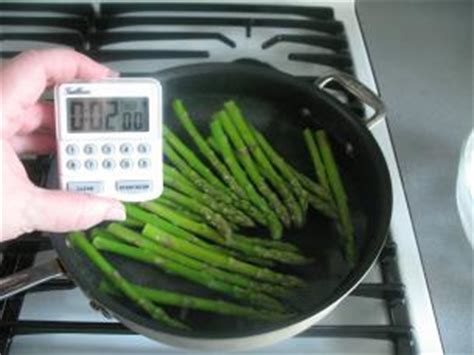
For some vegetables, a quick blanch or par-boil can be a game-changer. This technique involves briefly submerging vegetables in boiling water, then immediately shocking them in an ice bath. This process sets their color, breaks down some cell walls for quicker roasting, and prevents over-browning. Broccoli, green beans, and asparagus particularly benefit from this pre-treatment, emerging from the oven with their vivid greens intact.
Mastering Roasting Temperature and Technique
High heat is your ally when it comes to vibrant roasting. A hot oven (typically 400-450°F or 200-230°C) allows vegetables to caramelize quickly on the exterior without overcooking and dulling the interior. Avoid low temperatures that lead to prolonged cooking times and steaming. The goal is a quick sear and tender interior.
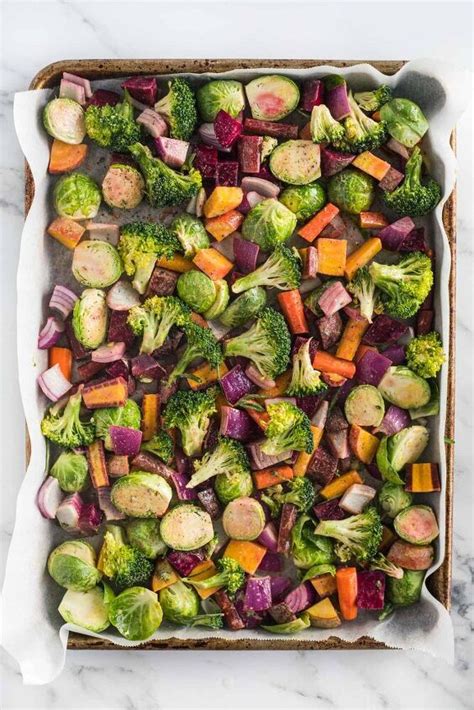
Crucially, do not overcrowd your baking sheet. Vegetables need space to breathe. When a sheet pan is too full, moisture released from the vegetables gets trapped, steaming them instead of roasting, resulting in soggy, dull produce. Always roast in a single layer, using multiple pans if necessary. This promotes air circulation and direct contact with the hot pan, essential for that beautiful Maillard reaction and color retention.
Fat Choice, Acid, and Finishing Touches
The type of fat you use matters. Neutral-flavored oils with a high smoke point, like avocado oil, grapeseed oil, or a good quality olive oil, are excellent choices. They coat the vegetables evenly, facilitate browning, and allow the natural colors to shine without imparting a dominant flavor.
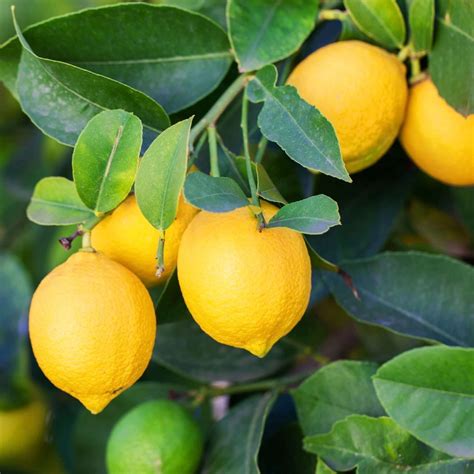
Adding a touch of acid towards the end of roasting or just before serving can significantly brighten colors. A squeeze of lemon juice or a drizzle of vinegar (such as white wine or apple cider vinegar) can lift and enhance the natural pigments. Fresh herbs, tossed in during the last few minutes of roasting or sprinkled on top after, not only add flavor but also a fresh pop of green, further accentuating the vibrancy of the vegetables.
Finally, timing is everything for plating. Serve roasted vegetables immediately after cooking. Letting them sit for too long, especially if covered, can cause them to lose their crispness and vibrancy. If you must prepare them ahead, undercook them slightly and reheat quickly just before serving.
Plating for Maximum Visual Impact
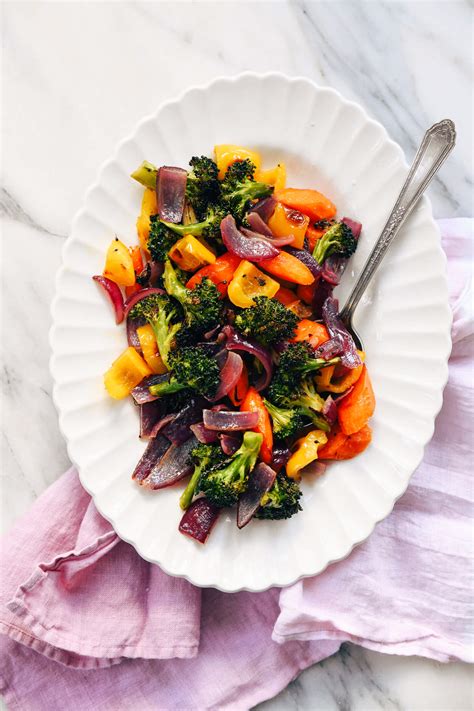
When it comes to plating, arrange your vibrant roasted vegetables thoughtfully. Consider contrasting colors and textures. A sprinkle of flaky sea salt, a grind of fresh black pepper, or a garnish of finely chopped parsley or chives can provide that final visual flourish. The effort you put into retaining their color will truly pay off when they grace your table, looking as appetizing as they taste.
Conclusion
Retaining the vibrant color of roasted vegetables is an achievable goal with the right techniques. From careful selection and preparation to precise temperature control, avoiding overcrowding, and smart finishing touches, each step plays a vital role. Embrace these methods, and your roasted vegetables will consistently be a feast for both the eyes and the palate, enhancing any meal or plating presentation.