




What visual clues help foodies find authentic hidden gems, not tourist traps?

For any true foodie, the quest for an authentic culinary experience is paramount. Yet, navigating unfamiliar cities can be a minefield of over-priced, under-flavored tourist traps. How do you distinguish a genuine local gem from a cleverly disguised money-maker? The secret lies in sharp observation – picking up on subtle visual clues that only the locals truly understand.
The Locals’ Lens: Observing the Clientele
One of the most telling indicators is the crowd inside. A restaurant packed with locals, especially families and elders, is almost always a good sign. Observe their demeanor: are they comfortable, chatting animatedly, and seemingly regulars? Tourists, often armed with guidebooks and speaking foreign languages, are easy to spot. While a healthy mix can be fine, a place dominated by a tourist demographic often suggests a compromised experience, catering to transient tastes rather than authentic local flavors.
Menu Mastery: Reading Between the Lines
The menu itself offers a wealth of clues. Authentic eateries often have shorter, more focused menus, specializing in a few dishes they excel at. Look for menus primarily in the local language, perhaps with a smaller, less prominent English translation. Overly glossy, multi-page menus with dozens of pictures of every dish (especially if they look too perfect) can be a red flag, designed to appeal to a broad, often unadventurous, tourist palate. Pay attention to pricing too; inflated prices, especially for basic local fare, are a clear sign you might be in a trap.
Hand-written specials or daily rotating dishes scribbled on a board are excellent indicators of freshness and seasonality, a hallmark of genuine local establishments.
Ambiance and Decor: Beyond the Facade
While cleanliness is always appreciated, be wary of places that feel overly polished, sterile, or have generic ‘local’ themed decor that seems designed to impress. Authentic hidden gems often have a lived-in, unpretentious feel. The decor might be simple, traditional, or even a little worn – reflecting years of serving the community. Look for genuine artifacts, local art, or family photos rather than mass-produced ‘ethnic’ trinkets. The lighting might be simple, the tables sturdy, and the overall atmosphere relaxed rather than overtly curated.

The Dish Itself: Visual Cues on the Plate
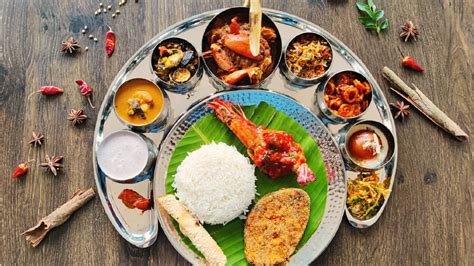
Once the food arrives, visual assessment continues. Authentic dishes often prioritize flavor and substance over elaborate, overly artistic presentation. Portions might be generous, reflecting a home-style approach. Look for fresh, vibrant ingredients and preparations that align with traditional regional styles. Are the dishes being served on other tables what you would expect locals to eat? If every table has a generic pizza in a region known for its seafood, it’s a warning sign. The aroma alone can also be a powerful clue – fresh, robust, and inviting, rather than bland or artificial.

Location, Signage, and Subtle Details
Often, the best spots are slightly off the main thoroughfares, tucked away on a side street or down an unassuming alley. Big, flashy signs in multiple languages are often a beacon for tourists. Instead, look for modest, perhaps hand-painted, signage. Even small details, like simple, utilitarian table settings (no elaborate place cards or fancy folded napkins), a stack of local newspapers at the entrance, or the staff interacting casually with patrons, contribute to the authentic vibe. These are places that don’t need to try too hard to attract customers; their reputation speaks for itself.

Ultimately, finding an authentic hidden gem is an art form, a thrilling part of the food adventure. By training your eyes to spot these visual clues, you’ll be better equipped to bypass the tourist traps and uncover the true culinary heart of any destination, savoring flavors that tell a genuine story.