



What specific visual bite style best balances gourmet appeal with ‘real foodies’ authenticity?
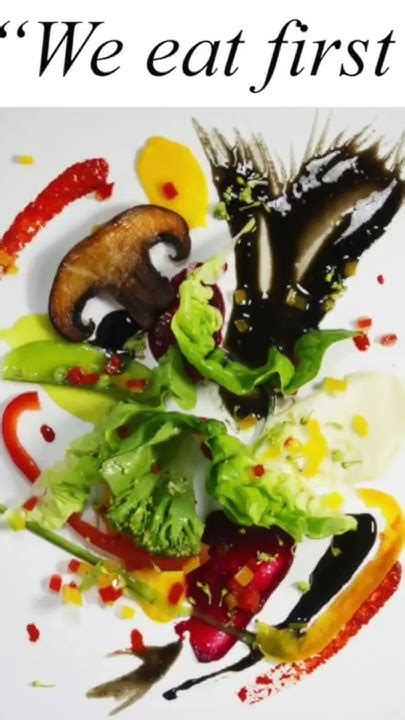
The Culinary Visual Tightrope: Gourmet vs. Authentic
In today’s visually-driven culinary landscape, food presentation is paramount. However, striking the right balance between the polished perfection of gourmet appeal and the relatable, ‘real foodies’ authenticity can feel like a tightrope walk. On one side, hyper-stylized, meticulously arranged dishes risk feeling unapproachable or artificial. On the other, overly rustic or unrefined visuals might fail to convey the quality and artistry of the dish. The sweet spot lies in a specific visual style that invites engagement, celebrates ingredients, and truly tells a culinary story.
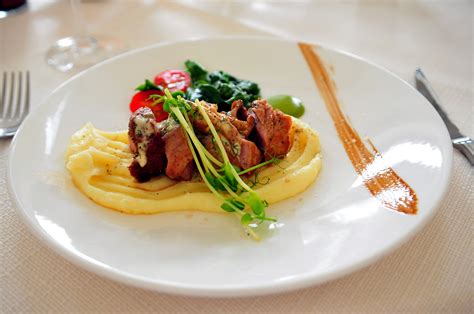
Defining the Poles: What Do They Look Like?
Gourmet Appeal: This often involves precise plating, vibrant color contrasts, elegant dishware, and a sense of refined artistry. Every element is deliberately placed, suggesting high culinary skill and attention to detail. Think Michelin-star presentations – often minimalist, sculptural, and pristine.
‘Real Foodies’ Authenticity: This leans into approachability, naturalness, and the story behind the food. It’s about showcasing texture, freshness, and the inherent deliciousness without excessive fuss. It might feature slight imperfections, close-ups of ingredients, and a sense of ‘just cooked’ warmth. It connects with an audience that values honest, unpretentious, yet high-quality food experiences.
The Art of Harmonious Visuals: Strategies for Balance
Achieving this balance requires a strategic approach that blends elements from both worlds. It’s about creating visuals that are aspirational yet attainable, sophisticated yet sincere.
1. Rustic Elegance and Artful Disarray
This style embraces a sense of ‘controlled chaos.’ It’s not perfectly symmetrical, but thoughtfully composed. Imagine a dollop of sauce with a slight, appealing smear, or herbs scattered seemingly at random but in an aesthetically pleasing pattern. Use natural textures like linen, wood, or handcrafted ceramics. This adds a layer of warmth and a handmade feel without sacrificing quality.
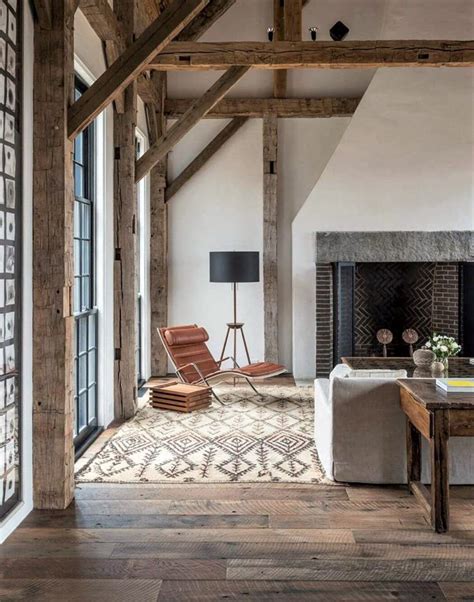
2. The Power of Natural Light and Honest Composition
Ditch harsh studio lights for soft, diffused natural light whenever possible. This brings out the true colors and textures of the food, making it look more appetizing and less artificial. In terms of composition, while still applying principles like the rule of thirds, allow for a more organic feel. Don’t be afraid of close-ups that highlight a specific ingredient or a succulent bite, inviting the viewer to imagine the taste.

3. Emphasizing Texture and Ingredient Integrity
The ‘real foodies’ audience appreciates seeing the ‘realness’ of food. Focus on showcasing crispy edges, juicy interiors, flaky crusts, or the vibrant marbling of meat. Use macro shots to highlight the intricate details of fresh herbs, spices, or the caramelized crust of a roast. The goal is to make the food look truly edible and desirable, celebrating its natural state rather than transforming it into an abstract art piece.
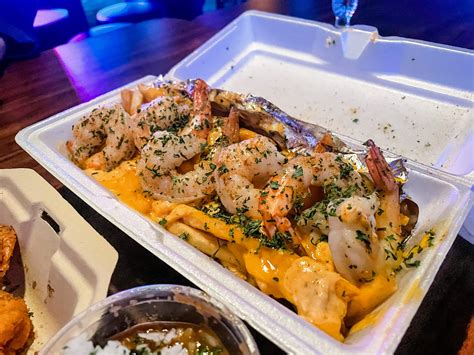
4. Subtle Storytelling Through Props and Context
Incorporate props that add a narrative without overshadowing the food. A vintage fork, a hand reaching for a piece of bread, a cutting board with a few crumbs, or a linen napkin can ground the image in reality. These elements suggest a human connection, a moment of enjoyment, and the artisanal journey of the food, reinforcing authenticity while still maintaining a refined aesthetic.
Pitfalls to Avoid
Steer clear of overly saturated colors, excessive filtering, or artificial styling that makes the food look plastic or unappetizing. Also, avoid layouts that are too sparse or sterile, as they can come across as cold and impersonal. The objective is to make the food feel inviting and accessible, not intimidatingly perfect.

Conclusion: An Invitation to Indulge
The visual bite style that best balances gourmet appeal with ‘real foodies’ authenticity is one that is artfully composed yet naturally presented. It is sophisticated without being pretentious, showcasing culinary excellence through honest textures, inviting natural light, and subtle storytelling. Ultimately, it’s about creating visuals that don’t just display food, but invite viewers to experience it—to taste the quality, feel the warmth, and connect with the passion behind every dish.