




How do real foodies visually spot authentic local culinary gems?

For the true culinary adventurer, finding authentic local food isn’t just about reading reviews; it’s an art of keen observation. Real foodies develop a sharp eye for visual cues that distinguish a genuine local gem from a tourist trap. It’s about more than just taste; it’s about the entire sensory experience, starting long before the first bite.
The Buzz of Local Life: Observing the Patrons
One of the most immediate indicators of an authentic eatery is its clientele. Look for a bustling place predominantly filled with locals – families, elders, and workers from the neighborhood. A restaurant packed with residents speaking the local language, rather than a disproportionate number of tourists with guidebooks, is a strong sign you’ve hit gold. The atmosphere should feel lively but unpretentious, reflecting the daily rhythm of the community.
Pay attention to the turnover: are people eating and leaving, or are tables sitting empty for long stretches? A steady flow suggests popular, reliable food. Also, notice the demographic; a truly local spot often caters to a wide age range, indicating it’s a long-standing community favorite, not just a fleeting trend.
Visual Cues from the Establishment Itself
Authenticity often shies away from flashy facades. Many genuine culinary treasures are found in unassuming, even slightly rundown, buildings. A lack of elaborate signage or polished decor can be a good sign; it often means they invest more in the quality of the food than the presentation of the establishment. Inside, look for well-worn tables, simple chairs, and decor that feels functional and rooted in local culture, rather than generic or overly themed.
An open kitchen or a visible cooking area, where you can see the chefs at work, also signals transparency and confidence in their craft. It allows you to witness the preparation, the freshness of ingredients, and the traditional techniques being employed.

The Signs of a Serious Menu
The menu itself offers a treasure trove of visual clues. Often, authentic local spots feature concise, focused menus rather than sprawling, multi-cuisine offerings. A shorter menu typically means they specialize in a few dishes, perfecting them over time. Look for handwritten additions, daily specials, or seasonal changes, which indicate fresh ingredients and a chef responsive to availability.
The language used on the menu can also be telling. If it’s primarily in the local language with perhaps a small, less prominent English translation (or none at all!), it’s a strong indicator that their primary audience is local. Avoid places with overly photoshopped, generic pictures of food; real gems often rely on word-of-mouth and the inherent appeal of their traditional dishes.

Observing the Kitchen and Staff
While an open kitchen is a bonus, even a glimpse into the cooking area or observing the staff can reveal a lot. Do the cooks appear focused and methodical? Is there a sense of organized chaos or calm efficiency? Authentic places often have a familial atmosphere among the staff, indicating a shared passion and long-standing teamwork. Look for cleanliness, but don’t be deterred by a lived-in feel; a sterile environment isn’t always a sign of better food, and sometimes indicates a lack of character.
The staff’s interaction with local patrons is also key. Do they greet regulars by name? Is there a genuine warmth and familiarity? These interactions signal a deep integration into the community, which is often a hallmark of true authenticity.

The Visual Language of the Food Itself
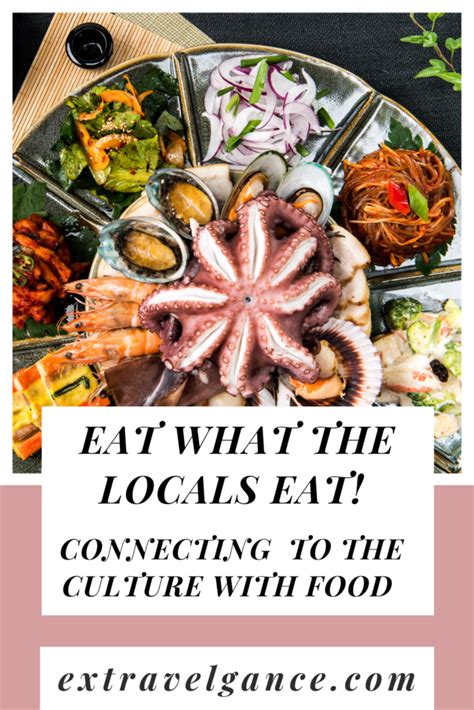
Finally, the most satisfying visual cues come from the food presented. Authentic dishes often embrace a rustic, honest presentation rather than overly manicured plating. Look for vibrant, fresh ingredients that speak for themselves. The colors should be natural and appealing, reflecting quality produce and skillful cooking. Portions might be generous, reflecting local customs of hospitality.
Observe what others are eating. Are the dishes varied, or are many people ordering the same signature item? Does the food look homemade, with unique regional touches? The steam rising, the aroma (even from a distance), and the way locals eagerly dig into their meals are all powerful visual confirmations that you’ve stumbled upon a truly authentic culinary treasure.

Spotting authentic local culinary gems is a skill honed through practice and keen observation. By paying attention to the crowd, the establishment’s character, the menu’s nuances, the staff’s engagement, and ultimately, the visual appeal of the food itself, you can unlock a world of genuine flavors and unforgettable food adventures that lie beyond the well-trodden tourist paths. Trust your foodie instincts; they rarely lead you astray.