



What camera angle best captures ‘yum factor’ for a Visual Bite food plating?
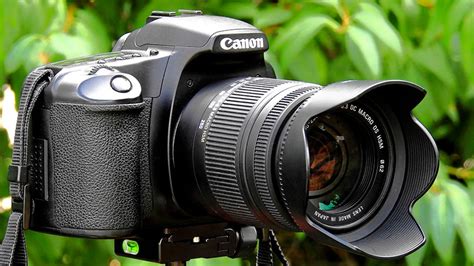
The Quest for the Irresistible: Unlocking the ‘Yum Factor’
Capturing the ‘yum factor’ in food photography is an art, especially when crafting ‘Visual Bites’ designed to tantalize and tempt viewers. It’s about more than just a pretty plate; it’s about conveying texture, freshness, aroma (implied), and the sheer deliciousness that makes someone want to reach out and take a bite. The camera angle you choose is paramount in achieving this, as each perspective emphasizes different aspects of your culinary creation.
Choosing the right angle can transform a mere photograph into an engaging experience. It’s about understanding what story you want to tell with your food and which angle best narrates that story. Let’s delve into the most effective angles and how they contribute to capturing that elusive ‘yum factor’.

The Overhead Shot (Flat Lay): Best for Composition & Variety
The overhead shot, or flat lay, positions the camera directly above the food, looking straight down at a 90-degree angle. This angle is superb for showcasing the entire arrangement of a dish, the relationship between different elements on a plate, or an entire spread of multiple dishes. It emphasizes patterns, colors, and the overall artistry of the plating.
While excellent for composition and context, the overhead shot sometimes struggles to convey the texture and dimensionality that scream ‘yum’ in a close-up. It’s fantastic for highlighting the breadth of ingredients or a well-organized bento box, but less so for the gooey cheese pull or the crispy skin of roasted chicken. Use it when the entire visual story of the plating and its components is key, especially for dishes with intricate patterns or a variety of garnishes spread across a flat surface.

The 45-Degree Angle: The Classic Sweet Spot
Often considered the workhorse of food photography, the 45-degree angle (or tabletop view) places the camera at an angle similar to how a person would naturally view their food while sitting at a table. This perspective strikes an excellent balance, allowing you to show off both the top of the dish and its front-facing side.
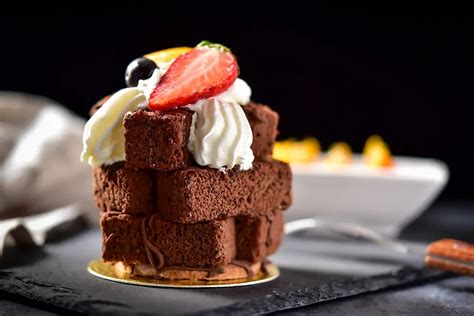
This angle excels at capturing depth, volume, and many of the textures that define the ‘yum factor’ – think layers in a cake, the height of a burger, or the glistening sauce coating a dish. It feels natural and inviting, making the food appear approachable and appealing. For most ‘Visual Bites,’ especially those with some verticality, the 45-degree angle is an incredibly safe and often superior choice for maximizing perceived deliciousness.
Eye-Level & Close-Up Shots: Intimacy and Texture
An eye-level shot positions the camera horizontally with the food, much like looking directly at someone across a table. This angle creates a sense of intimacy and highlights the dish’s profile, layers, and the captivating textures that are often missed from above. It’s perfect for showcasing towering desserts, sandwiches, or drinks where the side profile tells a crucial part of the story.
Taking this a step further, the close-up shot, often combined with an eye-level or 45-degree perspective, is a direct assault on the ‘yum factor’. By filling the frame with just a portion of the food, you magnify its most appealing qualities: the sheen of a glaze, the char on a grilled vegetable, the crumbly texture of a pastry, or the delicate condensation on a cold beverage. These macro details are incredibly powerful for evoking a sensory response and making the viewer crave the item.

Beyond the Angle: Lighting, Styling, and Depth of Field
While the camera angle is crucial, it’s part of a larger ecosystem that contributes to the ‘yum factor’. Good lighting – often natural, soft, and directional – accentuates textures and creates appealing highlights and shadows. Thoughtful food styling, ensuring freshness and appealing presentation, is non-negotiable. Furthermore, using a shallow depth of field (blurry background) can draw the viewer’s eye precisely to the most delicious part of the ‘Visual Bite’, isolating it and making it pop with irresistible clarity.
Ultimately, the ‘best’ angle is subjective and depends on the specific dish and the story you want to tell. However, for a general all-rounder that consistently captures the ‘yum factor’ for a variety of food platings, the 45-degree angle often proves most effective. Combine it with strategic close-ups and an understanding of light and styling, and your ‘Visual Bites’ will be truly unforgettable.