




How to visually capture authentic street food finds for best foodie appeal?
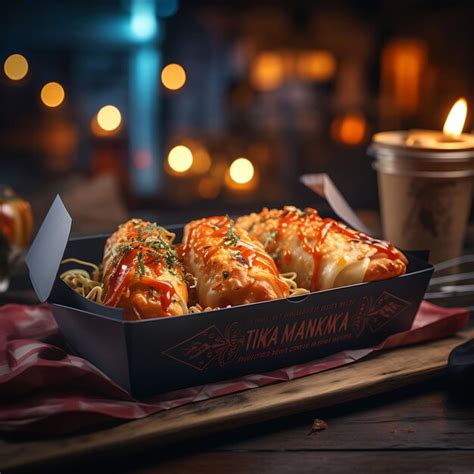
Street food is a culinary adventure, a sensory explosion of flavors, aromas, and sights. But how do you translate that ephemeral experience into a captivating photograph that makes others drool? It’s not just about pointing and shooting; it’s about understanding the heart of street food and using your lens to tell its story authentically. From bustling market stalls to sizzling woks, mastering the art of street food photography can elevate your foodie appeal to new heights.
Capturing the Soul of the Street
Street food isn’t just about what’s on the plate; it’s about the vibrant chaos, the expert hands preparing the dish, and the eager faces enjoying it. To truly capture its authenticity, your lens needs to tell a story beyond just the ingredients. Focus on the environment – the steam rising, the bustling market, the vendor’s unique setup. These elements add crucial context and depth to your photos.
Think about the journey of the food, from preparation to presentation. Is there a signature cooking method that’s visually compelling? A unique utensil or a traditional serving style? These details are gold for capturing authenticity.

Mastering the Technicalities: Light & Composition
Harnessing Natural Light
Natural light is your best friend when photographing street food. Overcast days offer soft, diffused light, perfect for minimizing harsh shadows. If shooting in direct sunlight, try to position yourself so the light comes from the side or slightly behind the food, creating appealing highlights and texture. Avoid using a direct flash; it often flattens the image and removes the natural ambiance.
Composition for Impact
Experiment with different angles. A straight overhead shot (flat lay) works wonderfully for showcasing a variety of dishes or ingredients. Eye-level shots immerse the viewer in the scene, while a lower angle can make a dish appear grander. Use the rule of thirds to place your subject off-center for a more dynamic composition. Don’t be afraid to get close to highlight textures and intricate details.

Storytelling Through Details and Action
Beyond the finished dish, look for moments that tell a story. A vendor skillfully flipping noodles, the steam rising from a simmering pot, or the intricate garnishes being applied – these action shots bring the food to life. Capture the hands that prepare the food; they are often a testament to years of tradition and skill. Don’t forget the human element: a smiling customer, the interaction at the stall, or the bustling crowd enjoying their meals.
Post-Processing to Elevate Your Shots
Even the best raw photos can benefit from a little post-processing. Simple adjustments like brightness, contrast, and color temperature can make a huge difference. Enhance the colors to make the food pop, but avoid over-saturation that makes it look artificial. Sharpening can bring out details, but use it sparingly. The goal is to enhance the natural appeal, not to transform it into something it’s not. Many mobile apps offer powerful editing tools that are easy to use.

Ethical Considerations and Respectful Snapping
Always be mindful and respectful of the vendors and their customers. Ask for permission before taking close-up shots of people, especially if they are actively working or eating. Be quick and discreet, causing minimal disruption. Support the local economy by purchasing food from the stalls you photograph. A simple “thank you” goes a long way and often opens doors for even better photo opportunities. Remember, you’re not just taking a picture; you’re documenting a culture and a livelihood.

By combining technical skill with a genuine appreciation for the culture and effort behind street food, you can create visually stunning and authentically appealing photographs that truly capture the heart of your foodie adventures.