




Smart storage hacks to keep fresh produce photo-ready longer?

There’s nothing quite like the vibrant colors and crisp textures of fresh produce to brighten up a kitchen or a photograph. However, maintaining that “just-picked” perfection can feel like a losing battle. Wilting greens, mushy berries, and soft herbs often make an appearance much sooner than we’d like. But what if there were simple, effective strategies to extend the life and visual appeal of your fruits and vegetables, keeping them photo-ready for days, even weeks?
Understanding the Basics of Produce Preservation
Before diving into specific hacks, it’s crucial to understand a few fundamental principles. Different types of produce have unique storage needs. Some thrive in cool, dark environments, while others prefer room temperature. One of the biggest factors is ethylene gas, a natural ripening agent produced by certain fruits (like apples, bananas, and avocados) that can prematurely spoil ethylene-sensitive items (like leafy greens and broccoli).
Leafy Greens and Herbs: The Moisture Management Masters
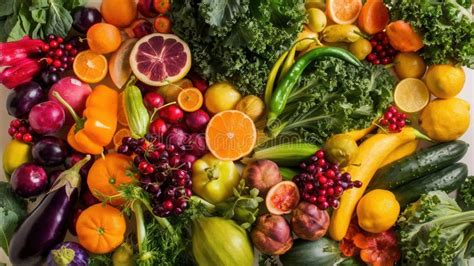
Leafy greens and delicate herbs are often the first to wilt. The key here is managing moisture without drowning them. For lettuce, spinach, and kale, wash, dry thoroughly (a salad spinner is your best friend!), then wrap them in a paper towel and store them in an airtight container or a sealed bag in the crisper drawer. The paper towel absorbs excess moisture, preventing sliminess, while the container keeps them hydrated.
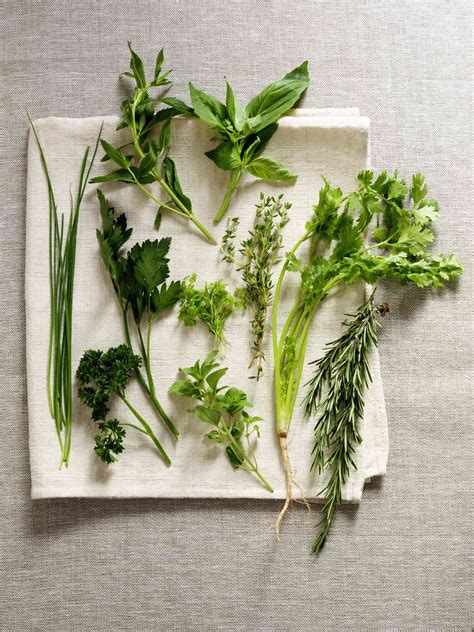
Fresh herbs like cilantro and parsley can be treated like a bouquet of flowers: trim the stems, place them in a small jar with an inch or two of water, cover loosely with a plastic bag, and refrigerate. Basil, however, prefers room temperature, so keep it on the counter away from direct sunlight.
Berries and Grapes: The Delicate Darlings
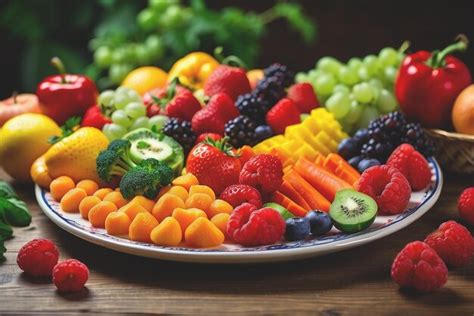
Berries are notoriously quick to spoil due to mold. A simple vinegar bath can work wonders. Mix one part white vinegar with three parts water, dunk your berries briefly, then rinse them gently under cool water. Dry them thoroughly on paper towels before storing them in a single layer in a breathable container in the fridge. The vinegar helps kill mold spores without leaving a taste. Grapes benefit from similar treatment – wash only right before eating and store unwashed in their original bag in the fridge.
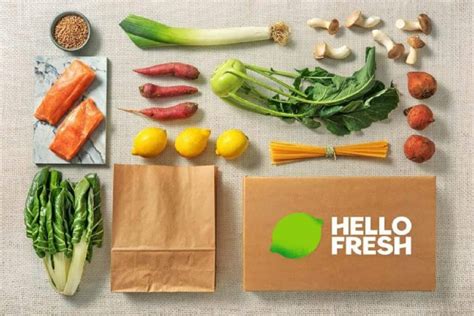
Root Vegetables and Brassicas: Cool, Dark, and Dry
Root vegetables like carrots, beets, and radishes thrive in cool, dark, and slightly humid conditions. If they come with greens attached, remove them immediately; the greens draw moisture from the roots, causing them to go limp faster. Store trimmed roots in a separate container or bag in the crisper drawer. Broccoli and cauliflower also prefer the crisper drawer, ideally in an open plastic bag to allow some air circulation.
Onions and potatoes should be stored in a cool, dark, and dry pantry, away from each other. Potatoes release ethylene gas that can cause onions to sprout, and vice versa. Keep them separate to extend both their lives.

Tomatoes, Avocados, and Bananas: Countertop vs. Fridge Debate
Some produce simply doesn’t belong in the refrigerator until it’s ripe. Tomatoes lose their flavor and texture when stored in the fridge. Keep them on the counter stem-side down until fully ripe, then you can move them to the fridge for a couple of days to halt further ripening. Avocados should also ripen on the counter; once soft, refrigerate them whole to slow down the process. Bananas are best kept on the counter; refrigerating them turns their peels black, though the fruit inside remains edible for longer.
Leveraging Specialized Tools and Techniques
Beyond basic principles, a few tools can significantly enhance your produce-preserving efforts:
- Airtight Containers: Essential for greens, cut vegetables, and many fruits to prevent dehydration.
- Produce Bags: Perforated or breathable produce bags can help maintain optimal humidity for certain items.
- Silicone Mats/Drawer Liners: These can help absorb excess moisture in crisper drawers.
- “Green Bags”: Some specialty bags claim to absorb ethylene gas, extending freshness.
- Refrigerator Thermometer: Ensure your fridge is consistently between 35-40°F (1.5-4.5°C) for optimal storage.

The Photo-Ready Payoff
Implementing these smart storage hacks not only reduces food waste but also ensures your produce remains vibrant, firm, and appetizing, ready for any culinary endeavor or social media spotlight. Imagine opening your fridge to a rainbow of crisp greens, firm berries, and colorful vegetables, all looking as perfect as the day you bought them. With a little knowledge and a few simple adjustments to your storage routine, you can enjoy fresher produce longer and elevate your kitchen aesthetics.