



What recipe tweaks create visually stunning, camera-ready food photos?
Elevating Your Culinary Creations for the Camera
In today’s visually-driven world, a dish isn’t truly complete until it’s “eaten with the eyes.” Whether you’re a food blogger, a home cook sharing with friends, or simply aiming for that perfect Instagram shot, understanding how to make your recipes visually pop on camera is an invaluable skill. It’s not just about fancy equipment; often, the most impactful changes come from subtle tweaks to your cooking process and plating strategy. Let’s delve into how you can transform everyday meals into photographic masterpieces.
The Foundation: Freshness and Vibrant Colors
The journey to a stunning food photo begins long before the camera comes out. It starts with your ingredients. Always opt for the freshest produce, herbs, and proteins available. Vibrant, unblemished ingredients translate directly into vibrant, unblemished photos.
Maximizing Natural Hues
- Don’t Overcook: Vegetables, in particular, lose their vibrant color and firm texture when overcooked. Aim for al dente for bright greens and crisp reds. Blanching quickly then shocking in ice water can lock in color.
- Embrace Contrast: Think about your color palette. A dish composed entirely of beige tones might taste delicious but won’t be visually exciting. Introduce contrasting colors through garnishes or side elements – a sprinkle of fresh green chives on a creamy soup, or bright cherry tomatoes against a dark steak.
- Keep it Clean: Before cooking, trim away any brown spots, wilting leaves, or bruised areas. What looks acceptable in person can be glaringly obvious under a lens.
Texture and Dimension: More Than Just Flavor
Texture adds depth and interest to your photos, giving the viewer a sense of what it might feel like to eat the dish. Flat, monotone textures often fall flat on camera.
Achieving Visual Texture
- Crispiness is Key: For fried foods, roasted vegetables, or anything with a crust, aim for maximum crispness. This often means slightly higher temperatures or a little longer in the oven/fryer. That golden-brown crust or delicate char adds incredible visual appeal.
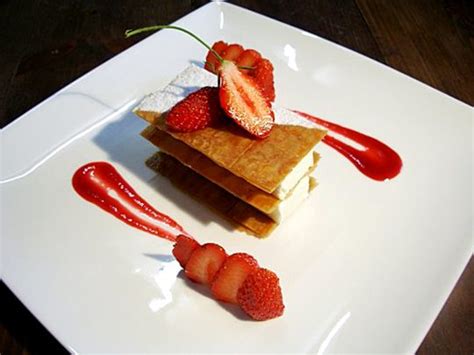
- Sauce Control: While delicious, too much sauce can obscure the food and make it look like a messy puddle. Apply sauces artfully, perhaps drizzled, swirled, or placed strategically beside the main components rather than drowning them. Consider thicker sauces that hold their shape.
- Build Height: Don’t just spread food flat on a plate. Stack elements, lean them against each other, or use small molds to create verticality. A slight elevation adds drama and allows light to play off different surfaces.
The Art of Plating and Garnishing
Plating is where the magic truly happens, transforming ingredients into a work of art. Even simple dishes can look gourmet with thoughtful arrangement.
Strategic Placement
- The Rule of Thirds: Apply photographic principles to your plating. Don’t center everything. Place key elements slightly off-center for a more dynamic composition.
- Odd Numbers: Often, odd numbers of items (e.g., three scallops, five asparagus spears) are more aesthetically pleasing than even numbers.
- Negative Space: Don’t crowd the plate. Leaving some empty space around your food can make the main elements stand out more powerfully.
The Power of Garnishes
Garnishes aren’t just for decoration; they add freshness, color, and often, a final textural touch.
- Fresh Herbs: A sprinkle of finely chopped parsley, cilantro, or chives can instantly brighten a dish. A whole sprig can add dramatic height and aroma.
- Citrus Zest/Wedges: Bright yellow or green zest offers a pop of color and a hint of freshness.
- Spices: A light dusting of paprika, chili powder, or ground cinnamon can add a subtle color gradient and hint at flavor.
- Edible Flowers: For a truly elegant touch, edible flowers can elevate a dish from simple to spectacular.
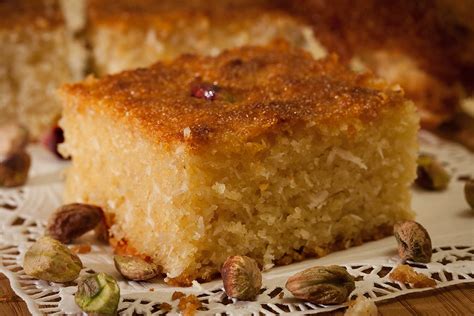
- Seeds/Nuts: Toasted sesame seeds, chopped pistachios, or pine nuts add crunch and visual interest.
Little Details, Big Impact
Sometimes, it’s the tiny, seemingly insignificant details that make the biggest difference in a food photo.
Controlled Drips and Glazes
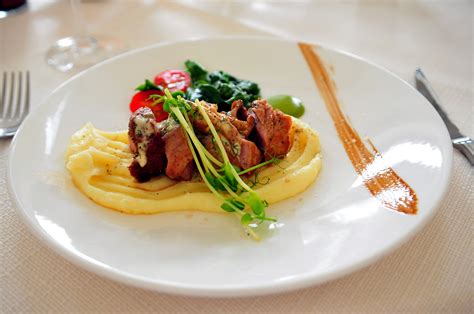
A perfectly placed drizzle of olive oil, a swirl of balsamic glaze, or a drop of sauce can add shine and movement. Practice makes perfect here – you want a controlled drip, not a spill.
Temperature and Steam
For dishes meant to be served hot, the subtle wisp of steam can convey warmth and freshness. While challenging to capture, it’s incredibly effective. Conversely, for cold dishes, condensation on a glass or a slight chill on the plate can signal refreshing coolness.
Clean Edges and Surfaces
Before photographing, take a moment to wipe the rim of your plate clean with a damp cloth or paper towel. Any smudges, drips, or stray crumbs can detract from an otherwise perfect shot.
Conclusion
Transforming your homemade dishes into photographic masterpieces doesn’t require a culinary degree or professional styling equipment. By understanding and implementing these simple recipe tweaks and plating techniques – focusing on freshness, color, texture, thoughtful arrangement, and meticulous garnishing – you can significantly elevate the visual appeal of your food. Experiment with these tips, and you’ll soon be capturing stunning, camera-ready food photos that are as delicious to look at as they are to eat.