



How can Visual Bites best visually convey flavor to compel real foodies to click recipes?

In the competitive digital culinary landscape, a mere glimpse is all it takes to capture or lose a foodie’s attention. For ‘Visual Bites’ — any platform or content creator relying on imagery to showcase food — the ultimate challenge isn’t just presenting a pretty picture, but masterfully conveying the very essence of flavor. To compel real foodies to click on a recipe, an image must do more than inform; it must entice, evoke, and promise an unforgettable sensory experience.
The Psychology of Visual Flavor Perception
Our brains are hardwired to associate visual cues with taste. Vibrant colors suggest freshness and ripeness, while certain textures imply crunch, creaminess, or succulence. A well-executed food photograph taps into this cognitive shortcut, creating an expectation of flavor before a single ingredient is read. Foodies, driven by a passion for taste, are particularly sensitive to these visual promises.
Understanding what triggers these associations is the first step. Is it the glistening char on a perfectly grilled steak, the delicate crumb of a freshly baked scone, or the effervescent bubbles in a refreshing drink? Each element contributes to a narrative of flavor that our minds eagerly consume.
Mastering Color and Contrast for Irresistible Dishes
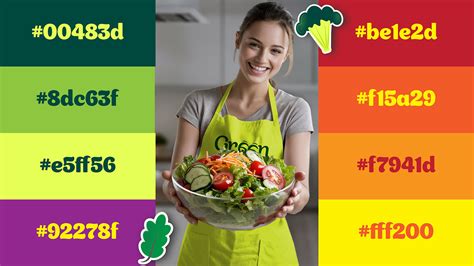
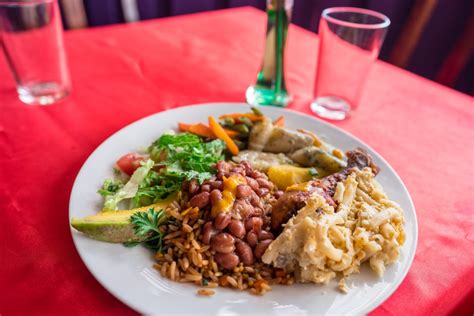
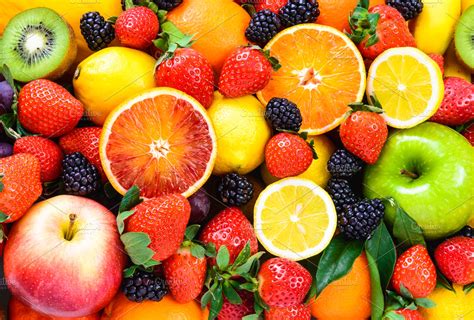
Color is perhaps the most immediate indicator of flavor. Bright, natural hues signal vitality and freshness, while rich, deep tones can suggest warmth, spice, or decadence. For Visual Bites, leveraging a vibrant color palette is crucial. Think of the intense red of ripe tomatoes, the verdant green of fresh herbs, or the golden-brown crust of a baked good. These colors are not just aesthetic; they are flavor descriptors.
Contrast also plays a vital role. A splash of bright lemon zest against a creamy risotto, or a scattering of dark chocolate shavings over a light mousse, creates visual interest and hints at a complexity of flavors. Strategic use of complementary colors can make a dish pop, drawing the eye and exciting the palate.
Highlighting Texture and Detail: A Feast for the Eyes
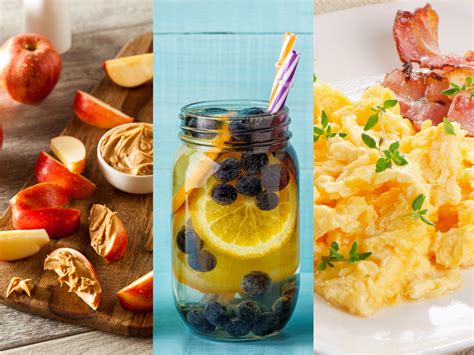
Flavor isn’t just about taste; it’s about texture too. A truly compelling food image should allow the viewer to almost ‘feel’ the food. This means focusing on the details: the glistening sheen of a sauce, the visible fibers of roasted vegetables, the delicate flakiness of a pastry, or the airy bubbles in a frothy drink.
Close-up shots are invaluable here, inviting the viewer into the dish and showcasing its intricate textures. The crispness of a fried onion, the gooey stretch of melted cheese, or the tender crumb of a cake—these details speak volumes about the anticipated eating experience. Don’t shy away from showing the ‘imperfect’ perfection that comes with real food.

Composition and Storytelling: Invoking Culinary Journeys
Beyond individual elements, the overall composition tells a story. How the dish is plated, what props are used (or not used), and the framing of the shot all contribute to the narrative. A rustic wooden board might suggest hearty, homemade fare, while elegant china and minimalist styling could convey refined cuisine.
Consider the ‘journey’ aspect. Showing ingredients alongside the finished dish, or including a subtle hint of a hand pouring a sauce, can create a sense of process and authenticity that resonates with foodies. The goal is to make the viewer feel like they are part of the culinary experience, not just observing it.
Dynamic Lighting and Mood: Setting the Scene for Flavor
Lighting is a powerful tool for conveying mood and enhancing visual appeal. Natural light, whether bright and airy or soft and diffused, often works best for food, creating inviting shadows and highlights that add depth and dimension. The direction and intensity of light can emphasize texture, make colors sing, and create an overall atmosphere that complements the dish’s flavor profile.
A warm, inviting glow can suggest comfort and richness, perfect for a slow-cooked stew or a freshly baked bread. Cooler, crisp light might better suit a refreshing salad or a vibrant fruit tart, signaling freshness and lightness. The right lighting doesn’t just illuminate; it flavors the visual experience.
Showcasing Freshness and Key Ingredients
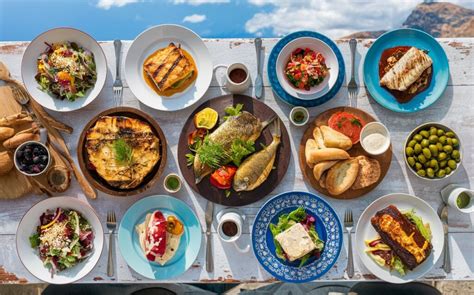
Foodies appreciate transparency and quality. Visually incorporating fresh, high-quality ingredients, either artfully arranged in the background or clearly visible within the dish, reinforces the promise of deliciousness. A sprig of rosemary, a scattering of sea salt, or a drizzle of olive oil can elevate a photograph from good to gourmet by highlighting the components that contribute to its flavor.
Seeing the raw beauty of an ingredient can build trust and appetite. It communicates that the recipe uses real, wholesome components, appealing directly to a foodie’s appreciation for quality sourcing and authentic taste.
Action Shots and Implied Movement
To truly compel a click, Visual Bites can benefit from imagery that implies action or movement. A hand sprinkling herbs, a spoon scooping a generous portion, or steam rising from a hot dish adds a dynamic element that static shots often lack. These images create a sense of immediacy and interaction, making the viewer feel closer to the experience of enjoying the food.
Action shots also hint at the delicious textures and temperatures of the food, turning a visual into a multi-sensory prompt. This engagement encourages the viewer to imagine themselves making or eating the dish, directly leading to increased clicks on the associated recipe.

Conclusion: The Art of Visual Persuasion
For Visual Bites, visually conveying flavor is not merely about taking a good photograph; it’s about crafting an immersive sensory promise. By strategically employing color, texture, composition, lighting, and a hint of dynamic action, creators can transform static images into powerful invitations to taste, compelling even the most discerning foodie to explore the recipe further. The art lies in making the viewer’s eyes do the initial tasting, setting the stage for an irresistible culinary journey that begins with a click.
Embrace the challenge of translating taste into sight, and watch as your recipes become not just clickable, but utterly irresistible.