




How do real foodies keep fresh herbs vibrant & ready for plating?

For any true culinary enthusiast, fresh herbs are non-negotiable. They elevate a dish from good to extraordinary, adding vibrant flavor, aroma, and visual appeal. However, keeping these delicate ingredients fresh and perky, ready for a last-minute garnish or a foundational flavor, can be a challenge. Real foodies understand that proper herb preservation is an art form, ensuring their culinary creations always shine. Let’s delve into the tried-and-true methods that keep your greens brilliantly vibrant and perfectly poised for plating.
Understanding Your Herbs: Tender vs. Hardy
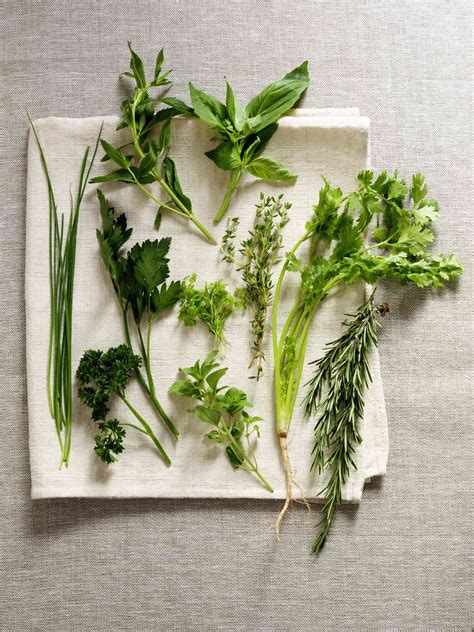
The first step to masterful herb preservation is recognizing the difference between tender and hardy varieties, as each demands a distinct approach. Tender herbs, like parsley, cilantro, basil, and mint, have soft stems and delicate leaves. Hardy herbs, such as rosemary, thyme, oregano, and sage, possess woody stems and sturdier leaves.
Tender Herbs: The Water Bath Method
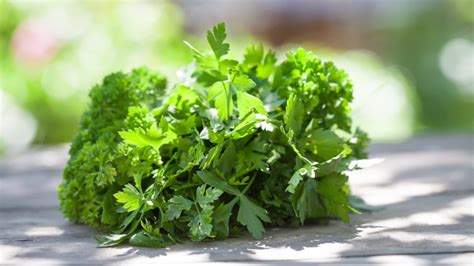
For most tender herbs, treat them like a bouquet of flowers. Upon bringing them home, trim about an inch off the bottom of their stems. Place them upright in a glass jar or cup with about an inch of fresh water, ensuring only the stems are submerged. Loosely cover the herbs and the glass with a plastic bag (a produce bag works perfectly), creating a mini greenhouse effect. Store this in your refrigerator. Change the water every day or two. This method can keep herbs like parsley, cilantro, and mint fresh for up to two weeks.

Hardy Herbs: The Damp Paper Towel Roll-Up
Hardy herbs thrive with a slightly different technique. First, gently wash and thoroughly dry them. Excess moisture is the enemy here, as it encourages rot. Lay the dried herbs in a single layer on a lightly damp paper towel. Roll them up snugly but not too tightly, then place the entire roll into a sealable plastic bag or an airtight container. Store this in the crisper drawer of your refrigerator. Rosemary, thyme, oregano, and sage can last for 2-3 weeks using this method.

Special Care for Basil: Avoiding the Cold Shock
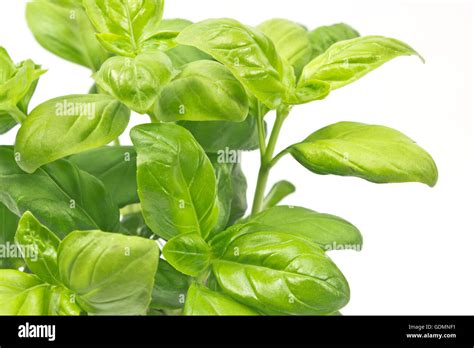
Basil is a tender herb with a quirky personality – it despises the cold! Refrigeration can cause basil leaves to blacken and wilt rapidly. For basil, follow the ‘water bath’ method, but instead of refrigerating, keep the glass jar on your kitchen counter, away from direct sunlight. Covering it loosely with a plastic bag can still help maintain humidity. Basil stored this way will typically stay fresh and aromatic for about a week.
Beyond the Fridge: Long-Term Solutions
Sometimes, you have an abundance of herbs, or you simply want to preserve their flavor for months. Freezing is an excellent option for many herbs. Chop them finely, then pack them into ice cube trays. Cover with a little water or, for an extra flavor boost, olive oil. Once frozen solid, transfer the herb cubes to a freezer-safe bag. These flavor bombs are perfect for adding to soups, stews, sauces, or roasts. Drying is another viable option for hardy herbs, concentrating their flavors for later use in spice rubs or teas.
The Golden Rules for Herb Longevity
Regardless of the method, a few universal rules apply. Always ensure your herbs are clean but thoroughly dry before storage (unless using the water bath method where only stems are wet). Air circulation is key; avoid packing them too tightly. Regularly check your stored herbs and remove any leaves that show signs of spoilage to prevent it from spreading. Finally, proper labeling with the date can help you keep track of freshness.

Mastering the art of herb preservation means you’ll always have access to fresh, vibrant flavors, ready to transform any dish into a culinary masterpiece. No more wilted greens or wasted bundles; just pure, unadulterated freshness whenever inspiration strikes. Embrace these foodie-approved techniques, and your kitchen will thank you.