



What are your top visual tricks for healthy, quick weeknight meals?
Weeknights can be a whirlwind, leaving little time or energy for elaborate meal preparation. Yet, the desire for healthy, delicious food remains. What if simple visual cues could be your secret weapon, guiding you toward faster, more nutritious choices without extra effort? It turns out, our eyes play a significant role in our appetite and perception of food. By strategically employing visual tricks, you can make healthy eating more appealing, accessible, and ultimately, a regular part of your busy routine.
Embrace a Rainbow of Ingredients
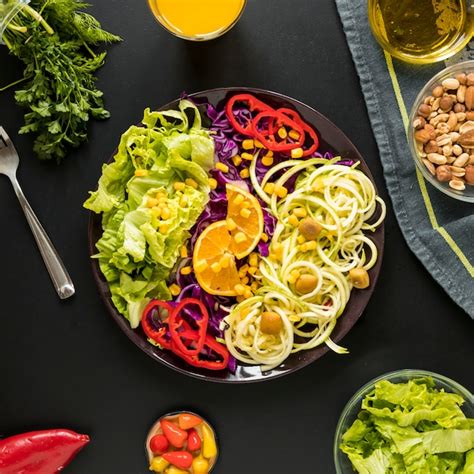
One of the most straightforward visual tricks is to focus on color. A plate bursting with vibrant hues—deep green spinach, bright red bell peppers, sunny yellow corn, or rich purple cabbage—instantly looks more appetizing and nutritious. Beyond aesthetic appeal, different colors in fruits and vegetables often signify a diverse array of vitamins, minerals, and antioxidants. Aim to include at least three different colors on your plate for a visually stimulating and nutritionally robust meal.
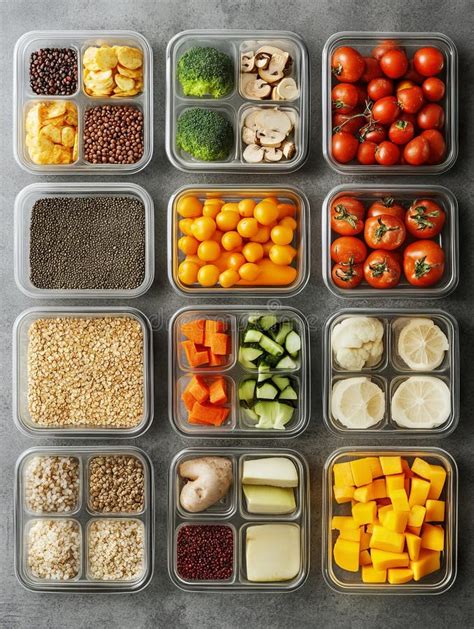
Pre-chopping a variety of colorful vegetables on a Sunday can be a game-changer. Store them in clear containers, ready to be tossed into stir-fries, salads, or quick roasts. Seeing these ready-to-use, colorful components makes it incredibly easy to grab and assemble a healthy meal when time is tight, reducing the temptation to opt for less healthy, monochromatic processed foods.

Master the Art of Portion Perception
Our perception of how much food we’re eating is heavily influenced by the plate it’s served on. Using smaller plates can visually trick your brain into believing you have a larger, more satisfying portion, helping you naturally eat less without feeling deprived. This psychological hack is particularly useful for managing portion sizes of denser foods like grains or starches.
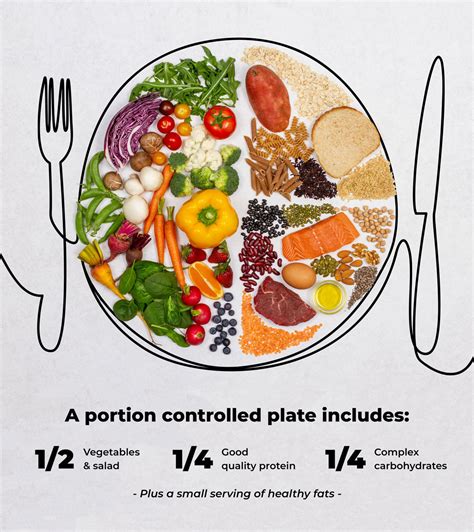
Beyond plate size, consider how you arrange your food. A plate that looks thoughtfully composed, even if it’s just a simple weeknight meal, enhances the dining experience. Aim for a balance where vegetables occupy at least half the plate, with protein and healthy carbs filling the remainder. This visual ratio helps reinforce healthy eating habits and ensures a balanced intake of macronutrients.
Organize for Visual Efficiency
The saying “out of sight, out of mind” holds true for healthy eating. If your healthy ingredients are hidden away, you’re less likely to reach for them. Conversely, making healthy options visually prominent can significantly impact your choices. Start by organizing your fridge and pantry so that nutritious foods are front and center.
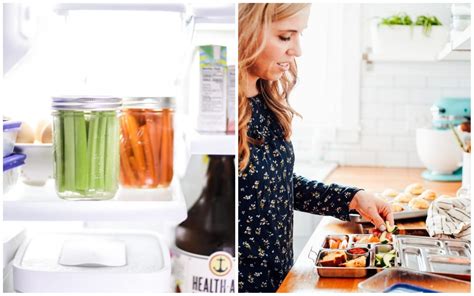
Clear, uniform containers are your best friend here. Use them to store pre-washed greens, chopped veggies, cooked grains, and pre-portioned proteins. Not only does this make your fridge look tidier and more appealing, but it also allows you to quickly see exactly what you have on hand, sparking inspiration for quick combinations and minimizing food waste. When you open the fridge and see ready-to-assemble healthy components, the path to a nutritious meal is clear.
The Power of a Pretty Plate
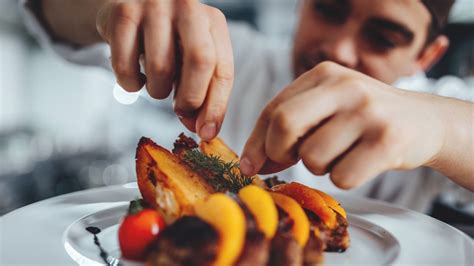
Even the simplest weeknight meal can be elevated with a touch of presentation. Garnishes are a quick and effective visual trick. A sprinkle of fresh herbs (parsley, cilantro, dill), a dash of toasted seeds (sesame, sunflower, pumpkin), a wedge of lemon, or a drizzle of a colorful sauce (like pesto or sriracha mayo) can transform a plain dish into something special.
Think about texture and contrast. A smooth soup can benefit from a swirl of cream or a sprinkle of crunchy croutons. A uniform plate of pasta can be brightened with finely chopped cherry tomatoes or a scattering of fresh basil leaves. These small additions don’t just add flavor; they add visual interest, making the meal feel more gourmet and satisfying, encouraging you to savor each bite.
Pre-Visualize Your Week
Taking a few minutes to visually plan your meals for the week can drastically reduce decision fatigue and ensure healthy options are always within reach. Whether it’s a whiteboard in the kitchen listing daily dinners, a collection of recipe cards with appealing photos, or simply a mental image of your upcoming meals, this foresight is powerful.
When you have a clear visual roadmap, grocery shopping becomes more efficient, and you’re less likely to be swayed by impulse buys. Furthermore, seeing your healthy meal plan laid out can be a motivating factor, making the prospect of cooking during a busy week less daunting and more achievable. Imagine the relief of knowing exactly what you’re making each night, with all the necessary ingredients ready to go.

From the vivid colors on your plate to the strategic organization of your kitchen, visual cues offer a powerful, often overlooked, pathway to healthier and quicker weeknight meals. By consciously employing these simple tricks, you can make healthy choices more appealing, reduce decision fatigue, and transform your cooking routine into an enjoyable, efficient process. So, next time you’re in the kitchen, remember to engage your eyes first – they might just be your best culinary assistant.