



How do specific visual cues in a recipe guarantee vibrant colors and textures?

The Art of Visual Culinary Guidance
Cooking is a multi-sensory experience, and while taste and aroma are paramount, sight plays an equally critical role in our perception of a dish’s appeal and deliciousness. A well-written recipe doesn’t just provide instructions; it acts as a visual guide, embedding cues that, when understood and followed, guarantee vibrant colors and appealing textures in the final product. From ingredient selection to the final garnish, these visual prompts are the secret language of culinary excellence.

The Power of Ingredient Specification
Freshness and Quality
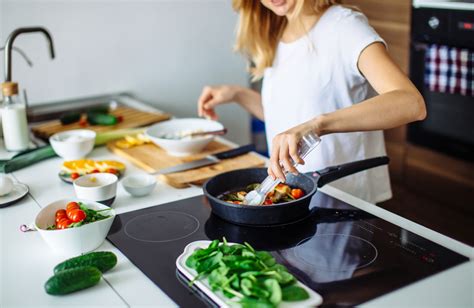
The journey to vibrant colors and perfect textures begins even before cooking: with ingredient selection. Recipes frequently include descriptive visual cues that speak to freshness and quality. Phrases like “bright green spinach,” “firm, ripe tomatoes,” or “glistening, fresh fish” are not merely poetic; they instruct the cook to choose ingredients at their peak. Bright colors often signify high nutrient content and freshness, directly correlating to better flavor and a more desirable texture that holds up during cooking.
Cut and Preparation
The way ingredients are cut and prepared is another visual cue that profoundly impacts the outcome. Instructions such as “finely diced,” “julienned,” or “rough chop” don’t just determine appearance; they dictate cooking time and surface area interaction. Uniformly diced vegetables, for instance, cook evenly, ensuring consistent texture and color development. Blanching, often accompanied by the cue to plunge vegetables into ice water, visually ensures they retain their vibrant green hue and crisp-tender texture by stopping the cooking process.
Cooking Techniques and Temperature Control
Searing and Browning
Many recipes call for visual indicators during cooking. For instance, “sear until golden brown” is a direct instruction to achieve the Maillard reaction, which develops rich, savory flavors and a beautiful crust. This browning isn’t just about taste; it provides a desirable color contrast and a crispy texture on the exterior of meats or roasted vegetables.
Blanching and Shocking
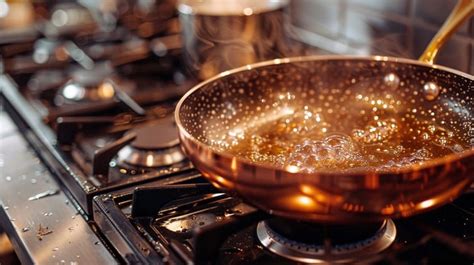
As mentioned, blanching is a cornerstone technique for preserving vibrant colors. When a recipe asks you to “blanch until vibrant green,” it’s a visual directive to bring out the chlorophyll, followed by “shock in ice water” to halt cooking and lock in that intense color and a pleasant crisp texture, preventing dullness and mushiness.
Roasting and Grilling
Visual cues like “roast until tender with slightly caramelized edges” or “grill until char marks appear” directly guide the cook to achieve specific colorations and textural transformations. Roasting caramelizes natural sugars, deepening colors and creating a tender interior with a slightly crisp exterior. Grilling adds distinct char marks and a smoky flavor profile, alongside a firmer texture.
Seasoning and Finishing Touches
Acid for Brightness
Even small additions at the end of cooking can be visually guided to impact color and texture. A recipe might instruct you to add a “squeeze of fresh lemon juice at the end.” This isn’t just for flavor; acid can perceptibly brighten colors, particularly in green vegetables, making them appear more vivid and appetizing. It can also subtly firm up certain ingredients.
Herbs and Garnishes
The final visual cues come in the form of garnishes. “Sprinkle with fresh chopped parsley” or “drizzle with extra virgin olive oil” are instructions designed to add a final pop of color, freshness, and often, a textural contrast. A sprinkle of herbs provides a contrasting green against a savory dish, while a drizzle of oil adds a glossy sheen, enhancing the dish’s overall appeal.
Timing and Observation
“Cook until…”
Many recipe steps rely on visual observation for proper timing. “Cook onions until translucent,” “simmer until sauce is reduced by half,” or “bake until golden brown” are classic visual cues. These aren’t just arbitrary statements; they instruct the cook on the exact moment to stop cooking to achieve the perfect texture (e.g., tender but not mushy, thick but not pasty) and the desired color development (e.g., caramelized, clear, or rich).
Resting
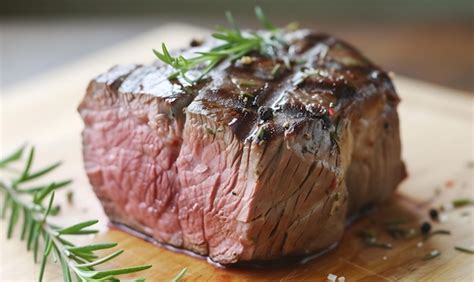
While not a direct color cue, visual guidance often extends to resting periods for meats: “rest the roast for 15 minutes before slicing.” The visual impact of this step is seen when sliced: juicy, evenly colored meat versus dry, greyish slices where juices have escaped. This ensures optimal texture and moisture retention.
The Culinary Symphony of Sight and Taste
Ultimately, specific visual cues in a recipe are a chef’s way of communicating not just ingredients and steps, but the desired sensory outcome. They guide the cook to select the best components, employ techniques that enhance natural beauty, and time processes for ideal textural transformations. By paying close attention to these visual instructions, home cooks and professionals alike can consistently create dishes that are not only delicious but also feast for the eyes, guaranteeing vibrant colors and delightful textures every time.