



How do you keep fresh, healthy food vibrant & appealing all week?

The Secret to Week-Long Freshness: It Starts in Your Kitchen
Maintaining the vibrancy and nutritional integrity of fresh, healthy food throughout the week can feel like a culinary challenge. We all aspire to eat well, but often find ourselves tossing wilted greens or forgotten produce. The good news is, with a few strategic habits and smart storage solutions, you can significantly extend the life and appeal of your ingredients, making healthy eating easier and reducing food waste.
Smart Shopping & Immediate Prep: The Foundation of Freshness
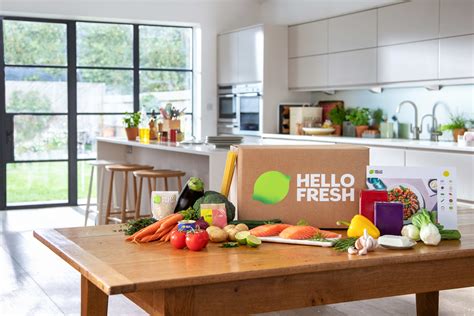
Your journey to week-long freshness begins before you even leave the grocery store. Prioritize seasonal produce, as it’s often fresher and lasts longer. Once home, resist the urge to just toss everything into the fridge. A little immediate prep goes a long way:
- Wash & Dry Thoroughly: For most produce (especially leafy greens and berries), wash them gently and, most importantly, dry them completely before storing. Excess moisture is the enemy of freshness, encouraging mold and spoilage. A salad spinner is an invaluable tool here.
- Chop & Store Smart: Pre-chop some veggies like bell peppers, carrots, or celery for easy snacking or meal additions. Store them in airtight containers, sometimes with a damp paper towel to maintain humidity, depending on the vegetable.
- Blanch & Freeze: For vegetables you won’t use immediately (like broccoli or green beans), blanching them briefly in boiling water followed by an ice bath, then freezing, can lock in nutrients and flavor for weeks.
Mastering Storage Techniques for Longevity
Different foods have different storage needs. Understanding these nuances is key to preserving their quality:
Refrigeration:
- Leafy Greens: Store washed and dried greens in an airtight container lined with paper towels. The paper towels absorb excess moisture, and the sealed container prevents wilting. Change paper towels if they become too damp.
- Herbs: Treat hard herbs (rosemary, thyme, oregano) like a bouquet of flowers – snip the ends, place them in a glass with an inch of water, and cover loosely with a plastic bag in the fridge. For soft herbs (parsley, cilantro, basil), wash, dry, wrap in a damp paper towel, and place in a zip-top bag. Basil prefers room temperature away from direct sunlight.
- Berries: Wash right before eating. Store unwashed berries in their original containers or in a single layer in a shallow container in the fridge. A vinegar wash (1 cup water, 1/4 cup white vinegar) can help inhibit mold, but rinse thoroughly before storing.
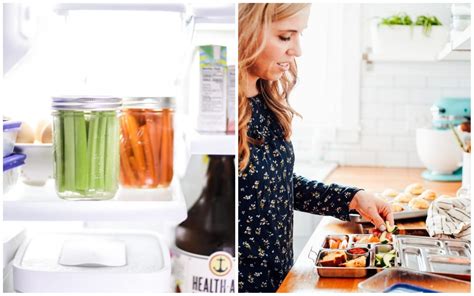
- Hardy Vegetables: Carrots, celery, and radishes can be stored in water in an airtight container in the fridge to keep them crisp.

Pantry & Countertop:
- Root Vegetables: Potatoes, onions, and garlic prefer cool, dark, dry places away from each other (onions can make potatoes sprout faster).
- Avocados & Tomatoes: Ripen on the counter, then move to the fridge to slow ripening once ready.
- Bananas & Apples: Store separately from other produce, as they release ethylene gas that can accelerate ripening and spoilage in other fruits and vegetables.
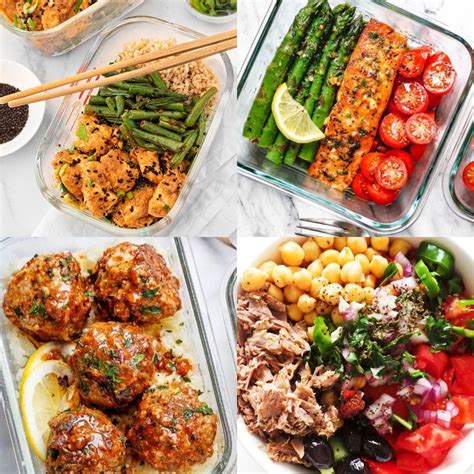
Strategic Meal Prepping: Components, Not Full Meals
While full meal prep works for some, preparing components offers more flexibility and often keeps food fresher:
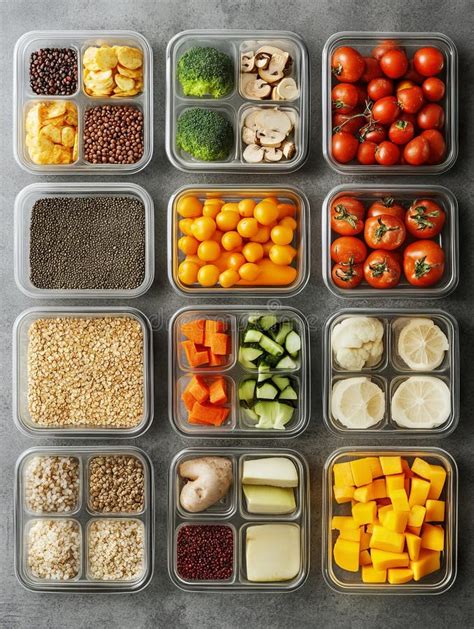
- Cook Grains & Proteins: Cook a large batch of quinoa, brown rice, or chicken breast at the start of the week. Store them separately in airtight containers.
- Roast Vegetables: Roast a medley of vegetables like Brussels sprouts, sweet potatoes, or broccoli. These can be added to salads, bowls, or as side dishes.
- Prep Dressings & Sauces: Make your salad dressings, hummus, or pesto from scratch. Store in sealed jars in the fridge.
- Layer Smart: If assembling salads or bowls, place dressing at the bottom, followed by hardier vegetables, then grains/protein, and finally delicate greens on top to prevent sogginess.
Revitalizing & Repurposing: Giving Food a Second Life
Even with the best intentions, some produce might start to look tired. Don’t toss it immediately:
- Crisp Up Greens: Slightly wilted lettuce or herbs can often be revived by submerging them in a bowl of ice water for 15-30 minutes.
- Roast or Soup It: Soft vegetables like bell peppers, zucchini, or carrots are perfect for roasting, adding to stir-fries, or blending into soups and sauces.
- Smoothie Power: Overripe fruits (bananas, berries, spinach that’s past its prime) are excellent for smoothies. Portion and freeze for quick breakfast options.
- Stock It: Vegetable scraps (onion skins, carrot tops, celery ends) can be frozen and later simmered to make flavorful vegetable broth, reducing waste and enhancing future meals.

Embrace the Journey to a Fresher Kitchen
Keeping fresh, healthy food vibrant and appealing all week is an achievable goal that pays dividends in taste, nutrition, and cost savings. By adopting smart shopping habits, mastering proper storage techniques, strategically prepping components, and learning to revive and repurpose, you’ll transform your kitchen into a hub of sustained freshness. Start with one or two new habits this week, and watch your food—and your health—flourish.