



How to store fresh herbs so they stay photo-ready longer for culinary styling?

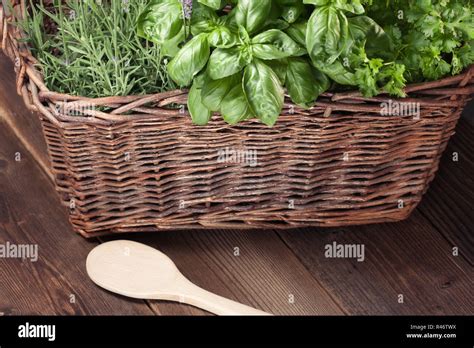
In the world of culinary styling and food photography, fresh herbs are often the unsung heroes, providing vibrant color, texture, and a touch of organic elegance to any dish. However, their delicate nature means they can wilt, discolor, and lose their visual appeal surprisingly quickly. To keep your basil perky, your mint bright, and your rosemary robust for those perfect shots, proper storage is paramount. This guide delves into professional techniques to extend the photo-ready life of your fresh herbs.
Understanding Herb Types: A Key to Longevity
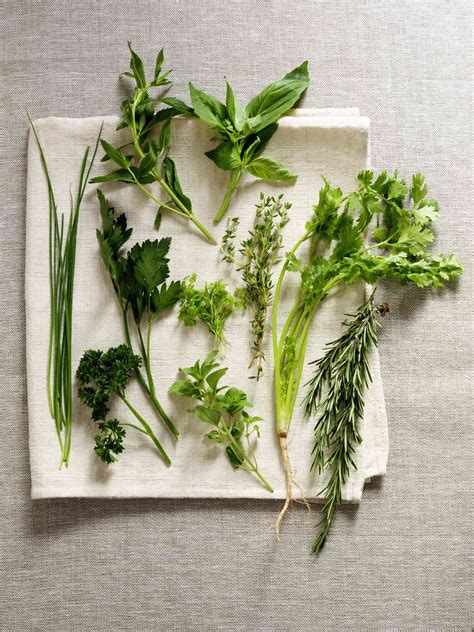
Not all herbs are created equal when it comes to storage. Recognizing the difference between tender and woody varieties is the first step towards preserving their freshness and aesthetic appeal.
- Tender Herbs: These include basil, cilantro, parsley, mint, dill, chives, and tarragon. They have delicate stems and soft leaves, are prone to wilting, and generally thrive with a bit of moisture.
- Woody Herbs: Rosemary, thyme, oregano, sage, and marjoram fall into this category. They have tougher stems and heartier leaves, are less prone to wilting, and prefer slightly less moisture than their tender counterparts.

Storing Tender Herbs: The “Bouquet” Method & Beyond
Tender herbs are best treated much like a fresh bouquet of flowers. The goal is to keep their stems hydrated while protecting their leaves from excessive moisture and air exposure.
- The Water Jar Method: Trim the very ends of the stems, much like you would cut flower stems. Place the herb bunch, stems-down, into a glass or jar filled with an inch or two of fresh water. For basil, leave it on the counter away from direct sunlight, changing the water daily. For other tender herbs like parsley, cilantro, and mint, loosely cover the leaves with a plastic bag (a produce bag works perfectly) and place the jar in the refrigerator. Change the water every 1-2 days. This method can keep herbs fresh and vibrant for up to a week, sometimes longer.
- Paper Towel & Bag Method: If space is a concern, or for herbs like cilantro and dill that can get soggy in water, lightly dampen a few paper towels. Gently wrap the herbs in the damp paper towels, then place the wrapped bundle into a resealable plastic bag or airtight container. Place in the refrigerator. This method works well for about 3-5 days.

Preserving Woody Herbs: Dry and Cool
Woody herbs are more resilient but still benefit from proper care. Their robust nature means they don’t need as much direct hydration as tender herbs.
- Damp Paper Towel & Container Method: Gently wash and thoroughly dry woody herbs (like rosemary, thyme, or oregano) if they appear dirty. Wrap them loosely in a lightly damp paper towel. Place the wrapped herbs inside a resealable plastic bag or an airtight container. Store them in the crisper drawer of your refrigerator. This method prevents them from drying out too quickly while avoiding excessive moisture that could lead to mold. They can stay fresh for 2-3 weeks.
- Freezing for Long-Term: While not ideal for immediate photo-readiness, woody herbs (and some tender ones like chives) can be chopped and frozen in olive oil in ice cube trays for longer-term culinary use. Just note their texture will change upon thawing, making them less suitable for garnishes.

Photo-Ready Perfection: Advanced Tips for Culinary Stylists
Beyond basic storage, a few extra steps can ensure your herbs are always camera-ready:
- Avoid Washing Until Use: For most herbs, especially basil, it’s best to avoid washing them until you’re just about to use them. Excess moisture can promote spoilage and spotting, which is detrimental to styling. If you must wash them, use a salad spinner or paper towels to dry them thoroughly.
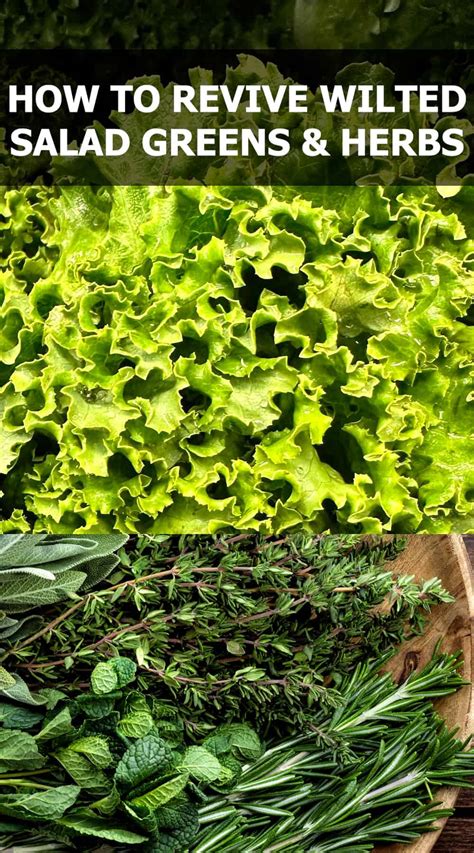
- Revive Wilting Herbs: If your herbs look a little limp, a quick ice bath can often bring them back to life. Submerge them in cold water (perhaps with a few ice cubes) for 15-30 minutes. This rehydrates the cells and can restore crispness, especially useful for parsley and cilantro.
- Gentle Handling: Bruised leaves show up clearly in photographs. Handle your herbs with care, minimizing crushing or tearing until the moment of plating.
- Consistent Temperature: Ensure your refrigerator is at a consistent, cool temperature. Fluctuations can stress herbs and accelerate spoilage. The crisper drawer is typically the best spot due to its humidity control.
The Final Touch: Presentation Matters
Even perfectly stored herbs need a little prep before their close-up. Always select the freshest, unblemished leaves or sprigs. A quick trim of the stem, a gentle pat dry if needed, and arranging them artfully are the last steps to ensuring your herbs truly elevate your culinary creations visually.
By implementing these thoughtful storage techniques, you can significantly extend the vibrant, photo-ready life of your fresh herbs, ensuring they are always ready to grace your culinary masterpieces with their beauty and aroma.