



How to quickly style Visual Bites that tempt ‘Real Foodies’?

Understanding the Real Foodie’s Palate (and Eye)
For those truly passionate about gastronomy, a mere pretty picture isn’t enough. ‘Real Foodies’ crave authenticity, texture, and a sense of the delicious story behind a dish. They’re not just looking for a visually perfect plate; they’re seeking an experience that makes their taste buds tingle just by looking. This audience values the ‘realness’ of food – the slight imperfection, the vibrant freshness of ingredients, and the promise of genuine flavor. Our quick styling approach, therefore, needs to appeal directly to these intrinsic desires, moving beyond superficial gloss.
Master Natural Light for Instant Appeal
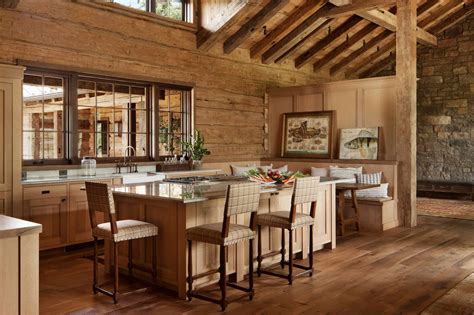
The single most impactful tool for quick food styling is natural light. Harsh artificial flashes or overhead kitchen lights can flatten textures and distort colors, making food look unappetizing. Position your dish near a window, ideally with soft, diffused light, to create gentle shadows and highlight the food’s contours. This immediately adds depth and a professional touch without needing complex setups.
Overcast days are a photographer’s dream for food, providing an even, soft glow. If the light is too direct, use a sheer curtain or a piece of parchment paper to diffuse it. The goal is to make the food look fresh, inviting, and truly edible, as if it just came out of the kitchen or garden, bathed in an authentic glow.
Keep it Simple: Hero the Ingredients
Real Foodies appreciate the quality of ingredients. When styling, resist the urge to clutter the scene with excessive props. Instead, let the food itself be the star. Choose a simple, neutral background that doesn’t distract – a wooden table, a plain linen napkin, or a ceramic plate. Arrange your dish in a way that showcases its key components and textures.
Consider adding one or two raw ingredients that went into the dish, subtly placed in the background or foreground. For instance, a sprinkle of fresh herbs, a whole lemon next to a lemon tart, or a few berries accompanying a dessert. This tells a story of freshness and quality, appealing directly to the foodie’s appreciation for good produce and honest cooking.
Plating with Purpose: Composition Quick Wins
Effective plating is crucial for making food look appetizing. Even with minimal time, a few compositional tricks can elevate your visual bite. The ‘rule of thirds’ is your friend: imagine your frame divided into nine equal segments and place your main subject off-center along these lines or at their intersections. This creates a more dynamic and engaging image than simply centering the food.
Pay attention to negative space – the empty areas around your food. Sometimes, less is more, allowing the eye to focus on the delicious subject. Use garnishes sparingly and intentionally; a fresh sprig of parsley, a drizzle of sauce, or a sprinkle of toasted nuts can add color, texture, and a touch of elegance without overwhelming the dish. Think about how the elements lead the viewer’s eye across the plate.
Embrace Texture and Movement for Temptation
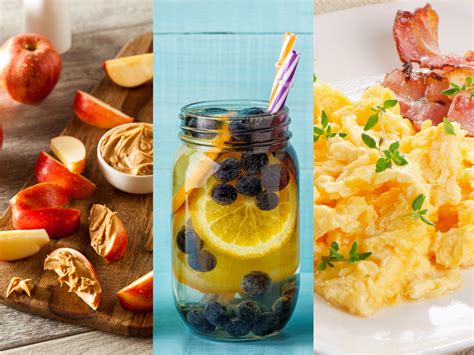
What makes a ‘Real Foodie’ truly salivate? It’s the visual promise of a sensory experience. Focus on highlighting textures that convey deliciousness: the crispiness of a crust, the gooeyness of melted cheese, the vibrant sheen of a sauce, or the delicate flakiness of a pastry. Capture steam rising from a hot dish, or a spoon just breaking into a creamy dessert.
These subtle cues of texture and implied movement instantly make the food feel more alive and inviting. A quick drizzle of olive oil, a gentle sprinkle of sea salt, or a few artfully placed crumbs can enhance these textural elements, making your visual bite not just pretty, but profoundly tempting and realistic. Avoid overly perfect, static shots that look too artificial; a little bit of delicious ‘mess’ can go a long way.
Final Touches: Authenticity Over Perfection
Ultimately, to tempt ‘Real Foodies’, your visual bites must feel authentic. While styling helps, don’t over-stage. The goal isn’t an unattainable, hyper-perfect image, but rather one that makes the viewer believe they could reach out and enjoy that very dish. Small details like a slightly crumbled cookie, a perfectly browned edge, or a natural drip can add character and convey the true essence of homemade goodness. By focusing on natural light, simple compositions, ingredient heroics, and emphasizing tempting textures, you can quickly create visual bites that genuinely resonate with and entice the discerning palate of any ‘Real Foodie’.