




Smartest way to store prepped veggies to stay crisp & visually appealing?
The Challenge of Keeping Prepped Veggies Fresh
There’s nothing more frustrating than dedicating time to meal prep, only to find your carefully chopped vegetables wilting, turning slimy, or losing their vibrant appeal just a day or two later. The dream of quick, healthy meals hinges on having ready-to-use ingredients that look and taste as good as they did when first prepped. But how do you achieve this elusive state of prolonged freshness?
The key lies in understanding the science behind vegetable spoilage – primarily moisture loss or excess moisture, exposure to air, and incorrect temperatures. By controlling these factors, you can significantly extend the life of your prepped produce, saving time, reducing food waste, and ensuring your culinary efforts are always rewarded with crisp, delicious results.
The Foundation: Proper Washing and Drying
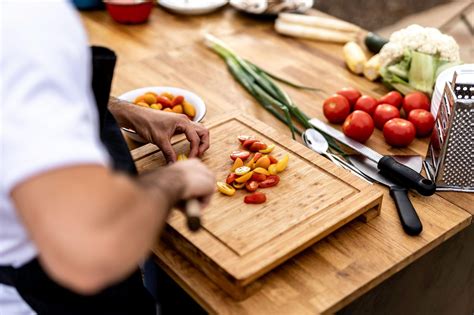
Before any storage technique can work its magic, proper initial preparation is crucial. All vegetables should be thoroughly washed to remove dirt, pesticides, and bacteria. However, the subsequent step – drying – is arguably even more critical for extending shelf life. Excess moisture is the enemy of crispness and a breeding ground for mold and spoilage.
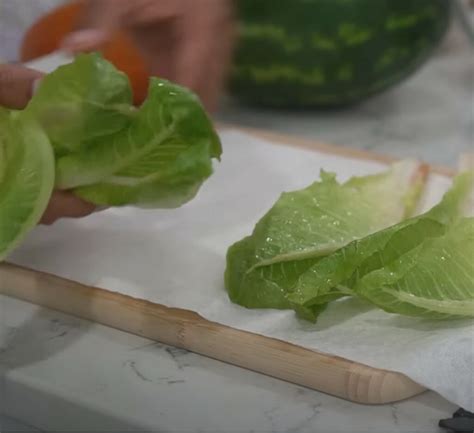
- Leafy Greens: Use a salad spinner to remove as much water as possible, then pat dry with clean paper towels.
- Firm Vegetables: Allow items like bell peppers, carrots, and cucumbers to air dry on a clean towel or paper towels before cutting.
Mastering Moisture Control for Optimal Crispness
Once clean and dry, the way you manage moisture during storage makes all the difference.
1. The Paper Towel Method
This is a go-to technique for many vegetables, especially leafy greens and delicate herbs. The paper towel absorbs excess moisture released by the vegetables, preventing sliminess without drying them out completely.
- For Greens: Line an airtight container with a layer of paper towels. Place your washed and dried greens on top, then add another layer of paper towels before sealing. Change the paper towels every couple of days.
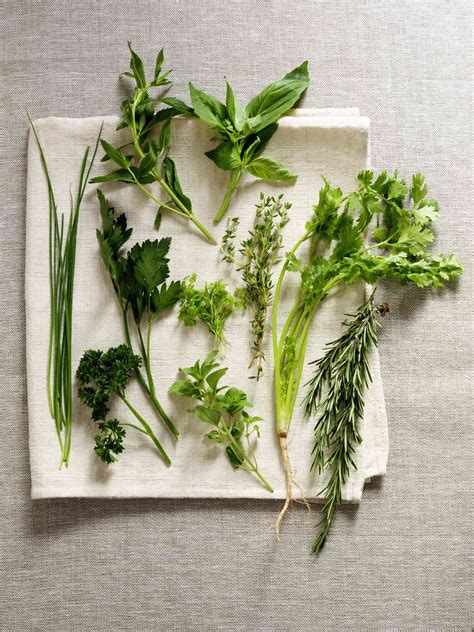
- For Herbs: Wrap washed, dried herbs loosely in a damp (not wet) paper towel, then place them in a resealable bag or container.
2. The Water Bath Technique
Certain root vegetables and crunchy items benefit immensely from being stored in water. This method keeps them hydrated and incredibly crisp.
- Carrots & Celery: Cut them into sticks or chunks and place them in an airtight container filled with cold water. Ensure the vegetables are fully submerged. Change the water every 1-2 days. This keeps them remarkably crisp for over a week.
- Radishes: Similar to carrots and celery, storing radishes in a container of cold water can maintain their snap and peppery flavor.
Choosing the Right Container
The type of container you use plays a significant role in preventing air exposure and maintaining the ideal environment.
- Airtight Glass Containers: These are ideal as they don’t absorb odors, are easy to clean, and provide a clear view of your veggies, encouraging you to use them.
- Resealable Bags (with air removed): For items where space is a premium, high-quality resealable bags can work, especially if you try to press out as much air as possible before sealing.
- Avoid Open Bowls: Exposure to air causes oxidation and dehydration, leading to wilting and browning.

Strategic Refrigeration for Longevity
Your refrigerator’s temperature and organization also impact veggie freshness.
- Crisper Drawers: These are designed to maintain a higher humidity level, which is perfect for most vegetables. Utilize them!
- Temperature Zone: Ensure your fridge is set to the optimal temperature (around 35-40°F or 1-4°C).
- Separate Ethylene Producers: Some fruits and vegetables, like apples, bananas, and tomatoes, release ethylene gas, which can accelerate the ripening and spoilage of other produce. Store them separately from your prepped vegetables.

Specific Veggie Storage Tips
- Broccoli & Cauliflower: Store florets in an airtight container with a damp paper towel or in a bowl of water (stem side down).
- Bell Peppers: Whole peppers last longer. If prepped, store slices or chunks in an airtight container with a dry paper towel.
- Onions & Garlic: Best stored whole in a cool, dark, dry place outside the fridge. Once cut, store in an airtight container in the fridge and use within a few days.
- Mushrooms: Store in a paper bag (not plastic) to allow them to breathe and prevent sliminess.
By implementing these smart storage techniques, you’ll transform your approach to meal prep. No more soggy salads or limp carrot sticks! Your prepped vegetables will remain crisp, vibrant, and visually appealing, making healthy eating easier, more enjoyable, and significantly reducing food waste. Embrace these kitchen hacks and enjoy the prolonged freshness of your produce.