




How to spot hidden culinary gems using visual cues?

The quest for an authentic, unforgettable meal often leads adventurous eaters off the beaten path, far from the well-trodden tourist traps. But how do you reliably distinguish a truly hidden culinary gem from just another run-of-the-mill establishment? The secret lies in honing your observation skills, learning to interpret the subtle visual cues that speak volumes about a place’s true character and quality.
The Unassuming Exterior: A Book Not Judged by Its Cover
Many of the best eateries hide behind an ordinary, sometimes even humble, facade. Don’t be swayed by flashy signs or modern architecture. Instead, look for signs of longevity and local patronage. A worn but clean exterior, a hand-painted sign, or slightly faded awnings can often signal a long-standing establishment cherished by locals. It suggests that their reputation is built on the food, not on expensive decor.
Pay attention to the little details: Are the windows clean, even if the building itself looks old? Is there a community bulletin board outside, indicating a connection to the neighborhood? These visual cues suggest a business that prides itself on service and cleanliness, even if the budget for aesthetics is modest.

The Buzz Inside: Who’s Eating There?
Once you glance inside, the patrons themselves are perhaps the strongest visual cue. A restaurant packed with locals during odd hours, or boasting a diverse crowd that reflects the community, is almost always a good sign. If you see families, elderly couples, and workers on their lunch break all enjoying their meals, you’ve likely stumbled upon a beloved spot. Tourists tend to flock to places marketed specifically to them; locals seek out value, authenticity, and consistently good food.
Observe the atmosphere. Is there a comfortable, lively buzz? Do the staff interact genuinely with the customers? A visible kitchen, even if small, where you can see fresh ingredients being prepped and cooked, also speaks volumes about transparency and quality.
The Plate’s Story: Freshness and Authenticity
When the food finally arrives, visual cues are paramount. Look for vibrant colors, indicating fresh ingredients. Steam rising from a dish tells you it’s hot and recently prepared. Simple, unfussy plating often points to a focus on the quality of ingredients and cooking rather than elaborate presentation tricks.

Are the portions generous and hearty, without being excessive? Does the food look homemade, authentic to its cuisine? These are all indicators that the establishment prioritizes flavor and substance. Also, glance at other tables – if every dish looks appealing and different customers are visibly enjoying their meals, you’re on the right track.
Beyond the Food: Staff and Subtle Signals
Beyond the immediate visual of the food, the staff can provide additional clues. Are they attentive and knowledgeable, even if their English is limited? Do they seem to take pride in their work? Sometimes, seeing the owner present and actively involved, perhaps greeting guests or overseeing the kitchen, is a strong signal of dedication and passion.
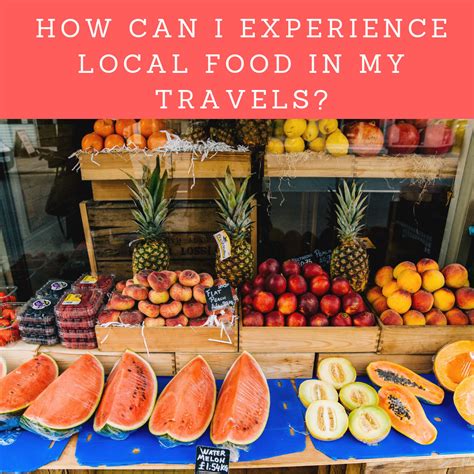
Other subtle visual signals include specific local produce or ingredients displayed prominently, a short and focused menu (often a sign of mastery over a few dishes), or even a small queue outside during peak hours. A queue, especially one made up of patient locals, is often the ultimate visual endorsement.
Trust Your Gut (and Your Eyes)
Ultimately, spotting hidden culinary gems is an art that combines observation with intuition. By learning to read the visual language of a restaurant – from its exterior and its patrons to the food on the plate and the demeanor of its staff – you empower yourself to bypass tourist traps and unearth truly authentic dining experiences. So next time you’re exploring, open your eyes, trust your instincts, and prepare to embark on a delicious adventure.