




Achieve perfect vibrant greens when blanching seasonal vegetables?

Why Blanching is Key for Vibrant Vegetables
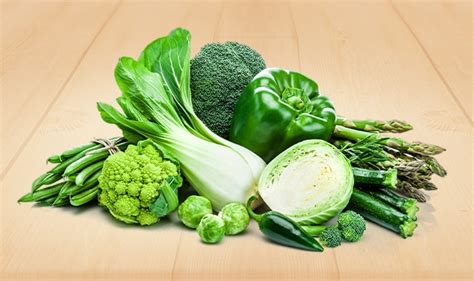
Blanching is a quick and essential cooking technique often overlooked but crucial for preserving the color, flavor, and texture of many seasonal vegetables. It involves briefly immersing vegetables in boiling water, followed immediately by an ice bath. This process stops enzymatic reactions that cause discoloration and softens the vegetables just enough while maintaining their vibrant hue and crispness, especially for greens like asparagus, green beans, broccoli, and spinach.
The Science Behind the Green
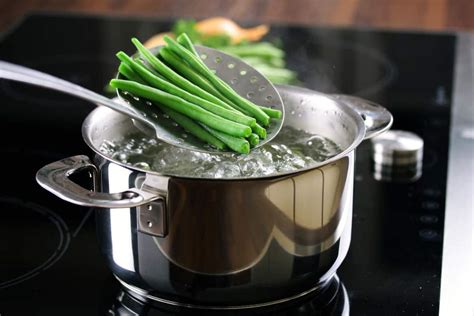
The secret to dazzling green vegetables lies in chlorophyll, the pigment responsible for their verdant color. When vegetables are cooked for too long or incorrectly, acids released during heating can break down chlorophyll, turning your beautiful greens dull and olive-colored. Blanching minimizes this acid exposure, setting the chlorophyll and locking in that fresh, bright green. The rapid cooling in an ice bath halts the cooking process, preventing overcooking and further color degradation.
Step-by-Step Guide to Perfect Blanching
1. Prepare Your Vegetables Properly
Start with fresh, high-quality seasonal vegetables. Wash them thoroughly and trim them as needed. Cut larger vegetables into uniform pieces to ensure even cooking. For instance, snap the woody ends off asparagus or trim green beans.
2. Use a Large Pot of Heavily Salted Water
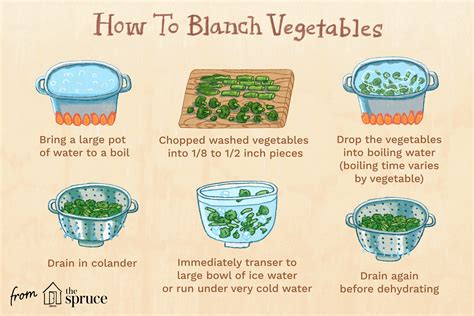
Fill a large pot with plenty of water – you want at least a 4:1 ratio of water to vegetables to avoid lowering the temperature too much when vegetables are added. Bring the water to a rolling boil. Crucially, season the water generously with salt. Just like pasta water, salty water enhances the flavor of the vegetables and helps set the green color.

3. Prepare an Ice Bath
While your water comes to a boil, prepare an ice bath. Fill a large bowl with ice and water. This is critical for immediately stopping the cooking process and preserving the vibrant green color.
4. Blanch in Small Batches
Add your prepared vegetables to the boiling water in small batches. Overcrowding the pot will drop the water temperature, leading to uneven cooking and less vibrant results. The blanching time will vary depending on the vegetable and its size, typically ranging from 30 seconds to 3 minutes.
- Leafy Greens (Spinach, Swiss Chard): 30-60 seconds
- Green Beans, Asparagus: 2-3 minutes
- Broccoli, Brussels Sprouts: 2-4 minutes
Watch them closely; you’ll see them brighten significantly.
5. Shock Immediately in Ice Bath
As soon as the vegetables reach your desired tenderness (still slightly crisp), use a slotted spoon or spider to transfer them directly from the boiling water to the ice bath. Swirl them around to cool them rapidly and completely. This stops the cooking process and locks in the color.
6. Drain Thoroughly
Once cooled, drain the vegetables thoroughly. You can spread them out on a clean kitchen towel or paper towels to remove excess moisture. This prevents them from becoming watery when used in further preparations or stored.

Common Mistakes to Avoid
- Overcrowding the Pot: Leads to a drop in water temperature and dull, unevenly cooked vegetables.
- Under-Salting the Water: Bland vegetables that lack a flavor boost.
- Skipping the Ice Bath: Vegetables continue to cook from residual heat, losing their crispness and vibrant color.
- Overcooking: Even a few extra seconds can turn bright green to drab.
Embrace the Green!
By following these simple yet crucial steps, you’ll consistently achieve perfectly vibrant, crisp, and flavorful green vegetables every time you blanch. This technique is invaluable whether you’re preparing vegetables for a salad, a stir-fry, or simply as a stunning side dish. Enjoy the beauty and taste of perfectly blanched seasonal produce!