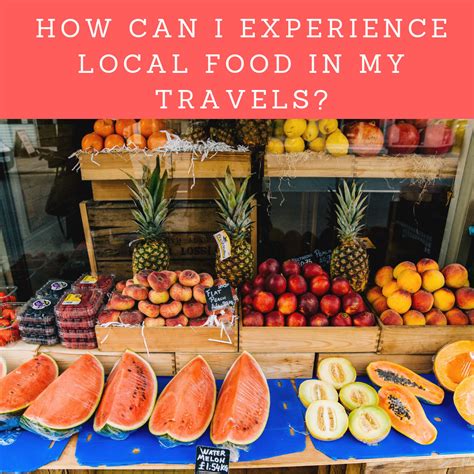





Visual cues: how to find authentic eats on your food adventures?

The Hunt for Authenticity: More Than Just Taste
Embarking on a food adventure is about more than just satisfying hunger; it’s a deep dive into culture, tradition, and local life. But in a world bustling with tourist traps and Instagrammable facades, how do you sniff out the truly authentic gems? The secret lies in sharpening your observational skills and trusting visual cues. Forget the glossy brochures and online reviews for a moment – your eyes are your most powerful tool in finding genuine eats.
Deciphering the Crowd: Who’s Eating Here?
One of the most telling signs of an authentic eatery is its clientele. Look for places packed with locals, especially during peak meal times. If the restaurant is filled with families, elderly folks, or workers from nearby businesses, you’re likely onto something good. A long queue of patient patrons, conversing animatedly in the local tongue, is often a golden indicator that the food is worth the wait. Conversely, if a restaurant is empty or solely populated by other tourists, it might be best to keep walking.
The Unassuming Exterior: Beyond the Glitz
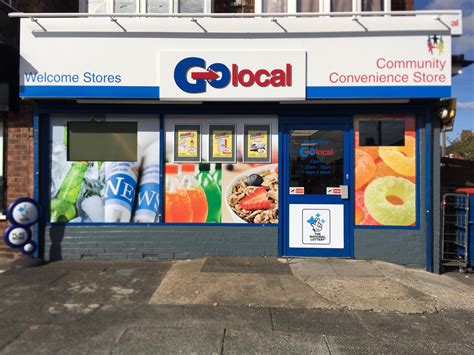
Authenticity often doesn’t come with a grand entrance or a flashy sign. Many of the best local spots are humble, even slightly worn, reflecting years of dedicated service to their community rather than chasing tourist dollars. Look for establishments with simple decor, perhaps a handwritten sign, or a building that blends seamlessly into its surroundings without screaming for attention. Avoid overly polished, generic-looking restaurants that could belong anywhere in the world – they often cater to a broader, less adventurous palate.
Decoding the Menu: Language and Simplicity
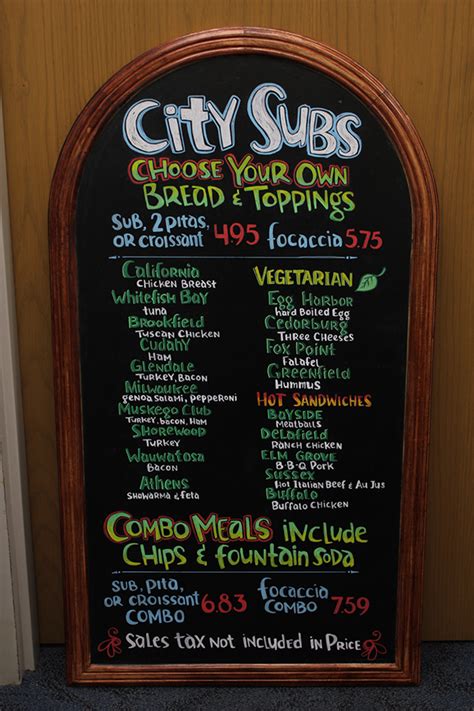
A menu can be a treasure map to authenticity. If it’s primarily in the local language with limited, perhaps slightly awkward, English translations, that’s a great sign. It indicates they prioritize local diners. Even better if the menu is short, focused, or changes daily, suggesting seasonal ingredients and fresh preparation. Places with endless, multi-cuisine options tend to sacrifice quality for variety. Don’t be afraid to point at what others are eating or ask for the house specialty – it’s often the most traditional and delicious dish.
Observing the Food and the Environment
Freshness and Tradition: What’s on the Plate (and in the Kitchen)
Once inside, pay attention to the food being served. Does it look vibrant, fresh, and made with care? Are there traditional cooking methods evident, like a sizzling wok, a bustling open kitchen, or a visible tandoor oven? Observe how the food is prepared and presented. The aroma filling the air is another powerful cue – rich, inviting smells usually mean deliciousness is imminent. A peek into the kitchen (if visible and allowed) can also offer insights into cleanliness and preparation standards.
The Bustle of Street Food: A Feast for the Eyes and Palate
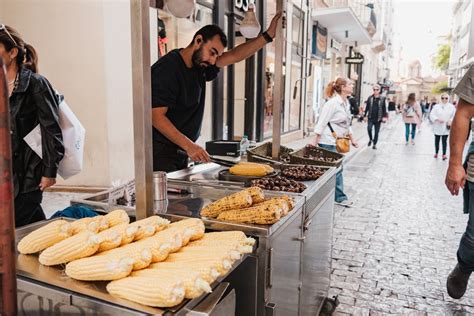
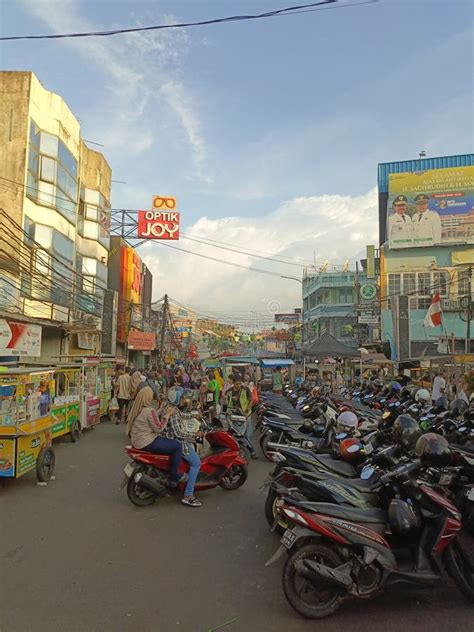
Street food stalls are often the heart of a local culinary scene and offer some of the most authentic experiences. Look for stalls with steady queues, especially those where ingredients are visibly fresh and cooked to order. Observe the vendors: do they seem passionate about their craft? Do they specialize in just one or two dishes? A vendor who has perfected a single item often delivers an unparalleled taste experience. Trust your gut – if a stall looks clean and the food is flying off the griddle, it’s probably a winner.
Finding authentic eats is an art, not a science. It requires curiosity, a willingness to step off the beaten path, and an open mind. By honing your visual senses and paying attention to these cues, you’ll not only discover incredible flavors but also forge deeper connections with the culture you’re exploring. So, next time you’re on a food adventure, let your eyes lead the way – they might just guide you to your next unforgettable meal.