



How can ‘Visual Bites’ genuinely convey a dish’s ‘real food’ story beyond just plating?
The Superficial Allure vs. The Substantive Narrative
In the fast-paced world of digital content, ‘Visual Bites’ – short, engaging culinary snippets – have become paramount. Often, the focus gravitates towards immaculate plating, dazzling garnishes, and the immediate aesthetic appeal of a finished dish. While these elements are undoubtedly crucial for initial attraction, they frequently fall short in conveying the deeper, more authentic narrative that defines ‘real food’. The challenge lies in moving beyond surface-level beauty to tell a comprehensive story that resonates with conscious consumers.
A dish, at its heart, is more than just ingredients combined; it’s a culmination of effort, origin, technique, and often, heritage. The true ‘real food’ story encompasses the journey of each component, the philosophy behind its preparation, and the hands that brought it to life. How can ‘Visual Bites’ effectively capture and communicate this intricate tapestry, offering substance that transcends mere visual pleasure?
Deconstructing the ‘Real Food’ Narrative
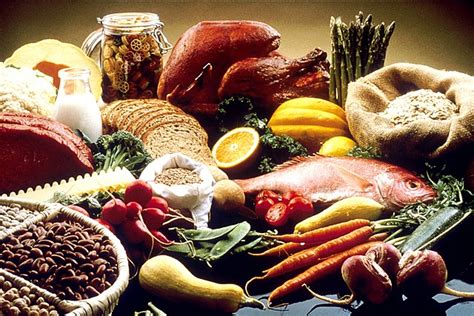
To genuinely convey a dish’s ‘real food’ story, we must first understand its constituent parts. It’s about transparency and authenticity. This isn’t just about organic labels; it’s about showcasing the vibrancy of a freshly picked tomato, the marbling on ethically raised meat, or the unique texture of hand-kneaded pasta. It’s about connecting the viewer to the tangible qualities that speak volumes about quality and care, long before the dish is even assembled.
The narrative extends to the provenance of ingredients – where they come from, how they were grown or raised, and the ethical practices involved. It also includes the culinary craftsmanship – the techniques, the time-honored methods, and the chef’s personal touch. A true ‘real food’ story builds a bridge between the consumer and the often-invisible efforts that culminate in a memorable meal.
Visualizing the Journey: From Source to Plate
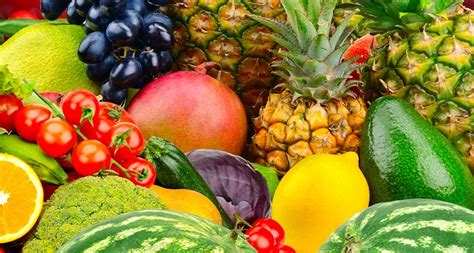
One powerful way to deepen a ‘Visual Bite’ is to shift the lens backward in the food journey. Instead of starting with the plated dish, begin with its foundational elements. Showcase raw, unadulterated ingredients: close-ups of earthy root vegetables, glistening fresh herbs, or vibrant seasonal fruits. These visuals immediately convey freshness, quality, and a connection to nature, setting the stage for the story to unfold.
Furthermore, capturing the process of transformation is key. A brief sequence showing hands kneading dough, vegetables being expertly chopped, or a sauce slowly simmering conveys the labor, skill, and love invested. These aren’t just steps in a recipe; they are moments of creation, each a testament to the dish’s authenticity. Such glimpses invite viewers into the kitchen, fostering a deeper appreciation for the culinary art.
People, Place, and Passion
The ‘real food’ story is intrinsically linked to people and place. Visual Bites can transport viewers to the farm where the produce was grown, highlighting the dedicated farmers, their sustainable practices, and the unique terroir that influences flavor. Similarly, showcasing the artisan baker, the cheese maker, or the local fisherman adds a human dimension that builds trust and connection. These faces and landscapes imbue the food with personality and a sense of origin.
Equally important is capturing the passion of the chef or cook. A candid shot of a chef tasting, adjusting, or meticulously arranging components reveals their dedication and expertise. These are not just meals; they are expressions of creativity and care. By including these human elements, Visual Bites transcend mere food display, becoming windows into a world of culinary craftsmanship and heartfelt commitment.
![500+ Chef Pictures [HD] | Download Free Images on Unsplash](/images/aHR0cHM6Ly90czQubW0uYmluZy5uZXQvdGg/aWQ9T0lQLjlFWDU2RjBKZ3VBaGtDcFBPTHhXalFIYUU3JnBpZD0xNS4x.webp)
Techniques for Authentic Visual Bites
To achieve this deeper storytelling, content creators should embrace diverse visual techniques. Short video clips, time-lapses, and sequential photography can be incredibly effective. A time-lapse of dough rising or vegetables caramelizing adds dynamic interest and illustrates process. Candid, un-staged shots, often utilizing natural light, can feel more authentic and less performative than overly polished studio images. Focus on textures, steam, and the subtle imperfections that speak of genuine craft rather than mass production.
Incorporating elements like a chef’s notes, a glimpse of a traditional cooking tool, or a quick shot of ingredients being sourced from a local market can add layers of narrative depth within a concise format. The goal is to evoke emotion and curiosity, prompting viewers to ask not just ‘what is this?’, but ‘where does it come from?’ and ‘how was it made?’
The Impact of Deep Visual Storytelling
By genuinely conveying a dish’s ‘real food’ story through Visual Bites, brands and creators can build stronger connections with their audience. This approach fosters transparency, educates consumers about sustainable practices, and elevates appreciation for the culinary arts. It moves beyond fleeting trends to establish enduring value, encouraging mindful eating and supporting ethical food systems. When consumers understand the journey, the effort, and the people behind their food, their connection to it deepens significantly.
Ultimately, ‘Visual Bites’ have the power to transform from mere aesthetic treats into powerful narrative tools. By consciously choosing to highlight origin, process, and the human element, we can unlock the full potential of visual communication to tell compelling, authentic ‘real food’ stories that resonate deeply and create lasting impact, far beyond the initial glance at a perfectly plated dish.