



Quick & healthy real food meals: How to make them stunning for visual feeds?
In today’s visually-driven world, a meal isn’t just about taste and nutrition; it’s an experience to be seen and shared. Whether you’re a food blogger, a health enthusiast, or simply someone who loves sharing their culinary creations, making your quick and healthy real food meals look as good as they taste can significantly enhance their appeal and inspire others. Fortunately, you don’t need professional photography skills or expensive equipment to create stunning food visuals.
Beyond the Plate: Why Presentation Matters
Eating with our eyes is a fundamental part of the dining experience. A beautifully presented dish not only whets the appetite but also communicates care and creativity. For quick and healthy meals, an attractive presentation can elevate simple ingredients, making them feel more gourmet and desirable. On social media, visually striking food commands attention, encouraging engagement and sharing. It’s about telling a story before the first bite, proving that healthy can be incredibly appealing.
Mastering the Basics: Lighting & Angles
Natural Light is Your Best Friend
The single most important factor in food photography is good lighting. Natural, diffused light is ideal. Position your food near a window, but avoid direct sunlight, which can create harsh shadows. If the light is too strong, use a sheer curtain or a white sheet to diffuse it. This gentle illumination will highlight textures and colors, making your food look fresh and inviting.
Experiment with Angles
Different dishes call for different angles. An overhead shot (flat lay) works wonderfully for bowls, pizzas, and dishes with many components, showcasing the entire composition. A 45-degree angle is versatile for most plated meals, offering a natural perspective. Close-ups can highlight specific textures or ingredients, adding an intimate feel. Don’t be afraid to try multiple angles to see what best captures your meal’s essence.
Plating Perfection: The Art of Arrangement
Choose the Right Canvas
Your plate is the canvas for your culinary artwork. Opt for simple, neutral-colored plates (white, cream, or matte black) that allow your food’s colors to pop. Consider the size – don’t overcrowd a small plate, but also avoid making a small portion look lonely on a large one. Textured ceramics or rustic wooden boards can add character.
Create Balance and Harmony
Think about the rule of thirds in photography; apply a similar principle to your plating. Don’t just dump food in the center. Arrange components thoughtfully, creating visual interest. Use odd numbers for garnishes or small elements, as they tend to be more visually appealing. Leave a little negative space around your food to give it room to breathe and highlight its shape.
Color and Texture Contrast
Healthy meals are often packed with natural colors. Maximize this! Arrange ingredients to create contrasting colors and textures. A vibrant green from herbs against a creamy white sauce, or the crunch of nuts next to soft roasted vegetables, makes for a more dynamic and appetizing image.
The Power of Garnishes & Toppings
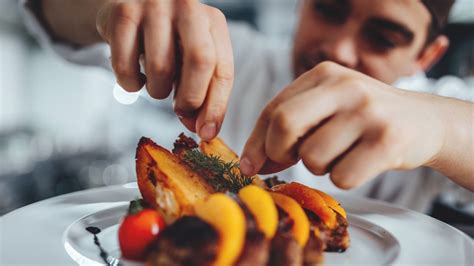
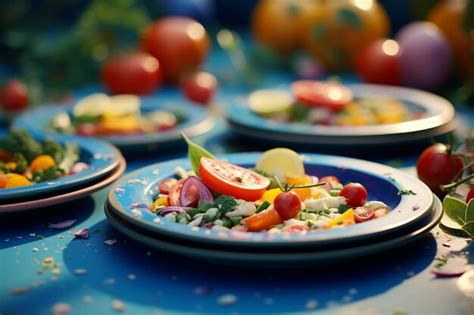
Garnishes are the jewelry of your meal. They add freshness, color, and a professional touch. Think beyond just a sprig of parsley. Fresh herbs like cilantro, basil, or dill can instantly brighten a dish. A sprinkle of sesame seeds, chili flakes, or a drizzle of a contrasting sauce (like balsamic glaze or a vibrant pesto) can add visual depth. Edible flowers or a lemon wedge can provide a pop of unexpected color and elegance. These small additions make a huge difference in visual appeal.

Strategic Props & Backdrops
While the food is the star, thoughtful props can enhance the narrative without distracting from the main subject. Consider rustic linen napkins, simple cutlery, a cutting board, or a small glass of water. A textured wooden table, a simple placemat, or even a plain wall can serve as an excellent backdrop. Keep props minimal and choose items that complement, rather than compete with, your meal. The goal is to create a cohesive, inviting scene.
Composition and Storytelling
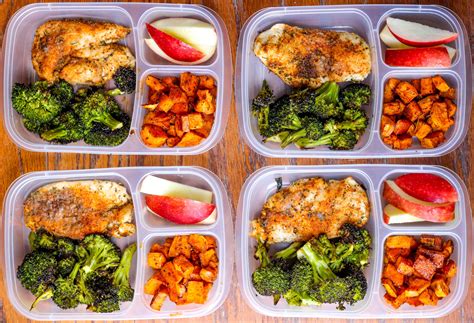
Think about what story you want your food photo to tell. Is it a cozy breakfast, a refreshing lunch, or a hearty dinner? Use elements to reinforce that story. Arrange ingredients as if they’ve just been put together, creating a sense of naturalness. Utilize depth of field (blurry background, sharp foreground) to make your dish pop. Sometimes, a strategically placed hand holding a fork can add a human element and a sense of immediacy.
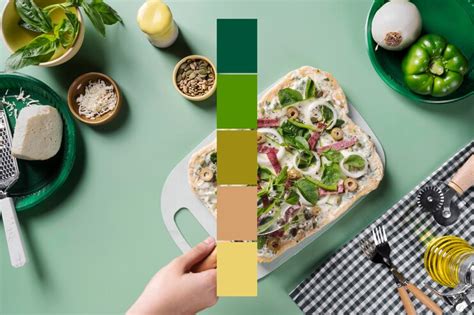
Transforming your quick and healthy real food meals into stunning visual feasts is a rewarding endeavor. It’s an opportunity to express your creativity and inspire others to embrace healthier eating with flair. By paying attention to lighting, thoughtful plating, strategic garnishes, and complementary props, you can elevate your everyday meals into Instagram-worthy masterpieces. Experiment, have fun, and let your delicious creations shine!