




Recipe tweak: How to enhance natural ingredient colors for camera-ready dishes?
The Art of Visual Appeal: Why Color Matters
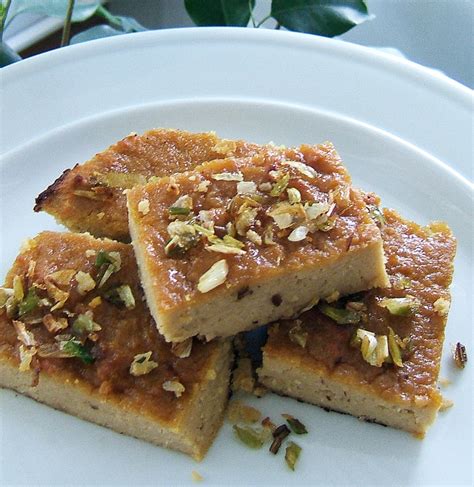
In the age of social media and food blogging, a dish’s visual appeal is almost as crucial as its taste. Vibrant, natural colors can make a simple meal look gourmet and irresistible. But how do you ensure your ingredients retain and even enhance their stunning hues from market to plate? It’s not just about filters; it’s about smart cooking techniques that celebrate nature’s palette.
Understanding the science behind food pigments and employing a few culinary tricks can transform your everyday cooking into a feast for the eyes, perfect for that camera-ready shot.
Starting Strong: Ingredient Selection and Preparation
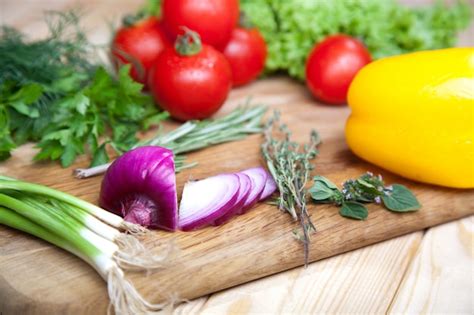
The foundation of a colorful dish begins long before it hits the pan. Selecting the freshest, most vibrant ingredients is paramount. Look for produce with deep, uniform colors – bright green spinach, rich red peppers, and intensely orange carrots signal peak ripeness and nutrient content.
Once you have your ingredients, proper handling is key. Store them correctly to prevent premature fading. For many vegetables, a quick blanching can lock in and intensify their color. Submerging greens like broccoli or green beans in boiling water for a minute or two, then immediately plunging them into an ice bath, halts the cooking process and preserves chlorophyll, resulting in a brighter green.
Cooking Methods That Preserve and Enhance Color
The way you cook has a profound impact on the final color of your food. Overcooking is a primary culprit for dull, muted dishes. Gentle cooking methods are often best for maintaining vibrant hues.
Sautéing vs. Boiling
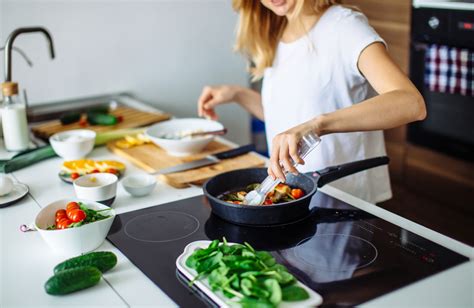
Sautéing or stir-frying vegetables quickly with a small amount of fat can preserve their crunch and color much better than boiling them for extended periods, which can leach out pigments and nutrients. Steaming is another excellent option for retaining bright colors and textures.
The Magic of Acid and Alkalinity
A touch of acid, like a squeeze of lemon juice or a splash of vinegar, can brighten red and purple pigments (anthocyanins) found in foods like red cabbage or berries. Conversely, a pinch of baking soda (alkaline) can make green vegetables even greener, though use sparingly as it can also make them mushy and alter nutrients.

Harnessing Natural Color Boosters
Certain spices and ingredients are natural color powerhouses. Turmeric adds a golden glow, paprika deepens reds, and saffron offers an exquisite yellow. Beetroot powder can imbue a vibrant pink or red, while spirulina can create a striking blue-green. Incorporate these thoughtfully to enhance, not overpower, your dish’s natural beauty.

Finishing Touches: Garnishes for a Pop of Color
Even after cooking, you can dramatically improve your dish’s visual appeal with strategic garnishing. Fresh herbs like parsley, cilantro, or mint provide a lively burst of green. A sprinkle of finely grated citrus zest (lemon, lime, or orange) adds not only a fresh aroma but also a vibrant speckle of color.
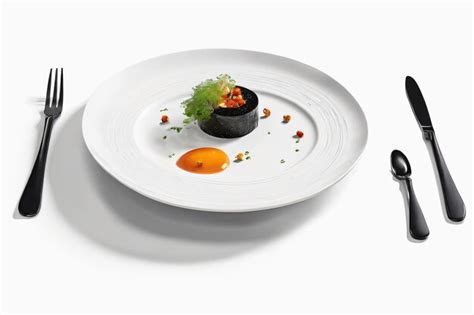
Edible flowers, microgreens, or even a drizzle of a brightly colored sauce (like a red pepper coulis or a green pesto) can elevate a dish from appealing to truly stunning. Think about contrast: a sprinkle of finely chopped red bell pepper on a green soup, or a few purple onion rings on a white plate.
Conclusion: Cook with Color in Mind
Achieving camera-ready dishes isn’t just for professional chefs; it’s an attainable goal for any home cook with a few smart techniques. By focusing on fresh, high-quality ingredients, employing color-preserving cooking methods, and adding thoughtful finishing touches, you can naturally enhance the vibrancy of your meals. Embrace the spectrum of natural colors, and your dishes will not only taste incredible but also look absolutely irresistible.