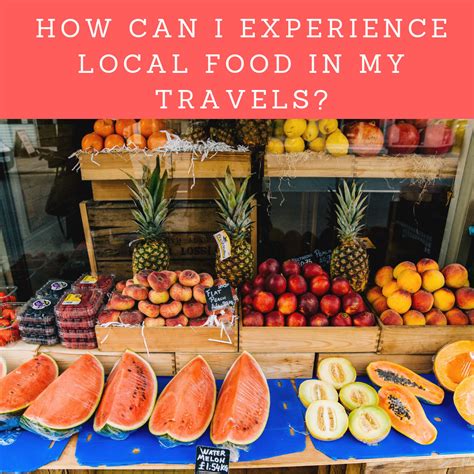





How do you visually identify truly authentic street food gems on a food adventure?

Embarking on a street food adventure is one of the most exciting ways to immerse yourself in a new culture. The vibrant sights, the intoxicating aromas, and the symphony of sizzling and chopping create an irresistible allure. However, with so many options, how do you visually discern the truly authentic gems from the merely average, or worse, unhygienic?
Follow the Crowd, But Observe Closely
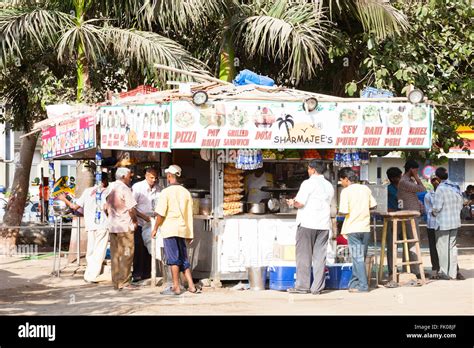
One of the oldest tricks in the book is to look for stalls with long lines. Locals rarely queue for bad food, and a consistent stream of customers often indicates a beloved spot. However, don’t just follow blindly; observe the crowd itself. Is it predominantly locals, or mostly other tourists? While tourist-friendly stalls aren’t inherently bad, local patronage is a stronger indicator of authenticity and traditional flavors.
Furthermore, pay attention to the pace of the line. A fast-moving line suggests efficiency and high demand, meaning ingredients are frequently replenished and food isn’t sitting around for too long. A slow, disorganized line might hint at inefficiency, but if everyone is still patiently waiting, it could be for a truly exceptional dish.
The Vendor’s Vibe and Dedication
Observe the vendors themselves. Are they focused and passionate about their craft? Authentic street food vendors often take immense pride in their dishes, sometimes having perfected a single recipe over generations. Watch how they interact with the food – are they handling ingredients with care, meticulously assembling dishes, and maintaining a steady, practiced rhythm?
A vendor who looks genuinely happy and engaged, perhaps even sharing a laugh with regular customers, is often a good sign. This personal touch not only enhances the experience but also suggests a commitment to quality that keeps people coming back. Look for signs of expertise and confidence in their movements.
Cleanliness and Organization (Relative to Street Standards)
While street food environments are inherently bustling and can appear chaotic, there’s a difference between organized chaos and outright neglect. A truly authentic and reliable stall will still prioritize a certain level of cleanliness. Look for:
- Fresh Ingredients: Are ingredients stored properly and looking fresh, vibrant, and appealing? Avoid stalls where produce looks wilted or meats appear discolored.
- Clean Cooking Surfaces: While a griddle might be seasoned and dark, it should still appear free of excessive grease build-up from previous days. Utensils should be regularly cleaned or exchanged.
- Waste Management: Are waste bins accessible and emptied regularly? Is the area around the stall relatively clear of discarded packaging and food scraps?
- Vendor Hygiene: Do the vendors themselves appear clean, perhaps wearing aprons or head coverings? While not always a deal-breaker, it’s a positive indicator.
Remember, ‘clean’ in a street food context is often relative. Don’t expect a pristine restaurant kitchen, but look for a genuine effort to maintain hygiene within their operating parameters.
Specialization and a Limited Menu
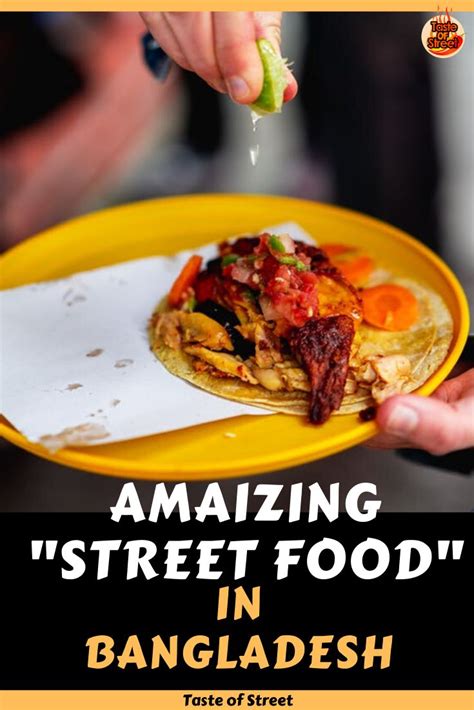
Often, the best street food stalls specialize in just a few dishes, or even just one. A stall attempting to offer an extensive menu of diverse cuisines can be a red flag. True mastery often comes from focusing on perfecting a select number of items. When a vendor has honed their craft on one or two signature dishes, you can be more confident in the quality and authenticity of what you’re getting.
A limited menu allows vendors to streamline their ingredient sourcing, preparation, and cooking processes, leading to consistent quality and often, fresher components. It’s a sign of confidence in their specialty.

The Sights, Sounds, and Smells of Cooking
Engage all your senses, not just sight. The aroma wafting from a stall can be incredibly inviting and tell you a lot. A pleasant, fresh cooking smell is a great sign. Avoid anything that smells stale, overly greasy, or simply ‘off.’
Watch the cooking process unfold. Is the food being cooked fresh to order, or is it sitting around under heat lamps? The sizzle of a wok, the crackle of frying, or the rhythmic chopping of ingredients are all positive indicators of fresh preparation and a vibrant, active kitchen.
Trust Your Gut and Local Wisdom
Ultimately, a significant part of identifying authentic street food gems comes down to intuition and observation. Combine these visual cues with a bit of local research. Don’t be afraid to ask locals for recommendations – they are often the best guides to hidden culinary treasures. With practice, your ‘foodie radar’ will become finely tuned, leading you to unforgettable street food experiences.