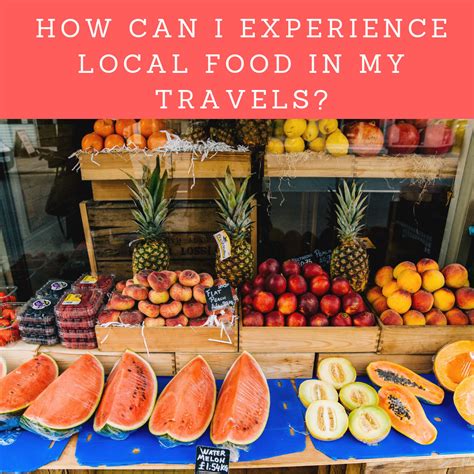





How do real foodies capture authentic local eats for killer visuals?

The world of food photography goes beyond perfectly plated dishes; it’s about capturing the soul of a place through its local eats. True food enthusiasts don’t just eat; they document, tell stories, and inspire wanderlust with their killer visuals. But how do they consistently nail those authentic, mouth-watering shots that transport viewers straight to a bustling street market or a cozy trattoria?
The Quest for Genuine Flavors
It all begins with discovery. Real foodies aren’t relying on tourist traps. They dive deep into local culture, asking residents for recommendations, exploring off-the-beaten-path neighborhoods, and even trusting their noses. The goal is to find establishments where food is a way of life, not just a commodity. This means street food vendors, hidden family-run restaurants, and bustling local markets are prime targets.
Authenticity extends to the dish itself. Look for food prepared with traditional methods, fresh local ingredients, and served in its natural environment. The visual appeal often comes from the raw, unpolished honesty of the experience, rather than artificial perfection.

Mastering the Environment: Light and Setting
The first rule of food photography is good light. Natural light is almost always superior. Seek out window seats, outdoor tables, or shaded spots that offer soft, diffused lighting. Avoid harsh overhead lighting or direct flash, which can flatten the food and create unflattering shadows.
Pay attention to the background. While the focus is the food, the surroundings add crucial context. A blurred background showing hints of the restaurant’s decor, a bustling street scene, or the hands of a chef can significantly enhance the narrative. Clear clutter, but don’t sterilize the scene completely; a bit of authentic mess can add character.
Composition: Framing the Culinary Story
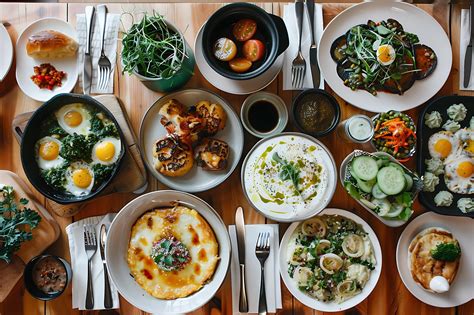
Composition is key to making food look irresistible. Experiment with different angles. A straight-down “flat lay” works well for an array of dishes, showcasing variety. Eye-level shots can capture the texture and layers of a single dish, making it feel more approachable. A slightly elevated angle can provide depth while still showing the top.
Use the rule of thirds to place your main subject off-center, creating a more dynamic and interesting image. Look for leading lines within the dish or plating that draw the viewer’s eye. Don’t be afraid to get close to highlight intricate details, or pull back to show the dish in its full environmental context.
Capturing the Essence: Details and Action
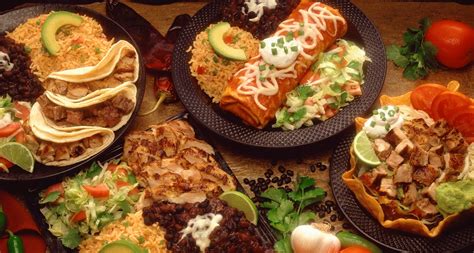
Beyond static shots, real foodies capture the “essence” of the meal. This includes textures – the glistening sauce, the crispy crust, the steam rising from a hot dish. Don’t hesitate to get close-ups that emphasize these sensory details.
Action shots can bring food to life: a hand reaching for a piece of bread, chopsticks poised over noodles, a chef sprinkling herbs. These moments convey the human element and the immediacy of the experience. Consider capturing the process of preparation if possible, as it adds another layer of authenticity.

Post-Processing and Sharing with Impact
Even the best raw photos can benefit from a little polish. Use mobile editing apps (like Snapseed, Lightroom Mobile, or VSCO) to subtly enhance your images. Adjust brightness, contrast, and saturation to make colors pop naturally. A touch of sharpening can bring out textures, but avoid over-editing, which can make food look artificial.
When sharing, provide context. A killer visual combined with a compelling caption about the dish’s origin, the restaurant’s story, or the unique ingredients elevates the entire experience. Hashtags help others discover your culinary adventures, connecting you with a wider community of food lovers.
Conclusion: More Than Just a Pretty Plate
Capturing authentic local eats for killer visuals is an art form that combines discovery, technical skill, and storytelling. It’s about respecting the food, its origins, and the people who make it. By focusing on genuine experiences, mastering light and composition, and embracing the human element, foodies can create images that not only look delicious but also resonate with the heart and soul of culinary travel. So next time you embark on a food adventure, remember to look beyond the surface and capture the true spirit of the local plate.