




Best visual cues for perfectly caramelized onions without burning?

The Sweet Science of Caramelization
Caramelized onions are a culinary marvel, transforming humble alliums into sweet, savory, and deeply flavorful additions to countless dishes. From French onion soup to gourmet burgers and elegant tarts, their magic lies in a slow, patient cooking process that coaxes out natural sugars and complex aromas. However, the line between perfectly golden-brown and disappointingly burnt is perilously thin. Mastering this technique requires keen observation and an understanding of the visual cues that guide you to perfection.
Caramelization is a non-enzymatic browning reaction that occurs when sugars are heated above their melting point, leading to a cascade of chemical changes that create new flavors and aromas. In onions, this means breaking down complex carbohydrates into simpler sugars, which then caramelize. The key is slow heat, allowing the onions to soften, release their moisture, and gradually develop color and flavor.
Preparation and Initial Stages
Choosing Your Onions and Slicing
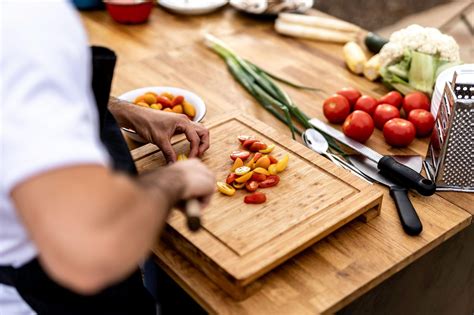
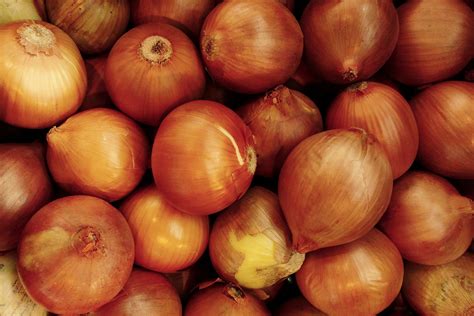
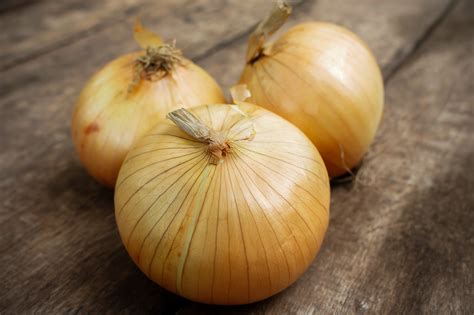
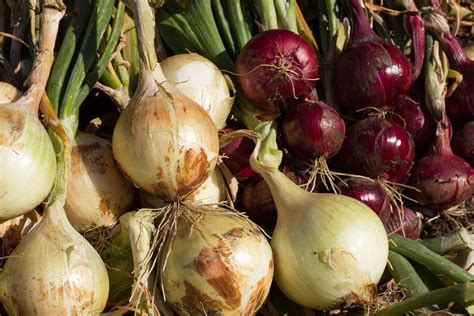
While most onions can be caramelized, yellow onions are often preferred for their balanced sugar content. Slice them uniformly – about 1/4 inch thick – to ensure even cooking. Irregularly sized pieces will cook at different rates, leading to some burning before others are fully caramelized.
Starting Strong: Heat and Fat
Begin with a large, heavy-bottomed pan or Dutch oven over medium-low to medium heat. A pan that is too small will overcrowd the onions, causing them to steam rather than brown. Add a generous amount of fat – a combination of olive oil and butter works beautifully, with the butter adding flavor and aiding in browning, and the oil raising the smoke point. Once the fat is shimmering, add your sliced onions. It might seem like a lot, but they will shrink considerably.
The Journey of Color: Key Visual Cues
This is where patience becomes your greatest virtue. Caramelizing onions is a marathon, not a sprint. The process typically takes 30-60 minutes, sometimes longer, depending on the quantity and desired depth of flavor. Watch for these distinct stages:
Stage 1: Translucent and Soft (10-15 minutes)
Initially, the onions will look opaque and crisp. As they cook, they’ll soften, release moisture, and become translucent. They’ll appear pale white or light yellow. During this phase, stir frequently to ensure even cooking and prevent sticking. The goal here is to soften the onions thoroughly without developing much color yet.
Stage 2: Light Golden and Wilted (15-30 minutes)
As more moisture evaporates and the natural sugars begin to break down, the onions will start to take on a light golden hue. They will have significantly reduced in volume and will be very soft and wilted. The aroma will change from pungent to subtly sweet. Continue to stir regularly, scraping the bottom of the pan to prevent any sticking, which could lead to burning.
Stage 3: Deep Amber to Rich Brown (30-60+ minutes)
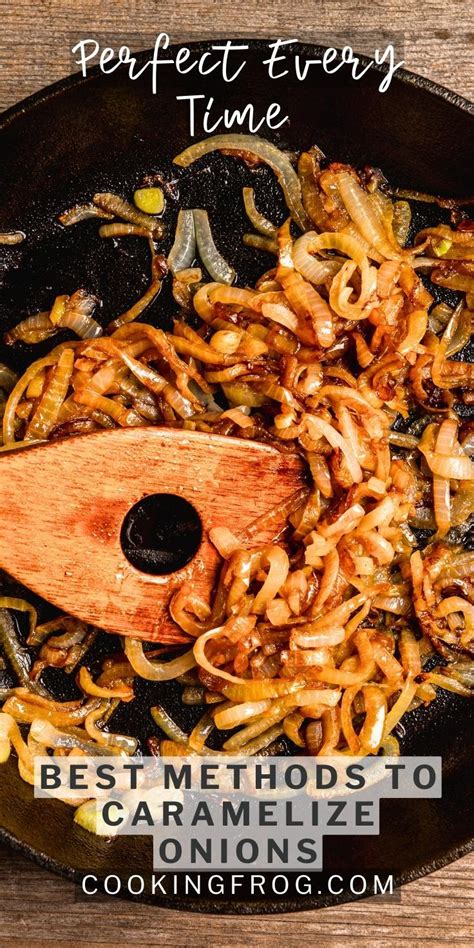
This is the critical stage for achieving that coveted deep caramelization. The onions will transition from golden to a rich amber, then to a beautiful, deep reddish-brown. The volume will have reduced by about three-quarters. The aroma will be intensely sweet and nutty, almost savory. The key visual cues here are:
- Uniform Color: Look for an even, deep brown color across all the onion pieces. There shouldn’t be any stark white bits remaining.
- Glossy Sheen: Perfectly caramelized onions will have a beautiful, glossy, almost jammy appearance due to the concentrated sugars.
- Soft and Tender Texture: They should be incredibly tender, melting in your mouth without any residual crunch or raw onion texture.
- “Fond” Development: A dark brown glaze (fond) will develop on the bottom of the pan. This is highly concentrated flavor. If it gets too dark, deglaze with a splash of water, wine, or broth to scrape it up and incorporate it back into the onions. This prevents burning and adds layers of flavor.
Avoiding the Burn: Crucial Tips
Burning is usually a result of impatient heat or insufficient stirring. Here’s how to prevent it:
- Low and Slow is Key: Resist the urge to crank up the heat. Medium-low is your friend. Higher heat will brown the outside before the inside has time to soften and release sugars, leading to a bitter, burnt taste.
- Consistent Stirring: Especially in the later stages, stir every few minutes, ensuring no single spot on the onions or the pan bottom gets too hot.
- Deglaze as Needed: If you see dark spots forming on the bottom of the pan that look like they’re about to burn, add a tablespoon or two of water, broth, or wine. Scrape up the fond with a wooden spoon; this liquid will quickly evaporate, leaving all that flavor infused into your onions.
- Watch for Black Spots: Any black specks are a sign of burning. While a few isolated ones won’t ruin the batch, widespread blackening will impart a bitter flavor that’s hard to mask.
When Are They Done?
The ‘perfect’ point is subjective, but generally, you’re looking for that deep reddish-brown color, significantly reduced volume, and a sweet, complex aroma that fills your kitchen. If you’re unsure, taste a piece. It should be melt-in-your-mouth tender, sweet, and savory, with no hint of raw onion bite. If it tastes bitter, it’s likely overcooked.
Troubleshooting Common Issues
- Onions Aren’t Browning: Your heat might be too low, or there’s too much moisture. Increase the heat slightly, or allow more moisture to evaporate.
- Onions are Burning but Not Browning: This is often due to too high heat. Reduce the heat immediately and deglaze if there’s significant fond.
- Uneven Browning: Ensure uniform slicing and consistent stirring.

Conclusion
Caramelizing onions is a fundamental culinary skill that rewards patience and observation. By understanding the visual progression from translucent to light golden, then to a rich, deep amber-brown, and by employing the simple techniques of low heat, regular stirring, and occasional deglazing, you can consistently achieve perfectly sweet, savory, and unburnt caramelized onions. Trust your eyes and your nose, and you’ll master this delicious transformation every time.