




What are your top visual cues for spotting truly authentic local food adventures?

Decoding Local Authenticity Through Sight
For any true food adventurer, the quest for authentic local cuisine is paramount. We don’t just want a meal; we want an experience, a taste of the culture, and a story to tell. But how do you cut through the tourist traps and find those hidden gems where locals truly gather? Often, the most reliable clues aren’t found in guidebooks but are right before your eyes. By sharpening your observation skills, you can become a master at spotting the real deal.
The Unmistakable Presence of Locals
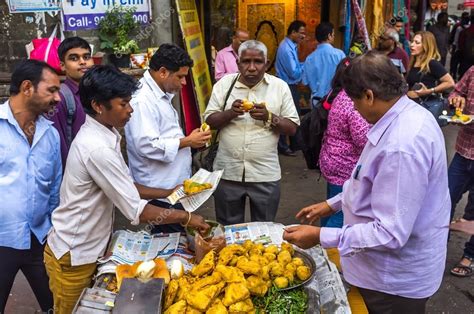
This is perhaps the most obvious, yet most overlooked, visual cue. If a restaurant or food stall is bustling predominantly with locals – especially multi-generational families, workers on their lunch break, or elderly residents – you’re likely on the right track. Locals know where the good food is and are discerning customers. Pay attention to the demographics; a place full of tourists with cameras often signifies a tourist-centric menu and prices.
Another layer to this cue is the language being spoken. While not strictly visual, the sound of local chatter confirms the visual observation. If the staff seem genuinely surprised (and pleased) to see you, a foreigner, it’s a strong positive indicator.
Simplicity and Specialization
Authentic local eateries rarely boast lavish decor or extensive, laminated menus with glossy pictures. Instead, look for simplicity: worn tables, mismatched chairs, perhaps a handwritten menu (or no menu at all, just a daily special). A sign of true mastery often lies in specialization. If a place offers only a handful of dishes, or is famous for just one or two, it suggests they’ve perfected those offerings over years, if not decades. They focus on quality and tradition, not quantity and variety to please every palate.
The Open Kitchen and Freshness Factor
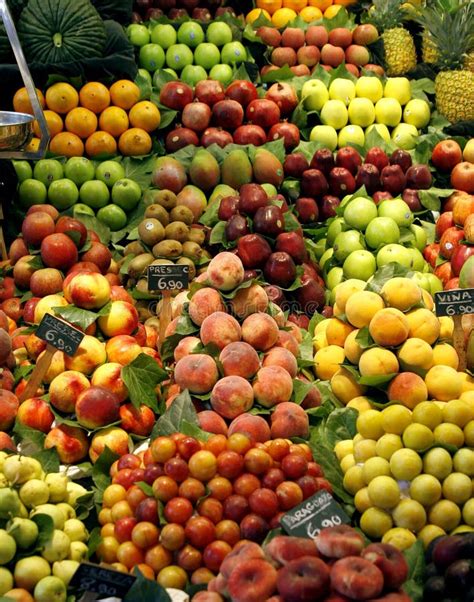
A visible kitchen or food preparation area is a fantastic visual cue. Watching cooks prepare your meal from scratch, often using fresh, raw ingredients displayed prominently, builds confidence. See the vibrant colors of fresh vegetables, the sizzle of meat on a grill, or the deft hands kneading dough. This transparency not only assures you of hygiene but also signals a commitment to quality and the use of seasonal produce. The aroma is also a powerful, albeit non-visual, accompanying cue.
The Queue: A Double-Edged Sword
A long line outside an establishment can be both a blessing and a curse. While it often signifies popularity and delicious food, it’s crucial to identify who is queuing. Is it a mix of nationalities, or primarily locals patiently waiting for their turn? A queue primarily composed of locals, especially during off-peak hours, is a golden ticket. It implies enduring popularity born from consistent quality, not just hype.
Off-the-Beaten-Path Aesthetic
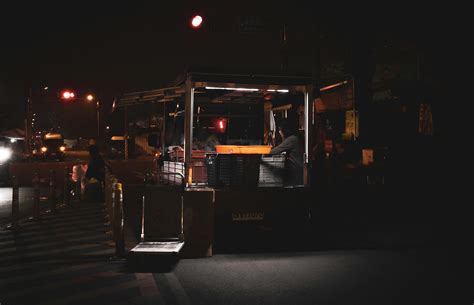
While not a hard and fast rule, many truly authentic spots are nestled away from the main thoroughfares, down a side alley, or in a less-touristed neighborhood. Their external appearance might be unassuming, perhaps even a bit dilapidated. They don’t rely on flashy signage or prime real estate to attract customers; their reputation precedes them, spread by word of mouth among the local populace. Look for establishments that seem to blend seamlessly into the daily life of the area, rather than standing out with tourist-oriented marketing.
Conclusion: Trust Your Eyes, and Your Gut
Ultimately, spotting truly authentic local food adventures is an art developed through practice. By consciously observing who is eating, what the place looks like, how the food is prepared, and where it’s located, you dramatically increase your chances of discovering an unforgettable culinary experience. So, next time you’re exploring a new destination, put down the guidebook for a moment, and let your eyes lead the way to your next great food adventure.