



How to make food colors pop and textures shine for stunning recipe photography?
Capturing Culinary Brilliance: Why Visual Appeal Matters
In the digital age, a recipe is often judged first by its cover. Stunning photography that makes colors pop and textures shine is no longer a luxury but a necessity for captivating audiences and inspiring cooks. Whether you’re a food blogger, a home chef, or a culinary professional, mastering the art of food styling and photography can elevate your dishes from mere sustenance to irresistible works of art.
This guide will walk you through essential techniques to ensure your food photos are as delicious to look at as your recipes are to eat, focusing on enhancing vibrancy and showcasing every delectable detail.
The Magic of Light: Your Foremost Tool
Lighting is arguably the single most critical element in food photography. It dictates mood, reveals detail, and can transform an ordinary dish into something extraordinary. Natural light is often preferred for its soft, even quality, making food look fresh and inviting. Position your setup near a window, ensuring the light comes from the side or slightly behind your subject (backlighting) to create appealing highlights and depth.

If natural light isn’t available or sufficient, artificial continuous lights with diffusers can mimic its effects. Avoid harsh, direct flashes, which can flatten your food and create unwanted reflections. Always use diffusers or softboxes to soften the light, eliminating harsh shadows and creating a more professional look.
Enhancing Color: Making Food Sing
Vibrant colors are incredibly appealing and can instantly make a dish look more appetizing. Start with fresh, high-quality ingredients, as their natural vibrancy is the best foundation. Think about color contrast: pairing complementary colors (like red tomatoes and green basil) can make both stand out. Garnishes play a crucial role—a sprinkle of fresh herbs, a zest of citrus, or a drizzle of a brightly colored sauce can add that extra pop.
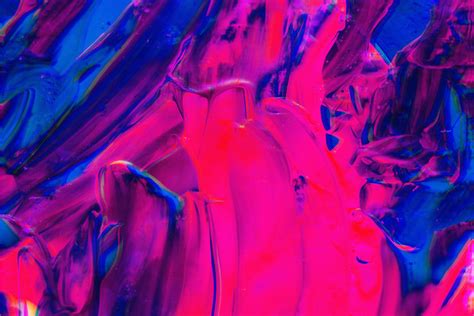
White balance is key in photography; ensure your camera accurately captures the true colors of your food. During post-processing, subtle adjustments to saturation and vibrance can enhance colors without making them look artificial. Remember, the goal is to enhance, not overpower, the natural beauty of the ingredients.
Highlighting Texture: A Feast for the Eyes
Texture is what gives food character and tells its story—the crispy skin of roasted chicken, the fluffy layers of a pastry, the creamy swirl of a soup. To make textures shine, consider your angle and depth of field. Shooting slightly from the side or a low angle can emphasize different layers and surfaces. A shallow depth of field, achieved with a wider aperture, can isolate your main subject and blur the background, drawing attention to specific textures.
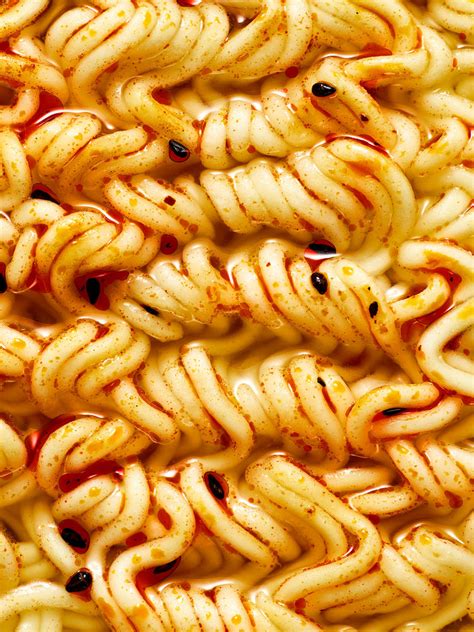
Utilize props strategically. A rustic wooden board can accentuate the crunch of a freshly baked loaf, while a delicate ceramic bowl can highlight the smoothness of a purée. Think about adding elements that suggest texture, like a sprinkle of sea salt on a chocolate chip cookie to emphasize its rough surface, or condensation on a glass for a cold drink.
The Supporting Cast: Props and Backgrounds
Props and backgrounds should complement, not compete with, your food. Choose simple, non-distracting elements that enhance the narrative of your dish. Neutral colors and natural textures for backgrounds (e.g., wood, linen, concrete) tend to work best, allowing your food to be the star. Plates, bowls, and cutlery should fit the style and mood of your dish—rustic for comfort food, elegant for fine dining.
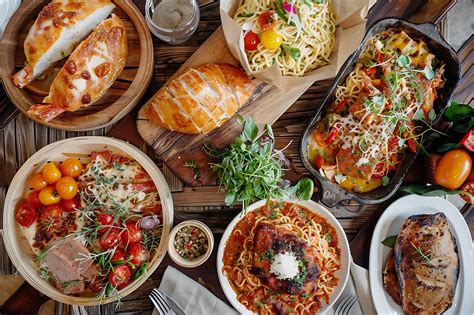
Less is often more when it comes to props. A few well-chosen items that tell a story—perhaps a cutting board and a knife for freshly prepped ingredients, or a fork poised to dig in—can add context and visual interest without cluttering the frame. Ensure all props are clean and free of smudges.
Post-Processing: The Final Polish
Even with perfect lighting and styling, post-processing is where you can truly make your food photos sing. Software like Adobe Lightroom or Photoshop allows for fine-tuning. Key adjustments include correcting exposure and white balance, boosting contrast to add depth, and selectively increasing saturation or vibrance for colors. Sharpening can bring out intricate textures, but use it sparingly to avoid an artificial look.
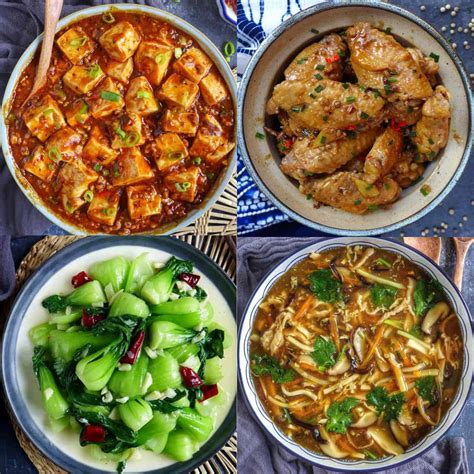
Cropping and straightening are also essential to improve composition. Always aim for a natural, authentic look. The goal of editing is to enhance the beauty that’s already there, making your food look even more appetizing and appealing to anyone scrolling through your recipes.
Conclusion: Practice Makes Perfect
Mastering food photography is an ongoing journey that combines technical skill with artistic vision. By focusing on optimal lighting, enhancing natural colors, accentuating textures, choosing appropriate props, and refining your images in post-processing, you can transform your recipe photography. Experiment, learn from every shot, and most importantly, have fun creating stunning visuals that make your culinary creations truly shine.